Companion Card Australia: Eligibility, Apply, Where to Use

The Companion Card lets a person with significant, permanent disability bring a carer or companion to participating venues and events without paying for a second ticket. State and territory governments issue the card, and every card is recognised across Australia.
Key Points:
- You pay for your ticket, your companion enters free at participating venues
- Issued by each state and territory, recognised nationally
- Eligibility rests on a lifelong need for attendant care support, not income
- NDIS participation does not guarantee approval; the programs are separate
- Free to apply; a health professional must verify your application
What is a Companion Card?
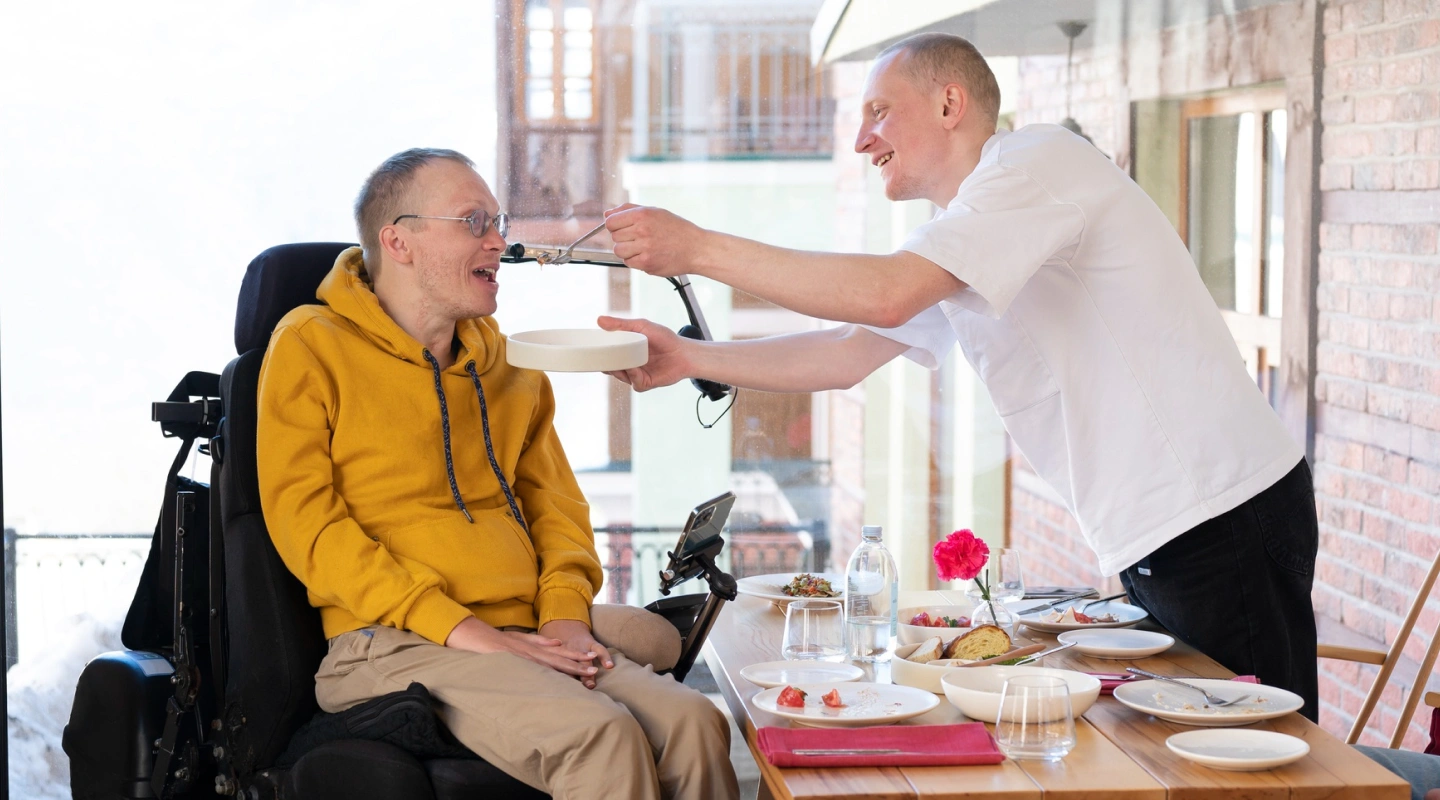
A Companion Card is a nationally recognised card that allows people with significant and permanent disabilities to bring a companion or carer to venues and events free of charge. Instead of paying for two tickets, you pay for one. Your companion gets in free.
The program recognises that some people with disability require attendant care support to participate in community activities, and that the cost of a second ticket should not be a barrier to participation. Thousands of businesses and organisations across Australia accept the Companion Card, including cinemas, sporting venues, theatres, museums, zoos, and public transport services.
Each state and territory runs its own program, and the Australian Government Department of Health, Disability and Ageing coordinates the scheme nationally. A card issued in one state works at participating venues in every other state.
Companion Card Eligibility
Every state and territory applies its own assessment, but the core test is the same everywhere. To be eligible you must:
- Be an Australian citizen or permanent resident living in the state or territory you apply to
- Have a significant and permanent disability
- Need a high level of attendant care support to participate in most community activities
- Have a lifelong need for that support, meaning it will not improve with treatment, training, aids, or development
Check your eligibility: Use the free Companion Card Eligibility Checker to get an early indication for your state or territory, plus official contacts for the next step. It takes about two minutes and is not a formal decision.
The Lifelong Attendant Care Test
This is where most applications succeed or fail. Attendant care support means essential, hands-on assistance with things like mobility, communication, self-care, or planning and decision-making during an outing. Two points matter:
- Aids and technology alone are not enough. If equipment, medication, or training could remove the need for a human support person, you will not qualify.
- Companionship does not count. The card is not for reassurance, social company, or “just in case” support. Your companion must actively help you participate.
Episodic and Fluctuating Conditions
People with conditions that come and go, such as multiple sclerosis, epilepsy, or mental health conditions, can apply, and these applications are assessed case by case. You will need to show that attendant care support is required for most community access, not only during flare-ups, and that treatment and aids alone cannot manage the need.
NDIS Eligibility Does Not Guarantee a Card
The Companion Card and the NDIS are separate programs with separate criteria. Plenty of NDIS participants qualify for a card, but the card program runs its own assessment focused on attendant care needs at community venues. Your NDIS plan can support your evidence, but it does not replace medical reports and it does not guarantee approval.
The program is also not income-tested. Eligibility is based purely on support needs, never on your financial situation.
How to Apply in Each State
You apply through the program in the state or territory where you live. Each program has its own form, contact point, and evidence process.
| State/Territory | Issuing body | Where to apply | Phone | Evidence required |
|---|---|---|---|---|
| NSW | NSW Government (Communities and Justice) | nsw.gov.au Companion Card | 1800 893 044 | Online form, health professional declaration, diagnostic reports, photo |
| Victoria | Dept of Families, Fairness and Housing | companioncard.vic.gov.au | 1800 650 611 | Form Part B completed by your health professional, two signed photos |
| Queensland | Queensland Government | qld.gov.au Companion Card | 13 74 68 | Online form, health professional assessment, photo signed by the professional |
| South Australia | Dept of Human Services SA | sa.gov.au Companion Card | 1800 667 110 | Form signed by a health professional or registered NDIS provider, reports, one photo |
| Western Australia | National Disability Services (for the WA Government) | wacompanioncard.org.au | 1800 617 337 | Form Section 2 verified by a health professional, supporting reports, two photos |
| Tasmania | Tasmanian Government (Service Tasmania) | service.tas.gov.au Companion Card | 1800 009 501 | Application form plus evidence of lifelong attendant care needs |
| ACT | Access Canberra (ACT Government) | act.gov.au Companion Card | 13 22 81 | Health professional confirms lifelong attendant care need and signs two photos |
| Northern Territory | Integrated Disability Action Inc. | ntcompanioncard.org.au | (08) 8948 5400 | Contact IDA for the application form and evidence requirements |
Notes on individual programs:
- NSW moved to online-only applications: postal and email applications stopped being accepted from 1 July 2026, and the program advises current wait times can reach 18 weeks.
- Victoria asks you to allow a minimum of six weeks for assessment.
- WA and the ACT both quote around 20 working days for processing.
- Other programs do not publish firm timeframes; contact them directly if you have an event coming up.
If you live near a border, apply in the state where you live, not where you spend the most time. Your card will still work interstate.
Evidence and Review Process
Whichever state you apply in, the application has the same bones: a section you complete, a section a health professional completes, photos, and supporting evidence.
Who Can Complete the Health Professional Section
Depending on the state, the verifying professional can be a:
- General practitioner or medical specialist
- Occupational therapist or physiotherapist
- Psychologist
- Registered nurse
- Social worker
- Registered NDIS service provider representative (in some states, including SA)
The professional must confirm you have a significant and permanent disability requiring lifelong attendant care support to participate in community activities. Choose someone who knows your condition well and has recent knowledge of your daily support needs.
Supporting Documents That Strengthen an Application
- Diagnostic reports from specialists confirming a permanent disability
- Functional Capacity Assessment reports describing your support needs in daily settings
- Therapy reports from occupational therapists, physiotherapists, or other allied health professionals
- NDIS planning documents, useful context but never a substitute for medical evidence
Be specific about what your companion actually does: the tasks they help with, why you cannot participate without them, and real examples. Applications that describe support needs concretely are assessed faster and decline less often.
If Your Application is Declined
You will receive a letter explaining why. In every state you can:
- Call the program to discuss the decision
- Request a formal review, usually in writing
- Reapply with stronger evidence, particularly recent reports that address the lifelong attendant care test directly
Common reasons for declined applications are insufficient evidence that the need is lifelong, support needs framed as companionship rather than attendant care, and incomplete forms.
Card Expiry and Renewal
Your eligibility is assessed as lifelong, but the physical card carries an expiry date (check the front of your card; NSW, for example, issues cards for five years). Programs typically write to you before expiry with renewal instructions. Renewal is simpler than the first application and usually needs new photos rather than a full reassessment, unless your circumstances have changed.
Where to Use the Card
The Companion Card is accepted at thousands of venues and businesses across Australia, including:
Entertainment and leisure: cinemas (Hoyts, Event, Village, Palace, and independents), theatres, concert venues, museums, galleries, zoos, theme parks, and major sporting venues.
Public transport: trains, buses, ferries, and light rail in most states, with the companion travelling free while the cardholder pays their own fare.
Tourism and recreation: national parks, tourist attractions, swimming pools, aquatic centres, and botanical gardens.
Participation is voluntary, so always look for the Companion Card logo at ticket offices or on venue websites, search your state program’s affiliate directory, or call ahead to confirm. Chain venues can vary site by site.
Before you head out: run your card through the free Companion Card Validity Checker to confirm it is still current and check the venue rules that commonly trip people up, like expiry dates and the cardholder needing to be present.
For a venue-by-venue breakdown in New South Wales, including transport rules and exclusions, see the NSW Companion Card venues guide.
Card vs Other Carer Concessions
The Companion Card sits alongside two other things people often confuse it with: carer concession cards and venue-run companion tickets.
| Companion Card | Carer concession cards | Venue companion tickets | |
|---|---|---|---|
| Who holds it | The person with disability | The carer (for example, a Health Care Card through Carer Allowance) | Nobody; it is a venue policy |
| What you get | Free entry for your companion at participating venues | Discounts on the carer’s own costs, such as medicines and some services | A free or discounted carer ticket at that venue’s discretion |
| Where it works | Affiliated venues Australia-wide | Wherever the concession card is accepted | Only at venues that choose to offer it |
| How to get it | Apply through your state or territory program | Apply through Services Australia | Ask each venue when booking |
The three can stack. A carer with a concession card can still be your free companion under the Companion Card, and a venue with its own companion ticket policy may accept either. If a venue is not a Companion Card affiliate, it is always worth asking whether they offer a companion ticket anyway.
The Companion Card is also separate from the NDIS. You can hold a card and an NDIS plan at the same time; they serve different purposes and one does not affect the other.
Using the Card Interstate
Your Companion Card is recognised nationally. If you are travelling to another state, your card will be accepted at participating venues there under the scheme’s mutual recognition arrangement. You only ever need one card, issued by the state you live in.
Two practical tips for interstate trips:
- Check the destination state’s affiliate directory before you travel. Participation differs venue to venue, and each state program publishes its own list.
- Transport rules differ by state. Free companion travel conditions on trains, buses, and ferries are set by each state’s transport operators, so confirm before relying on them.
If you move interstate permanently, apply for a new card through your new state’s program and keep using your current card at participating venues in the meantime.
Find Support Through Carevo
Navigating disability support systems can be overwhelming. Through Carevo, NDIS participants and their families can connect with professionals who help access all available supports, including:
- Assistance with applications: support coordinators in the network who can help you gather documentation and complete your Companion Card application
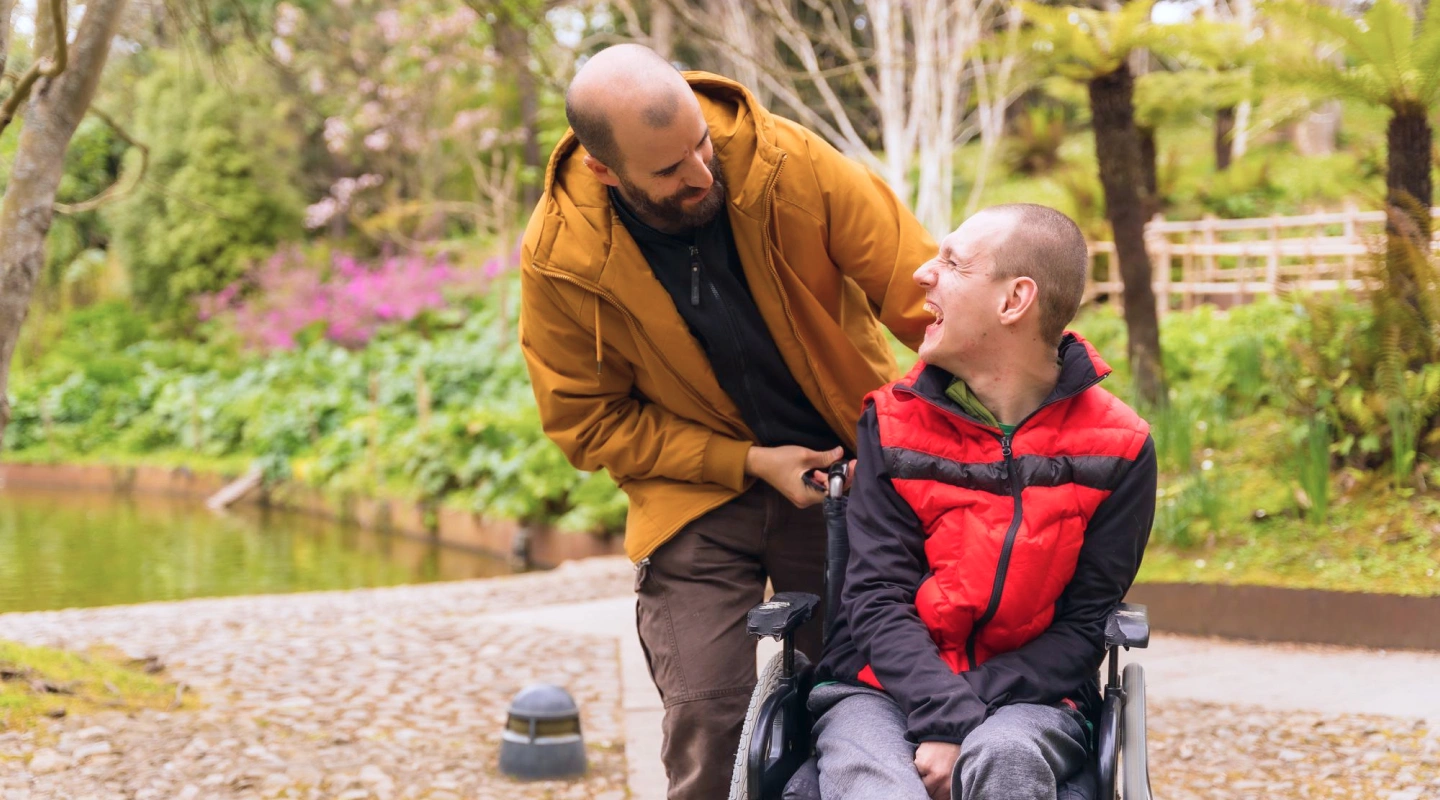
- Support workers for outings: once you have your card, you can browse independent support workers who can accompany you to events and activities
- Community participation support: connect with providers who help you get out and enjoy life, using your Companion Card at venues across Australia
The experienced professionals in the Carevo network understand both the NDIS and complementary programs like the Companion Card, helping you access everything you are entitled to.
Frequently Asked Questions
Can I choose anyone to be my companion?
Yes. Your companion can be anyone: a family member, friend, paid support worker, or carer. The card does not restrict who accompanies you, only that you need someone to accompany you.
Do I need to bring my companion to apply?
No. The application assesses your need for a companion, not a specific person. You apply individually.
Can I use my card for multiple companions?
The card covers one companion per outing. However, the companion can be different each time. It is not linked to a specific person.
Is there a cost to apply?
No. The Companion Card is free to apply for and free to use. Your only likely expense is passport-style photos.
Does NDIS eligibility guarantee a Companion Card?
No. They are separate programs with separate applications. NDIS participants must still apply through their state or territory program and show a lifelong need for attendant care support to access the community.
Can I get a card if my condition fluctuates?
Maybe. Applications for episodic conditions such as multiple sclerosis, epilepsy, or mental health conditions are assessed case by case. You need to show attendant care support is required for most community access and cannot be managed with treatment or aids alone.
Can my carer apply for the card?
No. The card is issued to the person with disability, who then chooses who acts as their companion for each outing. Carers can help fill out the application.
Can children apply for a Companion Card?
Yes, in most states. Parents or guardians complete the application on behalf of children with significant disabilities requiring attendant care support. The need must be lifelong, which can be harder to demonstrate for young children whose independence may develop.
What if I move interstate?
Apply for a new card through your new state or territory program. Cards are recognised nationally at participating venues, so keep using your current card at affiliated venues while you arrange the new one.
Can I use my card overseas?
The Companion Card is an Australian program and is not recognised overseas. Many international venues run their own accessibility or carer ticket programs, so check with specific venues when travelling.
Official Sources
- Companion Card, Department of Health, Disability and Ageing
- NSW Companion Card
- Victorian Companion Card
- Queensland Companion Card
- South Australian Companion Card
- WA Companion Card
- Tasmanian Companion Card
- ACT Companion Card
- NT Companion Card
Need help with your Companion Card application or looking for support workers to accompany you to events? Get matched with the right provider to connect with experienced professionals who can assist.

Co-founder & CEO · Updated
Andre is the co-founder and CEO of Carevo. He holds a Bachelor of Commerce, majoring in Marketing, and a Bachelor of Arts from UNSW Sydney, where his majors were International Relations, Politics, Information Systems, and Media and Communications, graduating in 2014, and went through the UNSW 10x Founders accelerator in 2023.