NDIS Supports That Need a Quote: How Quotable Supports Work

NDIS supports that need a quote include mid-cost assistive technology (items between $1,500 and $15,000), high-cost equipment (over $15,000), and complex home or vehicle modifications. You also need formal quotes for specialised services like high-intensity daily personal activities or custom-made disability supports that do not have a fixed price in the NDIS Pricing Schedule.
The NDIS Provider Network: By the Numbers
Before we dive into the details of quotes, it helps to see how many providers are out there to help. Navigating the NDIS can feel like a big task, but the network of support is vast.
According to Carevo directory data (2026-08-26), the marketplace for care in Australia is more diverse than ever. Here is a breakdown of the current provider network:
| Provider Statistic | Data Point |
|---|---|
| Total active aged care and NDIS providers | 34,600 |
| Providers across Australian suburbs | 8,722 |
| NDIS-registered providers | 30,936 (89.4%) |
| Providers accepting NDIS funding | 28,426 (82.2%) |
| Providers offering therapy & allied health | 11,847 (34.2%) |
| Providers offering personal care | 19,385 (56.0%) |
| Providers offering domestic assistance/cleaning | 19,320 (55.8%) |
Source: Carevo directory data (2026-08-26).
With 28,426 providers accepting NDIS funding, finding someone to give you a quote is easier when you know where to look. Whether you need therapy or home help, most providers are ready to work within the NDIS system.
Core Definition: What NDIS Supports Need a Quote?
When people ask what NDIS supports actually need a quote these days, they are usually looking for the line between “just buy it” and “wait for approval.” Most low-cost items under $1,500 do not need a quote. You can often buy these using your core budget or assistive technology (AT) budget without extra paperwork.
However, mid-cost assistive tech (AT) items, which range from $1,500 to $15,000, almost always require at least one formal quote. If you are looking at high-cost AT over $15,000, you will definitely need a quote and often a report from an allied health professional. Common items that trigger a quote request include power wheelchairs, specialised hospital beds, and complex communication devices.
Which supports always trigger a quote request from NDIS?
- Home Modifications: Any change to your home structure, like a ramp or bathroom refit.
- Vehicle Modifications: Changes to a car so you can drive or travel safely.
- Custom Equipment: Anything made specifically for your body or needs.
- Specialist Disability Accommodation (SDA): This involves complex housing quotes.
- High-Intensity Supports: When a provider needs to offer specialised nursing or care.
Many participants wonder if they need a quote for mid-cost assistive tech. The answer is yes. Even if the item is standard, the NDIS wants to see the price from a provider before they move funds into your plan or approve the spend. This helps them make sure the price is fair and fits the “reasonable and necessary” rule.
How the Quoting Process Works
The way you handle quotes depends on the cost and the type of support. For most mid-cost items, one quote is enough. But for complex things like home mods, the NDIS might ask for two or even three quotes. This is to ensure the plan gets the best value.
What’s the current threshold for when a support officially needs a quote? The main threshold is $1,500. Anything below this is “low-cost” and usually doesn’t need a quote. Anything above this moves into “mid-cost” or “high-cost,” where quotes become a must. Some people are finding that more low-cost items are suddenly requiring quotes from providers, especially if the item is unusual or if the participant has a history of overspending in that category.
If you are dealing with complex supports that don’t have a fixed price, the best way to structure the quote is to be as detailed as possible. Break the quote down into:
- Labor costs: How many hours will the work take?
- Material costs: What parts or equipment are being used?
- Assessment fees: Did a therapist need to spend time measuring or fitting the item?
- Trial costs: Did you need to try the equipment first?
When you use a platform like Carevo, you can find providers who have claimed their listing who understand these rules. Since 18,376 provider profiles (53.1%) have been claimed by the businesses themselves, you can feel more confident that the quote you get is from a professional who knows the NDIS system.
Handling home mods and documentation Many have had trouble getting quotes for home mods approved lately without extra documentation. To avoid this, make sure your quote is paired with a letter from an Occupational Therapist (OT). The OT report explains why you need the change, and the quote explains how much it will cost. Without both, the NDIS will likely send it back.
For custom equipment, don’t just send a total price. Structure the quote so the NDIS can see every part of the build. This stops them from knocking it back for being “too vague.” If the NDIS can’t see what they are paying for, they won’t approve it. Using the Carevo network to find specialised therapy providers (there are 11,847 of them) can help you find an expert to write these vital reports.
Implementation: How to Secure Quotes the NDIS Will Approve
Getting a quote approved isn’t just about the price; it’s about showing the NDIS that the support is the right fit for your life. If you are an operator or a participant, following a clear path helps avoid the “request for more information” loop that slows everything down.
1. Determine the cost category early Before you call a provider, check if the item is likely to cost more than $1,500. If it is under this amount, you usually don’t need a formal quote. However, mid-cost assistive tech (between $1,500 and $15,000) and high-cost items (over $15,000) require a formal quote. Some people are finding that even lower-cost items are being questioned, so having a simple price list or screenshot ready is a smart prevention strategy.
2. Find the right provider for the job With Carevo directory data (2026-08-26) showing 30,936 NDIS-registered providers, you have plenty of options. If you need personal care, you can choose from 19,385 providers. If you need home mods, you should look for providers with specific experience in construction and NDIS compliance. Using Carevo to filter for providers who have claimed their listing (48.1% of the network) helps you find businesses that already know how to format their quotes for the NDIA.
3. Gather the necessary evidence For items like custom wheelchairs or bathroom mods, a quote alone isn’t enough. You need an assessment from a therapist. In the Carevo network, there are 11,847 providers offering therapy and allied health. These experts will write a report that justifies the quote. Pro tip: Ensure the quote and the therapist’s report use the same language to describe the equipment. If the OT calls it a “mobile shower commode” and the quote says “bathroom chair,” it might cause a delay.
4. Request a detailed breakdown When asking how to structure the quote so the NDIS doesn’t knock it back, the secret is detail. A single line saying “Home modification - $10,000” will be rejected. Instead, ask the provider to list:
- Specific item codes from the NDIS Support Catalogue.
- A clear list of materials and parts.
- The hourly rate for labor and the estimated hours.
- Any delivery or setup fees.
5. Know when you need two quotes Does anyone have a list of supports that definitely need two quotes instead of just one? Generally, the NDIS asks for two quotes for major home modifications or very high-cost custom equipment. This is to ensure they are getting a competitive price. If you only provide one quote for a $20,000 modification, they will likely ask for another, which can add weeks to the process. Bold advice: Always get two quotes for anything over $15,000 to stay ahead of the game.
Benefits & Results: Why Accurate Quoting Matters
Taking the time to get quotes right isn’t just about following rules; it’s about getting the support you need faster. When a quote is clear and matches the NDIS guidelines, the approval process moves much more quickly.
Faster access to supports The biggest benefit of a well-structured quote is the reduction in wait times. When the NDIS planner or delegate sees a quote that includes all the necessary details and aligns with an OT report, they can approve it on the spot. This means you get your equipment or home mods months earlier than someone who sends in a vague one-page invoice.
Better financial management Using the Carevo platform to compare providers helps you understand the market rate. Since 28,426 providers in the network accept NDIS funding, you can see what different businesses charge for similar services. For example, if you are looking for domestic assistance, knowing there are 19,320 providers available means you can find a quote that fits your budget without sacrificing quality.
Expected outcomes and ROI
- Approval rates: Detailed quotes paired with professional reports have a significantly higher chance of first-time approval.
- Budget protection: Accurate quotes prevent “bill shock” where a provider charges more than what was originally planned.
- Quality of care: By sourcing quotes from the 18,376 providers who have claimed their listing on Carevo, you are more likely to receive high-quality equipment that lasts longer, providing a better return on investment for your NDIS plan.
State-level availability for personal care When looking for quotes for personal care, your location matters. According to Carevo directory data (2026-08-26), the states with the most personal care providers are:
- NSW: 6,233 providers
- VIC: 5,932 providers
- QLD: 3,267 providers
Having more providers in your state means more competition, which often leads to more professional and detailed quotes as businesses work harder to win your job.
Tools & Resources for Better Quoting
To make the quoting process easier, you need the right tools at your fingertips. You don’t have to do this manually or guess what the NDIS wants.
The Carevo Marketplace The Carevo network is a vital tool for finding the right people to give you a quote. Whether you need one of the 3,916 providers who accept CHSP funding or one of the 5,622 who accept Home Care Packages (HCP), the platform lets you filter by funding type and service. This ensures you aren’t wasting time asking for quotes from providers who can’t work with your specific funding.
NDIS Pricing Schedule 2026-27 This is the rulebook for NDIS costs, and since 1 July 2026 it is what the NDIA publishes in place of the NDIS Pricing Arrangements and Price Limits. Before you accept a quote, check it against the current price limits. If a provider quotes a labour rate for cleaning that is higher than the limit, the plan will not cover the difference. You can find the limits on ndis.gov.au, and they are updated each year on 1 July.
Quote Templates and Checklists Many providers use their own systems, but as a participant or manager, you can provide a checklist of requirements. A good quote should always include:
- The provider’s ABN and contact details.
- The participant’s name and NDIS number.
- A validity period (usually 30 to 90 days).
- A total price including GST (though most NDIS services are GST-free).
Allied Health Assessments As mentioned, your best resource for a high-cost quote is an Occupational Therapist or Physiotherapist. With 11,847 therapy providers in the Carevo network, finding someone to do a “Functional Capacity Assessment” is the first step. They can often recommend specific brands or models of equipment that they know the NDIS is likely to approve.
Common Challenges in the Quoting Process
Even with the best tools, you might hit a few bumps in the road. Knowing these common challenges helps you plan around them.
The “No Fixed Price” Problem How are you guys handling quotes for complex supports that don’t have a fixed price? This is common for custom-built tech. The bold solution is to ask the provider for a “not to exceed” quote. This gives the NDIS a maximum price they are agreeing to, which makes them much more comfortable than an open-ended estimate.
Documentation Gaps The most frequent reason for a quote being knocked back is missing info. This is why people have trouble getting home mods approved lately. If the quote doesn’t explicitly state that it includes the cost of “making good” (fixing the wall after a rail is installed, for example), the NDIS might flag it. Always ensure the quote covers the entire scope of work from start to finish.
Provider Availability Sometimes, finding a provider to even give you a quote is the challenge. In rural areas, this is even harder. However, with Carevo directory data (2026-08-26) showing providers across 8,722 suburbs, the network is likely closer than you think. If a local provider is too busy, look for larger providers in your state who might travel for larger jobs like home modifications.
Funding Type Confusion Not every provider accepts every type of funding. For example, only 3,562 providers (10.3% of the network) accept DVA funding. If you are a veteran, you need to make sure your quote comes from a DVA-approved provider. Similarly, if you are self-funding part of your care, you’ll want to look at the 6,963 providers who accept private funding. Using Carevo to filter for these specific funding types saves you from getting a quote you can’t actually use.
NDIS supports that need a quote include mid-cost assistive technology (items between $1,500 and $15,000), high-cost equipment (over $15,000), and complex home or vehicle modifications. You also need formal quotes for specialised services like high-intensity daily personal activities or custom-made disability supports that do not have a fixed price in the NDIS Pricing Schedule.
Deep Dive: Domestic Assistance and Cleaning Quotes
Domestic assistance is one of the most common services in the NDIS. While a single cleaning session doesn’t usually need a quote, setting up a long-term service agreement often does. This helps you and the provider agree on the way the work will be done and the total cost over a year.
According to Carevo directory data (2026-08-26), there are 19,320 providers offering domestic assistance or cleaning. This represents 55.8% of the total network. If you are looking for a quote in a specific state, the numbers are:
- NSW: 6,385 providers
- VIC: 5,917 providers
- QLD: 3,133 providers
Funding types for domestic assistance Not all cleaning providers accept the same funding. Of the domestic assistance providers in the Carevo network:
- 2,761 accept CHSP funding.
- 3,584 accept Home Care Package (HCP) funding.
When you ask for a quote for cleaning, make sure you specify your funding type. A provider who only works with NDIS might not have the right setup to quote for a CHSP client. Using Carevo to filter for these specific funding types ensures you get a practical and helpful quote from the start.
Related guides
- NDIS Home Modifications: OT Assessment Guide
- NDIS Vehicle Modifications: Funding Guide 2026
- Specialist Disability Accommodation (SDA): NDIS Guide 2026
- NDIS Capital Supports: AT & Modifications Guide 2026
- Stated vs Flexible NDIS Supports: What’s the Difference?
- What Is a Functional Capacity Assessment? NDIS Guide (2026)
Frequently Asked Questions
What NDIS supports actually need a quote these days?
You need a quote for any assistive technology over $1,500, all home modifications, vehicle modifications, and specialised disability accommodation (SDA). You also need quotes for high-intensity care or any service that doesn’t have a standard price in the NDIS price guide.
Anyone know which AT items require a formal quote?
Items like power wheelchairs, custom orthotics, ceiling hoists, and specialised communication devices always need a formal quote. If the item is “off the shelf” but costs more than $1,500, a quote is still required to move the funds into your plan.
Do I need a quote for mid-cost assistive tech?
Yes. Mid-cost AT is defined as items between $1,500 and $15,000. The NDIS requires at least one quote for these items. For items at the higher end of this bracket, they may also ask for a brief letter from a therapist.
Which supports always trigger a quote request from NDIS?
Major capital supports always trigger a quote. This includes structural changes to your home, modified vehicles, and custom-made equipment. “quotable” line items in your plan, where the NDIS hasn’t set a price, will always require a provider to submit a quote.
What’s the current threshold for when a support officially needs a quote vs just buying it?
The official threshold is $1,500. Below this, it is “low-cost” and can usually be bought without a quote. Above this, it is “mid-cost” or “high-cost” and requires formal documentation.
Does anyone have a list of supports that definitely need two quotes?
The NDIS usually asks for two quotes for major home modifications (like a full bathroom renovation) and sometimes for high-cost vehicle mods. If you are unsure, getting two quotes is a safe way to avoid delays.
Conclusion
Navigating the world of NDIS quotes doesn’t have to be a headache. By understanding the $1,500 threshold and knowing which items, like home mods and mid-cost AT, require extra paperwork, you can stay ahead of the game. The key is to be detailed, provide professional evidence, and use the right network to find your providers.
With Carevo directory data (2026-08-26) showing a massive network of 28,426 providers accepting NDIS funding, the help you need is available. Whether you are looking for one of the 19,385 personal care providers or one of the 11,847 therapy experts, using a directory like Carevo helps you find the right quote the first time. Focus on the details, work closely with your therapists, and you’ll find the quoting process becomes a simple step toward getting the support you deserve.
Sources
Co-founder & CEO · Updated
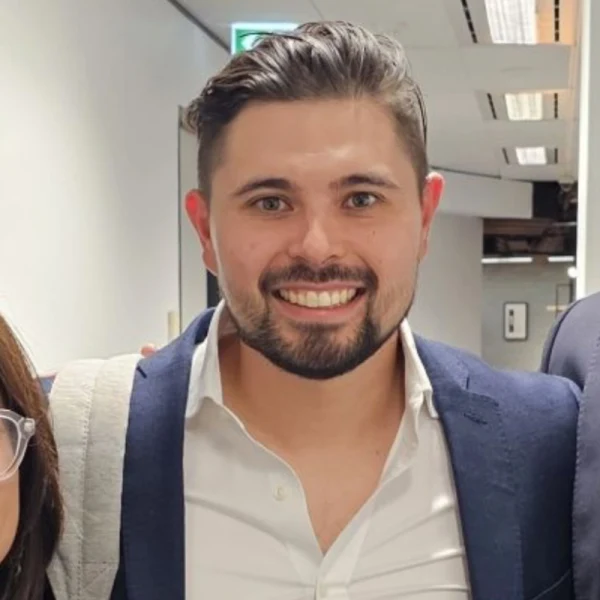
Andre is the co-founder and CEO of Carevo. He holds a Bachelor of Commerce, majoring in Marketing, and a Bachelor of Arts from UNSW Sydney, where his majors were International Relations, Politics, Information Systems, and Media and Communications, graduating in 2014, and went through the UNSW 10x Founders accelerator in 2023.