NDIS Vehicle Modifications: Funding Guide 2026

Andre Smith
Co-founder & CEO
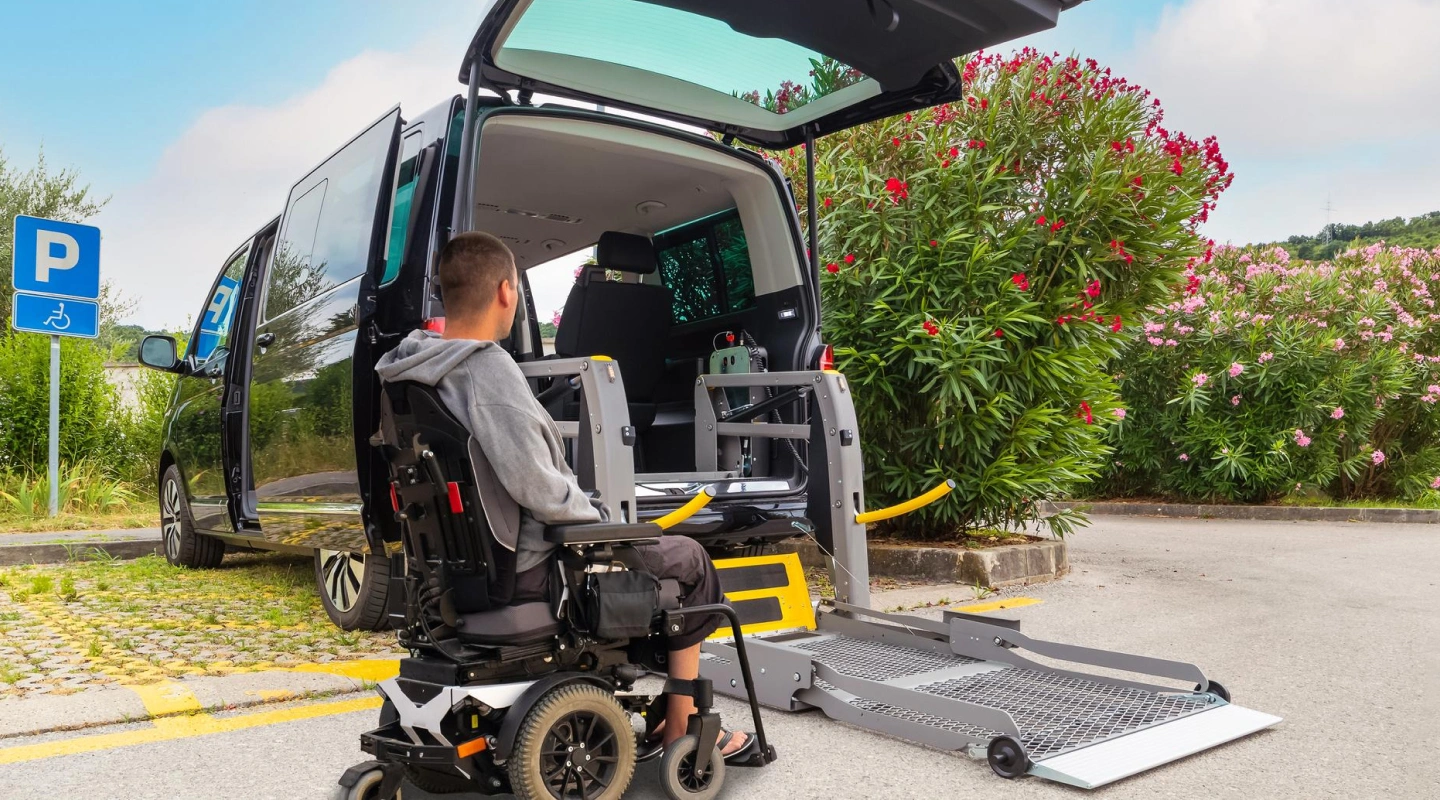
NDIS funds vehicle modifications enabling participants to access community, employment, and education. Common modifications: wheelchair hoists ($6,000-$12,000), hand controls ($2,500-$6,000), left-foot accelerators ($1,500-$3,000), wheelchair-accessible van conversions ($40,000-$80,000). OT assessment required showing modification is reasonable and necessary for community participation. NDIS funds modifications to existing vehicle but does NOT fund vehicle purchase. Funded under Capital Supports (Assistive Technology).
NDIS Vehicle Modifications at a Glance
| Modification Type | Purpose | Cost Range | Installation Time | NDIS Approval Time |
|---|---|---|---|---|
| Wheelchair Hoist (Electric) | Load wheelchair into car boot | $6,000-$12,000 | 1-2 days | 4-8 weeks |
| Hand Controls | Drive without using foot pedals | $2,500-$6,000 | 1 day | 4-8 weeks |
| Left-Foot Accelerator | Drive with left foot (right-leg impairment) | $1,500-$3,000 | 0.5-1 day | 4-8 weeks |
| Steering Aids | Assist steering (one-handed driving) | $800-$2,500 | 0.5 day | 2-4 weeks |
| Swivel Seat | Easier transfer in/out of vehicle | $1,000-$3,000 | 1 day | 4-6 weeks |
| Wheelchair-Accessible Van | Wheelchair user remains in wheelchair | $40,000-$80,000 | 4-8 weeks | 12-20 weeks |
Key Points:
- NDIS funds modifications, NOT vehicle purchase
- OT assessment required ($400-$800)
- Certified installer mandatory (Australian standards compliance)
- Funded under Capital Supports (Assistive Technology)
- Modifications improve community participation, employment, education access
What Vehicle Modifications Does NDIS Fund?
Wheelchair Hoists and Loading Systems
What they are:
- Electric or manual hoists that lift wheelchair into car boot or onto roof rack
- Enable participant (or carer) to load wheelchair without manual lifting
Types:
Electric Wheelchair Hoists
- Boot-mounted: Hoist installed in car boot, wheelchair lifts into boot
- Roof-mounted: Wheelchair lifts onto roof rack (less common)
- Platform lifts: Wheelchair remains assembled, lifts onto vehicle platform
Cost: $6,000-$12,000 installed
Advantages: Easy operation, suitable for heavy powerchairs, reduces carer injury risk
Manual Wheelchair Hoists
- Winch-style: Manual cranking to lift wheelchair
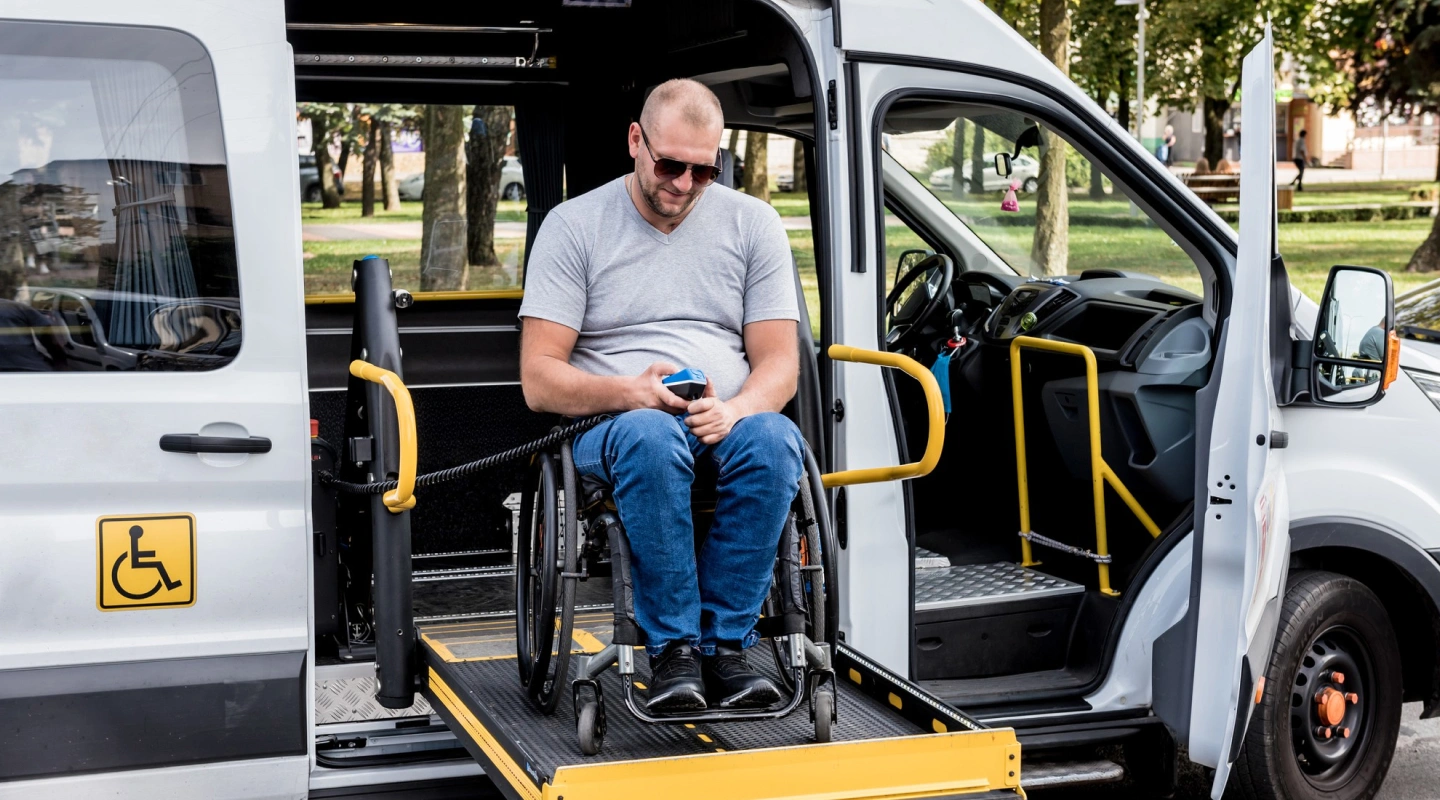
- Portable ramps: Fold-out ramps for loading wheelchair into van
Cost: $4,000-$7,000 installed
Advantages: Lower cost, no electrical installation, suitable for lightweight manual wheelchairs
Hand Controls and Driving Aids
What they are:
- Modifications enabling person to drive without using foot pedals
- Installed in driver position of vehicle
Types:
Push-Pull Hand Controls
- Push rod for brake, pull rod for accelerator
- Mounted to steering column
- Standard option for hand control driving
Cost: $2,500-$4,500 installed
Electronic Hand Controls
- Electronic accelerator and brake operated by joystick or lever
- More complex installation, requires electronic interface with vehicle systems
Cost: $4,000-$6,000 installed
Steering Aids
- Spinner knob (one-handed steering)
- Tri-pin or quad bar (easier grip for limited hand function)
Cost: $800-$2,500 installed
Left-Foot Accelerator
What it is:
- Accelerator pedal installed on left side of brake pedal
- For drivers with right leg amputation or impairment
- Removable (allows right-footed driver to use vehicle)
Cost: $1,500-$3,000 installed
Advantages: Simple modification, quick installation, removable for other drivers
Pedal Extensions
What they are:
- Extensions attached to accelerator and brake pedals
- For drivers with short stature or limited leg reach
Cost: $600-$1,500 installed
Swivel Seats
What they are:
- Driver or passenger seat rotates outward for easier entry/exit
- Reduces transfer difficulty for people with mobility impairment
Cost: $1,000-$3,000 per seat installed
Common for: People with hip/knee arthritis, leg amputation, limited mobility
Wheelchair-Accessible Vehicle Conversions
What it is:
- Major vehicle modification creating wheelchair-accessible entry and interior space
- Wheelchair user remains in wheelchair while traveling
Conversion Includes:
- Lowered floor: Creates headroom for wheelchair user
- Side or rear ramp: Electric or manual ramp for wheelchair entry
- Wheelchair restraints: Tie-downs securing wheelchair during travel
- Modified seating: Removal of standard seats to create wheelchair space
Cost: $40,000-$80,000 (conversion only, vehicle purchase separate)
Suitable Vehicles: Vans (Toyota Hiace, Renault Trafic, Volkswagen Transporter)
When NDIS Funds: Participant uses wheelchair full-time, cannot transfer to vehicle seat, requires wheelchair mobility in community
Vehicle Modification Assessment and Approval Process
Step 1: Occupational Therapy Assessment
OT Assessment Includes:
Participant Functional Assessment:
- Mobility level (walks short distances, uses wheelchair full-time, transfers independently)
- Upper limb function (can operate steering wheel, hand controls)
- Lower limb function (can use foot pedals, requires hand controls)
- Transfer ability (can transfer from wheelchair to car seat)
- Vision and cognitive ability for driving (if participant will drive)
Vehicle Assessment:
- Current vehicle type, make, model, age
- Suitability for modification (some vehicles unsuitable for certain mods)
- Space for wheelchair hoist installation
- Boot size for wheelchair storage
Modification Options:
- Option A: Wheelchair hoist (keep current vehicle)
- Option B: Hand controls (if participant will drive)
- Option C: Accessible van conversion (if wheelchair user cannot transfer)
- Option D: Combination modifications (hoist + hand controls)
Value for Money Analysis:
- Cost comparison of options
- Longevity and lifespan of modification
- Impact on community participation and independence
- Alternative transport options (taxis, community transport, carer driving)
OT Report:
- Detailed assessment findings
- Recommended modification with justification
- Alternative options considered
- Quotes from certified installers
- Evidence of community participation goals requiring vehicle modification
OT Assessment Cost: $400-$800 (2-4 hours at $193.99/hour NDIS OT rate)
Funded From: Capacity Building (Improved Daily Living) budget
Step 2: Obtain Quotes from Certified Installers
NDIS Requires:
- 3 quotes for modifications over $1,500
- Installers must be certified/accredited for modification type
- Quotes must be itemized (parts, labor, installation, warranty)
- Australian standards compliance confirmation
- Installer liability insurance and certification
Finding Certified Installers:
- Vehicle Modification Database: Search “NDIS vehicle modification installers [your city]”
- OT Referral: OT often has relationships with certified installers
- Disability Equipment Suppliers: Companies like Paravan, Freedom Motors, Autoadapt
Quote Must Include:
- Detailed description of modification
- Parts and materials costs
- Labor and installation hours
- Compliance with Australian standards (ADR, AS/NZS standards)
- Warranty period (typically 12-24 months)
- Installation timeline
Step 3: Submit NDIS Funding Request
Documents Required:
- OT Vehicle Modification Report (comprehensive assessment and recommendations)
- Three Quotes (from certified installers)
- Evidence of Vehicle Ownership (registration papers showing participant or family member owns vehicle)
- Photos of Current Vehicle (if applicable)
- Evidence of Community Participation Goals (employment letter, education enrollment, social activities requiring vehicle access)
Submission Method:
- NDIS portal: Upload documents through myplace.ndis.gov.au
- Support coordinator: Assist with submission
- Email: [email protected]
Step 4: NDIS Review and Approval
NDIA Reviews:
- Is modification reasonable and necessary for participant’s disability?
- Does OT report clearly justify modification need?
- Are quotes reasonable compared to industry standards?
- Is modification most cost-effective option?
- Does modification align with community participation goals?
Common Questions NDIS May Ask:
- Why is vehicle modification necessary vs using taxis or community transport?
- Can participant use public transport or other alternatives?
- Is accessible van conversion justified vs wheelchair hoist?
- Why are three similar quotes showing different prices?
Approval Timeline:
- Modifications under $15,000: 4-8 weeks
- Modifications $15,000-$75,000: 8-16 weeks
- Major conversions over $75,000: 12-20 weeks (may require independent assessment)
Approval Outcomes:
- Approved: Funding added to Capital Supports budget, installation can proceed
- Partially approved: Lower amount approved (e.g., manual hoist instead of electric)
- Denied: NDIS provides reasons, option to request internal review
Step 5: Installation and Compliance Certification
Installation Process:
- Schedule installation with chosen installer (typically 1-3 weeks wait)
- Vehicle delivered to installer workshop
- Modification installation (1-5 days depending on complexity)
- Testing and compliance certification: Installer tests modification and certifies Australian standards compliance
- Participant training: Installer demonstrates modification operation
- Vehicle returned with modification completed
Post-Installation:
- Compliance certificate: Installer provides certificate confirming modification meets standards
- Warranty documentation: Typically 12-24 months parts and labor
- User manual: Operation instructions and maintenance requirements
- Submit invoice to NDIS: Installer invoices NDIS directly (plan-managed or agency-managed) or participant claims reimbursement (self-managed)
NDIS Vehicle Modification Costs
Typical Modification Costs (2026)
| Modification | Low-End Cost | High-End Cost | Installation Included |
|---|---|---|---|
| Wheelchair Hoist (Manual) | $4,000 | $7,000 | Yes |
| Wheelchair Hoist (Electric) | $6,000 | $12,000 | Yes |
| Hand Controls (Push-Pull) | $2,500 | $4,500 | Yes |
| Hand Controls (Electronic) | $4,000 | $6,000 | Yes |
| Left-Foot Accelerator | $1,500 | $3,000 | Yes |
| Steering Aids (Spinner Knob) | $800 | $2,500 | Yes |
| Swivel Seat (Single) | $1,000 | $3,000 | Yes |
| Pedal Extensions | $600 | $1,500 | Yes |
| Wheelchair-Accessible Van Conversion | $40,000 | $80,000 | Yes |
Additional Costs:
- OT Assessment: $400-$800 (separate from modification cost)
- Annual Servicing: $200-$400 per year (participant responsibility)
- Transfer to New Vehicle: $1,500-$3,000 (if modification transferable)
Value for Money Considerations
NDIS Compares:
Vehicle Modification vs Alternatives:
- Taxi vouchers: $20-$50 per trip, 100+ trips per year = $2,000-$5,000 annually
- Community transport: Often limited availability and routes
- Carer driving: Reliance on informal supports, reduces independence
Modification Lifespan:
- Wheelchair hoists: 5-10 years with proper maintenance
- Hand controls: 5-8 years
- Accessible van conversion: 10-15 years (vehicle lifespan)
Cost-Benefit:
- $10,000 wheelchair hoist over 8 years = $1,250/year
- Enables independent community access, employment, education
- Reduces reliance on taxis ($2,000-$5,000/year saved)
- NDIS generally approves modifications with 5+ year ROI
Special Considerations
Vehicle Ownership
NDIS Requires Vehicle Ownership:
- Participant owns vehicle, OR
- Family member owns vehicle and participant is primary user
Cannot Fund Modifications to:
- Rental cars
- Employer-owned vehicles (unless specific employment-related modification)
- Community organization vehicles (separate funding pathways)
Multiple Vehicle Modifications
NDIS may fund modifications to TWO vehicles if:
- Participant regularly uses both vehicles (e.g., lives between two parents’ homes)
- One vehicle is primary (daily use), second is backup (weekend/holiday use with other parent/carer)
- Dual modifications reduce reliance on other transport options
Justification Required:
- Evidence of regular use of both vehicles
- Explanation why single vehicle insufficient
- Cost-benefit analysis showing value for money
Modification Transfer to New Vehicle
Some Modifications are Transferable:
- Wheelchair hoists: Can be removed and reinstalled in new vehicle
- Transfer cost: $1,500-$3,000
- NDIS may fund transfer if within modification lifespan (e.g., 4-year-old hoist transferred to new car)
Non-Transferable Modifications:
- Hand controls: Vehicle-specific installation, new controls required for new vehicle
- Accessible van conversion: Permanent structural modification to vehicle
When Purchasing New Vehicle:
- Notify NDIS if current modification is less than 5 years old
- Request transfer funding or new modification funding
- New OT assessment may be required to confirm compatibility with new vehicle
Maintenance and Repairs
Participant Responsibility:
- Annual servicing of modifications (typically $200-$400)
- Warranty repairs handled by installer (if within warranty period)
NDIS May Fund:
- Repairs beyond warranty if modification failed prematurely
- Replacement if modification fails beyond economical repair
- Upgrade if participant needs change (e.g., manual wheelchair to powerchair requiring larger hoist)
Not Funded by NDIS:
- Repairs due to participant misuse or neglect
- Vehicle repairs (engine, transmission, etc.) unrelated to modification
- Cosmetic damage to modification
Frequently Asked Questions About NDIS Vehicle Modifications
Does NDIS fund vehicle modifications?
Yes, NDIS funds vehicle modifications that are reasonable and necessary for participants to access community, employment, or education. Funded modifications include: wheelchair hoists and ramps ($4,000-$12,000), hand controls and steering aids ($2,500-$6,000), left-foot accelerator pedals ($1,500-$3,000), swivel seats ($1,000-$3,000), and wheelchair-accessible vehicle conversions ($40,000-$80,000). OT assessment required showing modification is necessary for community participation.
What vehicle modifications does NDIS fund?
NDIS funds vehicle modifications including: wheelchair hoists (electric or manual) for loading wheelchairs, hand controls for drivers unable to use foot pedals, left-foot accelerator for right-leg impairment, steering aids (spinner knobs, tri-pin), pedal extensions for short stature, swivel seats for transfer assistance, wheelchair restraints and tie-downs, portable ramps for vehicle access, and accessible vehicle conversion (lowered floor, ramp entry). Modifications must enable participant community participation.
How much do NDIS vehicle modifications cost?
NDIS vehicle modification costs: wheelchair hoist (electric) $6,000-$12,000, wheelchair hoist (manual) $4,000-$7,000, hand controls $2,500-$6,000, left-foot accelerator $1,500-$3,000, steering aids $800-$2,500, swivel seat $1,000-$3,000, wheelchair-accessible van conversion $40,000-$80,000. Costs include installation by certified technician. OT assessment ($400-$800) separate. NDIS funds modifications, NOT vehicle purchase.
Can NDIS pay for wheelchair-accessible van?
NDIS does NOT fund vehicle purchase. NDIS funds MODIFICATIONS to existing vehicle owned by participant or family. For wheelchair-accessible van, participant must: (1) purchase or lease van privately, (2) apply for NDIS funding for conversion modifications (ramp, lowered floor, wheelchair restraints), (3) NDIS funds conversion costs ($40,000-$80,000), not van purchase ($60,000-$100,000). Alternative: wheelchair hoist in family car ($6,000-$12,000) often more cost-effective.
What is OT assessment for vehicle modifications?
OT assessment for vehicle modifications evaluates: participant mobility and transfer abilities, current vehicle type and suitability, modification options (hoist vs accessible van), driving ability or passenger needs, community participation goals requiring vehicle access, and value for money comparison of options. Assessment includes vehicle inspection and trial of modifications. OT provides detailed report with recommendations and quotes. Assessment costs $400-$800 (charged to Capacity Building budget).
Who can install NDIS vehicle modifications?
NDIS vehicle modifications must be installed by: certified vehicle modification technicians with relevant qualifications, accredited installers (hand controls, hoists must meet Australian standards), and technicians with liability insurance and certification for modification type. DIY installation NOT accepted by NDIS. Installation included in modification quote. Warranty typically 12-24 months. Annual inspections required for safety compliance.
Can I get vehicle modifications for family car?
Yes, NDIS funds modifications to family vehicle if participant is regular passenger or driver. Vehicle ownership: participant can own vehicle, OR family member owns vehicle if participant is primary user for disability-related transport. Multiple vehicle modifications: NDIS may fund modifications to two vehicles if justified (e.g., participant uses both parents cars regularly). Family must agree to retain modifications or remove when selling vehicle.
How long does NDIS vehicle modification approval take?
NDIS vehicle modification approval timeline: OT assessment and report (2-4 weeks), obtain quotes from certified installers (1-2 weeks), submit to NDIS with OT report (immediate), NDIS review and approval (4-8 weeks for mods under $15K, 8-16 weeks for mods $15K+), installation scheduling (1-3 weeks), installation completion (1-5 days depending on modification complexity). Total timeline: 8-18 weeks from OT assessment to completed installation.
What if my wheelchair hoist breaks or needs repair?
Wheelchair hoist repairs and replacement: if under warranty (12-24 months), manufacturer repairs at no cost. If out of warranty, NDIS may fund repairs if reasonable (typically $500-$2,000). If hoist fails beyond economical repair, NDIS funds replacement. Replacement requires new OT assessment and quotes. Annual servicing recommended (typically $200-$400, participant responsibility unless part of maintenance plan in NDIS funding).
Can I transfer vehicle modifications to new car?
Some vehicle modifications are transferable: wheelchair hoists can be removed and reinstalled in new vehicle ($1,500-$3,000 transfer cost, NDIS may fund if within modification lifespan). Hand controls are vehicle-specific, typically not transferable (new installation required). Accessible van conversions are NOT transferable (permanent vehicle modifications). When purchasing new vehicle, plan for transfer costs or new modification funding. OT assessment required for new vehicle compatibility.
Key Resources for NDIS Vehicle Modifications
Official NDIS Information:
- NDIS Assistive Technology: ndis.gov.au/participants/assistive-technology
- NDIS Capital Supports: ndis.gov.au/capital-supports
Vehicle Modification Providers:
- Paravan Australia: paravan.com.au
- Freedom Motors: freedommotors.com.au
- Autoadapt: autoadapt.com
Occupational Therapy:
- Occupational Therapy Australia: otaus.com.au
- Find OT Vehicle Modification Specialist: OT Australia Directory
Carevo:
Need help with NDIS vehicle modification assessment and approval? Carevo connects participants with vehicle modification assessment providers across Australia, including OTs specializing in driving assessments and accredited vehicle modification builders. Call 1800 953 253 for assistance with vehicle modification funding.
Find the right provider through Carevo
Answer a few quick questions and get matched with providers who fit your needs. Free, no obligation.
Need Plan Management?
Who is the care for?
Takes 30 seconds. Free, no obligation.
Co-founder & CEO
Andre is the co-founder and CEO of Carevo. He holds a Bachelor of Commerce, majoring in Marketing, and a Bachelor of Arts from UNSW Sydney, where his majors were International Relations, Politics, Information Systems, and Media and Communications, graduating in 2014, and went through the UNSW 10x Founders accelerator in 2023.