Angelman Syndrome Care Planning: Communication Supports and Long-Term Provider Coordination
Gemma Foxton
Customer Lead

Key Points
- Angelman syndrome qualifies automatically for NDIS under List A (genetic diagnosis); access is straightforward, but plan size must reflect the high and complex support needs characteristic of the condition
- Communication support via AAC (augmentative and alternative communication) is the single most important therapeutic investment; consistent AAC use across all environments requires training all support people in the person’s system
- Behaviour support must be grounded in the understanding that behaviours in Angelman syndrome communicate unmet needs rather than deliberate actions; a Functional Behaviour Assessment is essential before any intervention is implemented
- Epilepsy affects 80 to 90% of people with Angelman syndrome; all support workers and family carers must receive seizure management training including rescue medication administration if prescribed
- Support coordination in Angelman syndrome is complex, involving multiple NDIS providers and specialist medical teams; a coordinator with experience in complex intellectual disability and communication needs is valuable
- The Angelman Syndrome Association Australia provides peer support, NDIS navigation, and connection to the international research community for families across Australia
Angelman Syndrome and Lifelong Support
Angelman syndrome is a rare neurogenetic condition caused by the absence or non-functioning of the UBE3A gene on the maternally inherited copy of chromosome 15. The condition causes significant intellectual disability, absent or severely limited verbal speech, movement and balance difficulties, characteristic happy and excitable personality, and in the majority of cases, epilepsy.
Approximately 1 in 15,000 people worldwide has Angelman syndrome. In Australia, Angelman Syndrome Association Australia estimates several hundred Australians live with the condition. Angelman syndrome is lifelong; while people with the condition can make developmental progress throughout their lives, the core features of severe intellectual disability and absent verbal communication are permanent.
Planning care for a person with Angelman syndrome requires thinking across a lifetime. The provider team, the communication systems, and the support structures that work in early childhood must evolve through adolescence and into adulthood. This guide covers the NDIS pathway, communication support planning, behaviour support, epilepsy management, and coordination strategies for each life stage.
NDIS Access for Angelman Syndrome
Angelman syndrome is a List A condition for NDIS: a confirmed genetic diagnosis (from clinical genetics or a paediatrician with genetic confirmation) provides automatic access. Children under 7 are presumed eligible under List D.
Once access is confirmed, the planning process must document the full scope of support needs:
- Communication: Absence of functional verbal speech; AAC system in use or prescribed
- Intellectual disability: Severity and impact on daily living and learning
- Epilepsy: Type, frequency, severity, and current management
- Motor difficulties: Gait, balance, gross motor development
- Behaviour: Any behaviours of concern and current behaviour support approach
- Daily living: Personal care, domestic tasks, and all areas requiring support worker assistance
- Allied health: Current and anticipated therapy needs
- Community participation: Current activities and goals for inclusion
Plans for adults with Angelman syndrome with high support needs typically include significant Core Support budgets for personal care and community access, alongside comprehensive Capacity Building for therapy.
Communication: The Priority Investment
For a person with Angelman syndrome, a well-implemented AAC system is the foundation of all other supports. Without communication, the person cannot express preferences, report pain, participate in decisions, or build relationships.
What AAC looks Like in Angelman Syndrome
People with Angelman syndrome typically have intact receptive language (they understand more than they can express) but severely limited expressive speech. AAC systems for Angelman syndrome may include:
Low-tech systems:
- Communication books and boards with photographs, symbols, or Picture Exchange Communication System (PECS)
- Core vocabulary boards (a small set of high-frequency, multi-purpose words such as “stop”, “want”, “go”, “more”, “help”)
- Object symbols (physical objects representing activities)
High-tech systems:
- Speech-generating devices (SGDs) with symbol-based vocabulary
- Eye gaze technology (for people with limited accurate hand function, eye gaze allows device control through eye movement)
- Tablet-based communication apps programmed with individualised vocabulary
Sign-supported communication:
- Key Word Sign Australia (Makaton) for people who can produce or approximate signs
- Often used alongside other AAC as a quick, always-available communication method
Most people with Angelman syndrome use multiple systems: a low-tech board for quick, reliable communication in any environment plus a high-tech device for more complex communication at home or in therapy.
Implementing AAC Consistently
A speech pathologist prescribes and programmes the AAC system. The most common implementation failure is inconsistent use: the AAC system is used in therapy but not in daily life. All people who interact with the person must be trained in:
- How the AAC system works (navigating it, finding vocabulary)
- How to model AAC use (speaking while using the device or board to demonstrate communication)
- How to respond when the person uses the system (positive, consistent responses that reinforce use)
- How to expand the person’s communication over time
Support workers, family carers, school staff, and all other providers must use the person’s AAC system consistently across all environments. The speech pathologist trains all providers initially and reviews implementation regularly.
Behaviour Support
Behaviour support for Angelman syndrome is a specialist area requiring understanding of the unique profile of the condition.
Why Behaviour Occurs
The vast majority of behaviours of concern in Angelman syndrome arise from one or more of the following:
- Communication barriers: The person cannot express a need, preference, or distress verbally; behaviour is the available signal
- Epilepsy: Pre-ictal (before a seizure) and post-ictal (after a seizure) states cause significant behaviour changes that are neurological, not deliberate
- Sensory sensitivities: Some people with Angelman syndrome have significant sensory sensitivities; environments that are too loud, bright, or unpredictable cause distress expressed through behaviour
- Pain or illness: Given the communication barrier, pain or physical illness frequently presents as behaviour change; this must be medically excluded before any behavioural intervention is implemented
- Changes to routine: Angelman syndrome frequently involves high reliance on routine; unexpected changes cause significant distress
The Behaviour Support Process
A behaviour support practitioner with Angelman syndrome experience:
- Conducts a Functional Behaviour Assessment (FBA): Identifying what function the behaviour serves, when and where it occurs, what precedes and follows it, and what environmental factors contribute
- Develops a Positive Behaviour Support Plan (PBS Plan): Addressing the function of the behaviour by teaching communication alternatives, modifying the environment, and supporting the person’s quality of life
- Trains all providers in the PBS Plan: Consistent implementation across all environments is essential
- Reviews the plan regularly and adjusts based on observed changes
Restrictive practices (any strategy that limits the person’s movement, access, or freedom) must be authorised by the relevant state body and have a PBS plan in place that is working toward their elimination. Behaviour support practitioners must be appropriately credentialed under the NDIS Practice Standards.
Epilepsy Management
Epilepsy in Angelman syndrome is among the most challenging to manage because it:
- Begins early in life (often before 3 years)
- Frequently involves multiple seizure types
- Is often poorly controlled with standard medications
- Evolves over time, with some people experiencing fewer seizures in adulthood
What Support Workers and Carers Must Know
All people who support a person with Angelman syndrome must be trained in seizure management before working independently. Training covers:
- The person’s specific seizure types and how they present (seizures in Angelman syndrome can be subtle; absence seizures or atypical seizures may not look like the classic tonic-clonic)
- Basic seizure first aid: time the seizure, protect from injury, do not restrain, do not put anything in the mouth, place in recovery position after tonic-clonic seizure when safe to do so
- When to call 000: seizure lasting more than 5 minutes, second seizure without full recovery, injury, breathing difficulty, or prolonged post-ictal confusion
- Rescue medication administration: buccal midazolam or intranasal diazepam, if prescribed, including correct dose, administration technique, and timing
- Seizure diary: accurately recording date, time, duration, seizure type, and recovery period for the neurologist’s review
Training is provided by the epilepsy nurse attached to the treating neurology service. It must be documented, refreshed regularly, and completed by all new support workers before independent work.
The Provider Team
Speech Pathologist
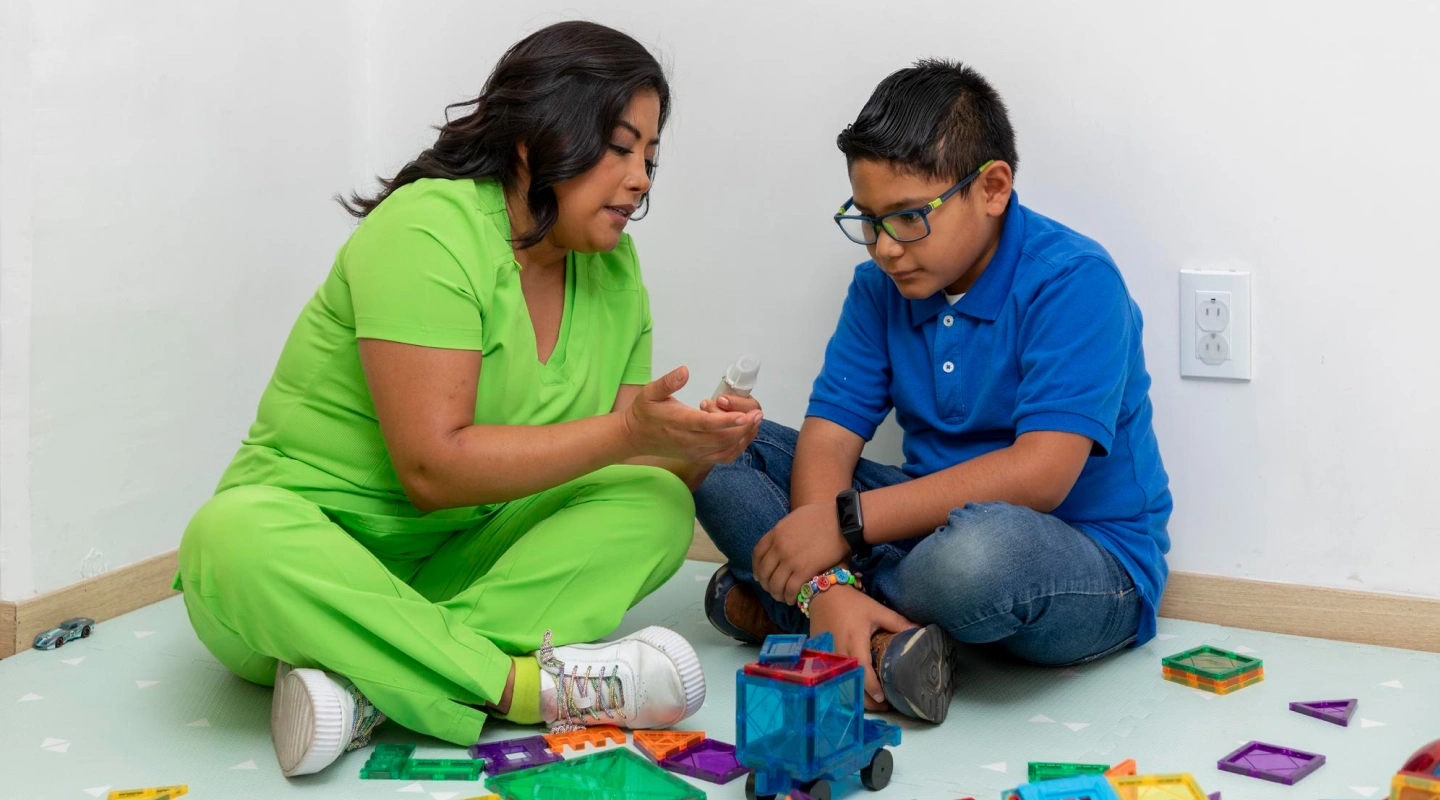
The speech pathologist leads AAC assessment, prescription, programming, and implementation support. They:
- Assess the person’s communication strengths and needs comprehensively
- Prescribe the most appropriate AAC system or combination of systems
- Programme and configure the high-tech device with individualised vocabulary
- Train all providers and family in AAC implementation and modelling
- Monitor communication development and review the AAC system regularly
Occupational Therapist
The OT addresses:
- Seating and positioning: For people with Angelman syndrome who use wheelchairs or specialised seating, positioning directly affects comfort, safety, and the ability to access AAC devices
- Assistive technology: Prescribing switches, mounting systems, and access methods for AAC devices and other technology
- Fine motor and daily living skills: Supporting development of skills for daily living tasks within the person’s capacity
- Home modifications: Where mobility or safety is a concern
- Sensory processing: OT with sensory processing experience addresses sensory sensitivities
Physiotherapist
Physiotherapy addresses:
- Gross motor development and movement quality
- Gait and balance: The characteristic gait of Angelman syndrome (wide-based, arms raised, happy appearance) reflects underlying balance and motor planning difficulties
- Preventing scoliosis progression (common in Angelman syndrome)
- Hydrotherapy: Highly valued by many families for gross motor work and for the sensory and emotional benefits
Behaviour Support Practitioner
As described above, a credentialed behaviour support practitioner provides FBA, PBS plan development, and provider training.
Neurologist
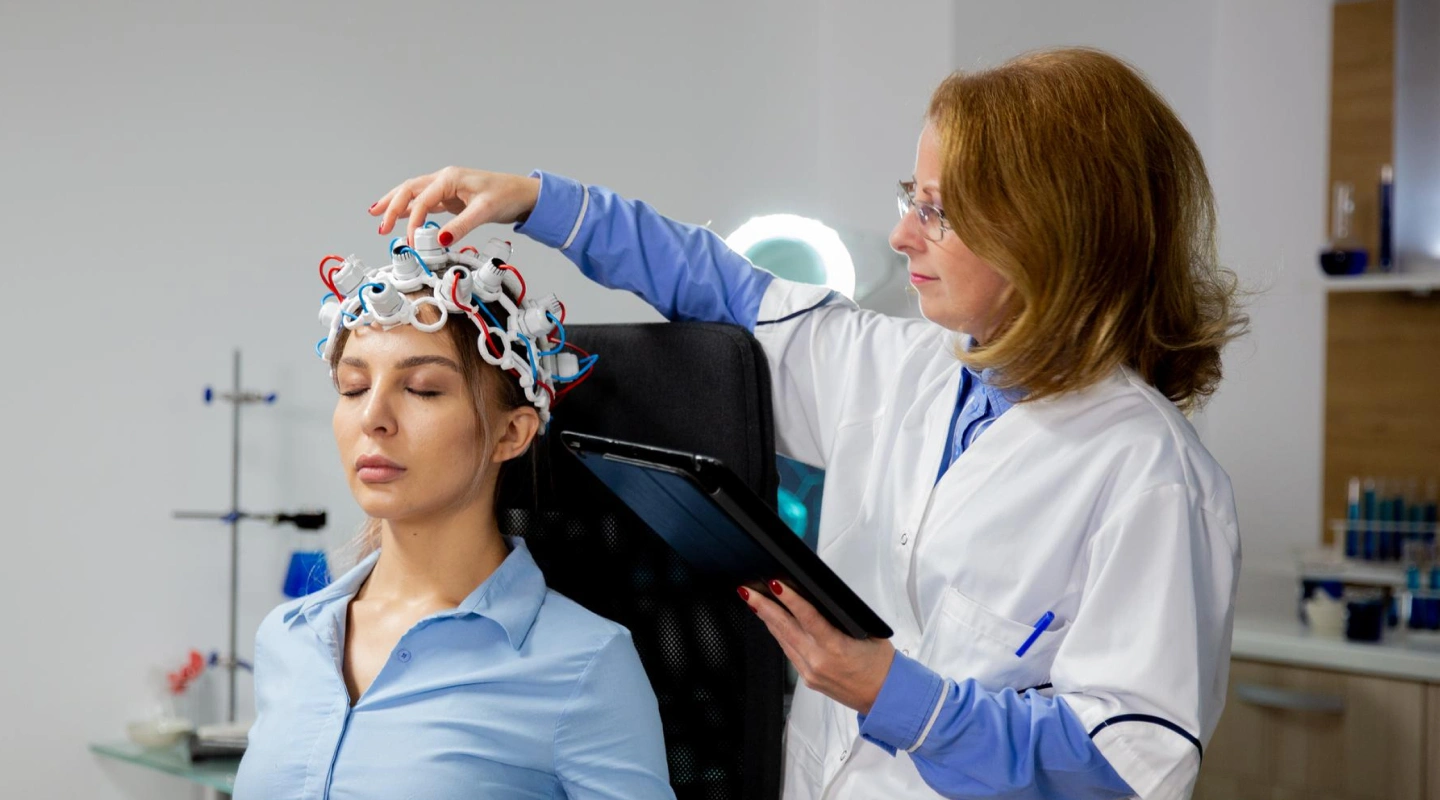
The treating neurologist manages epilepsy, reviews EEG, adjusts anticonvulsant medication, and monitors for any changes in neurological status. Regular neurology review is a medical priority for all people with Angelman syndrome.
Support Coordinator
Given the complexity of needs across multiple providers and systems, a support coordinator with intellectual disability and complex needs experience is strongly recommended. The support coordinator manages the NDIS plan, coordinates between providers, manages plan reviews, and ensures continuity of care through life stage transitions.
Life Stage Transitions
Childhood to Adolescence
The transition from primary to secondary school requires significant planning. Daily support needs often increase as puberty brings physical and hormonal changes. AAC systems may need updating for age-appropriate vocabulary and social contexts. Behaviour support plans must be reviewed in the context of changed environments.
Adolescence to Adult Services
The transition from paediatric services (paediatrician, children’s therapy services, special school) to adult services (adult physician, adult disability services) is one of the highest-risk periods for Angelman syndrome families. Key elements:
- NDIS plan review: Should occur 12 to 18 months before the transition to adult services, with explicit planning for the loss of school-based support hours
- Medical handover: A detailed handover from the paediatrician to an adult physician (typically an adult neurologist and GP) documenting the full history of epilepsy, medications, and medical management
- Provider continuity: Where possible, maintaining the same allied health providers through the transition reduces disruption
Adulthood
For adults with Angelman syndrome, planning often focuses on:
- Appropriate housing (supported independent living or family home with funded daily support)
- Meaningful community participation and activities suited to adult life stages
- Planning for when family carers are no longer able to provide primary care (often called future planning or succession planning)
Key Resources
- Angelman Syndrome Association Australia (ASAA) - peer support, NDIS navigation, and connection to the research community
- Epilepsy Action Australia - seizure first aid information, rescue medication guidance, and carer training
- Key Word Sign Australia - information on Key Word Sign for families and support workers
- NDIS Assistive Technology guidance - official NDIS guidance on AAC device funding
Connecting with Angelman Syndrome Support Providers
Carevo connects families with Angelman syndrome to speech pathologists, behaviour support practitioners, OTs, physiotherapists, and NDIS-registered daily support providers across Australia.
Need support at home?
Find the right provider for you or your loved ones through Carevo.
About the author
Back to Blog Customer Lead
Gemma is Carevo's Customer Lead. She spent several years working as a support worker before moving into concierge and partnerships roles, so she writes from the frontline of care.