Duchenne Muscular Dystrophy Progression Planning: Anticipating Equipment and Support Changes
Gemma Foxton
Customer Lead

Key Points
- DMD qualifies automatically for NDIS under List A (genetic diagnosis); plans require significant ongoing review as the condition is progressive with substantially increasing support needs across life stages
- DMD progression follows broadly predictable transition points that benefit from advance planning; each transition (wheelchair, spinal surgery, ventilation, SIL) should be planned 12 to 24 months before it is needed
- Nocturnal BiPAP ventilation is introduced when overnight respiratory function declines; all carers must be trained in mask fitting, machine setup, and troubleshooting before the person starts home ventilation
- Cardiomyopathy is universal in DMD; cardiac monitoring from age 10 and early ACE inhibitor or ARB therapy are standard of care; cardiac symptoms require urgent escalation
- Cough assist device use is a critical safety skill for support workers in the non-ambulatory phase; training is provided by the respiratory physiotherapist and must be documented
- SIL planning for adult DMD should begin years before it is needed; finding appropriate accommodation and securing NDIS approval takes significant lead time
Duchenne Muscular Dystrophy: A Progressive Condition Requiring Progressive Planning
Duchenne muscular dystrophy is a severe X-linked neuromuscular condition caused by mutations in the DMD gene, which encodes the protein dystrophin. Without functional dystrophin, muscle fibres undergo progressive degeneration and replacement with fibrous and fatty tissue. DMD affects all muscle types: skeletal muscle (causing progressive loss of movement), cardiac muscle (causing cardiomyopathy), and respiratory muscle (causing progressive respiratory failure).
DMD affects approximately 1 in 3,500 male births. In Australia, several hundred young men and boys live with DMD. The condition is almost exclusively in males (females carry the gene mutation and may have some features, but rarely the full condition).
The landscape of DMD has changed substantially over the past decade. Corticosteroid therapy, cardiac surveillance and treatment, respiratory management, and emerging disease-modifying treatments have extended both life expectancy and quality of life significantly. Many young men with DMD now survive into their 30s and beyond, creating new challenges and opportunities for longer-term planning.
This guide covers the NDIS pathway, the key transition points in DMD, the provider team, and how to plan ahead rather than responding to crisis.
NDIS Funding for DMD
DMD qualifies automatically for NDIS under List A. Once genetic diagnosis is confirmed, NDIS access is established. Plans are reviewed regularly as the progressive nature of DMD means support needs change substantially across life stages.
Core Supports:
- Personal care and daily living support worker hours (increasing significantly across the ambulatory to non-ambulatory transition)
- Community access and social participation
- Supported Independent Living (for adults requiring 24-hour support)
Capacity Building Supports:
- Physiotherapy (neuromuscular and respiratory)
- Occupational therapy (equipment assessment and prescription)
- Speech pathology (as communication or swallowing needs arise)
- Psychology (adjustment, quality of life, family counselling)
- Support coordination
Capital Supports:
- Power wheelchairs and complex seating systems
- Ventilation equipment (BiPAP, cough assist device)
- Ceiling hoist systems and home modifications
- Communication technology
NDIS plan sizes for adults with advanced DMD are among the largest in the scheme given the extent of daily support needs. Regular plan reviews, ideally 12 months before each anticipated transition, ensure plans keep pace with changing needs.
The Transition Points: Planning Ahead
1. Ambulatory to Wheelchair (Ages 9-14, Variable)
The transition from walking to full-time power wheelchair use is a significant functional and psychological milestone. Advance planning includes:
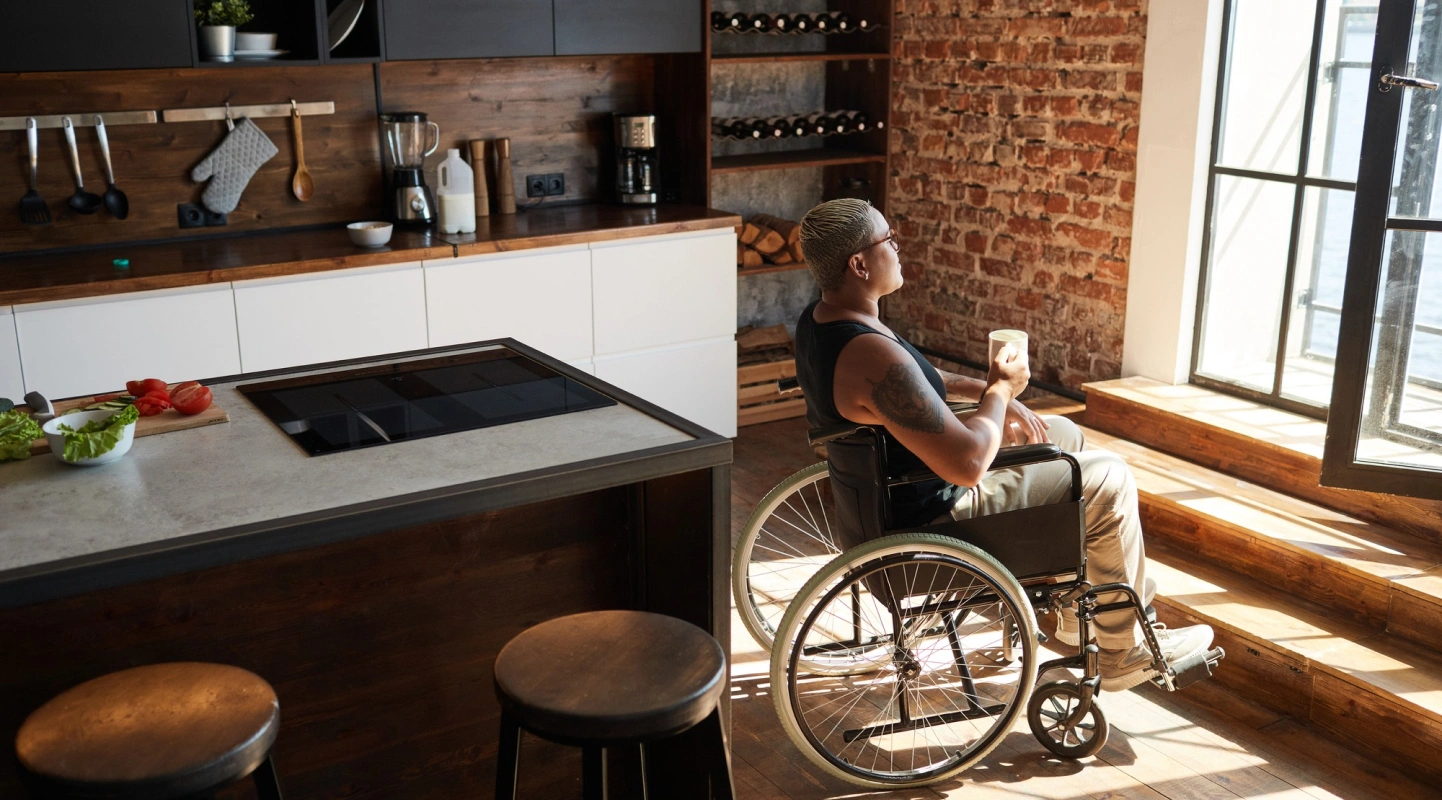
- Power wheelchair prescription: The OT begins the wheelchair assessment process at least 12 months before it is anticipated. A complex rehabilitation chair with appropriate postural support, drive controls, tilt and recline, and transport compatibility takes several months to prescribe, fund, and deliver
- Home modifications: Wheelchair accessibility requires assessment and modification of doorways, flooring, bathroom, and access points. These modifications take time and NDIS approval; planning should begin while the person is still walking
- School transition: Adjustments to school accessibility and support
Preserving walking function as long as safely possible is the goal; the physiotherapist monitors gait and fall risk and advises on when transition is approaching.
2. Scoliosis and Spinal Surgery
Scoliosis (curvature of the spine) develops in most people with DMD following the transition to full-time wheelchair use. Spinal fusion surgery to correct the curvature and stabilise the spine is often recommended.
Timing matters critically: The surgery must occur when the person’s respiratory function is sufficient for general anaesthesia (typically when FVC is above a minimum threshold). Once respiratory function declines below safe anaesthesia levels, surgery becomes too high risk. The window for safe surgery may close earlier than expected. The neuromuscular specialist and respiratory team advise on timing; this is not a decision that should be deferred without clinical guidance.
3. Introduction of Nocturnal Ventilation
Respiratory muscle weakness in DMD leads progressively to:
- Reduced peak cough flow (inability to cough effectively to clear secretions)
- Overnight hypoventilation (insufficient breathing during sleep, causing CO2 retention)
- Daytime respiratory insufficiency
- Respiratory failure
Nocturnal BiPAP ventilation is introduced when overnight monitoring (sleep study) shows hypoventilation. This is a significant change in home management:
Carer training requirements:
- Mask fitting and checking the seal
- Machine setup and daily checks
- Recognising and troubleshooting alarms
- How to manage if the person removes the mask or becomes distressed
- Escalation pathways for equipment failure or significant respiratory deterioration
All support workers providing overnight support must be trained before commencing independent shifts.
4. Cough Assist Device
As cough effectiveness declines, the cough assist device (MI-E) is prescribed. For people in the non-ambulatory phase:
- Used multiple times daily, particularly during respiratory infections
- All carers trained in correct application (mask positioning, machine settings, technique)
- Used at the first sign of a respiratory infection, before secretions accumulate
- Emergency protocol for when the person is struggling to breathe
5. Daytime and 24-Hour Ventilation
As the condition progresses, ventilation needs extend from nocturnal to daytime and eventually 24-hour support. At this stage:
- The person may be ventilated via a mouthpiece (daytime) and mask (overnight)
- Tracheostomy (invasive ventilation) may be discussed for those who need full-time ventilation and cannot tolerate mask ventilation
- Support workers must have advanced respiratory training and there must always be a trained carer present
- Overnight support becomes a clinical necessity, not just a convenience
6. Adult Transition
The transition from paediatric neuromuscular services (children’s hospital specialist teams) to adult services is a high-risk period. Key elements:
- Begin planning 2 to 3 years before turning 18
- Identify adult neurologist, respiratory physician, and cardiologist with DMD experience
- NDIS plan review to account for the loss of school-based support hours and increased daily support needs
- Housing planning: what will the living arrangement be in adulthood?
The Multidisciplinary Provider Team
Respiratory Physiotherapist
The respiratory physiotherapist manages:
- Airway clearance training and cough assist device use
- Overnight ventilation training for the person and carers
- Respiratory function monitoring (peak cough flow, spirometry, overnight oximetry)
- Liaison with the hospital respiratory team for clinical escalation
Occupational Therapist
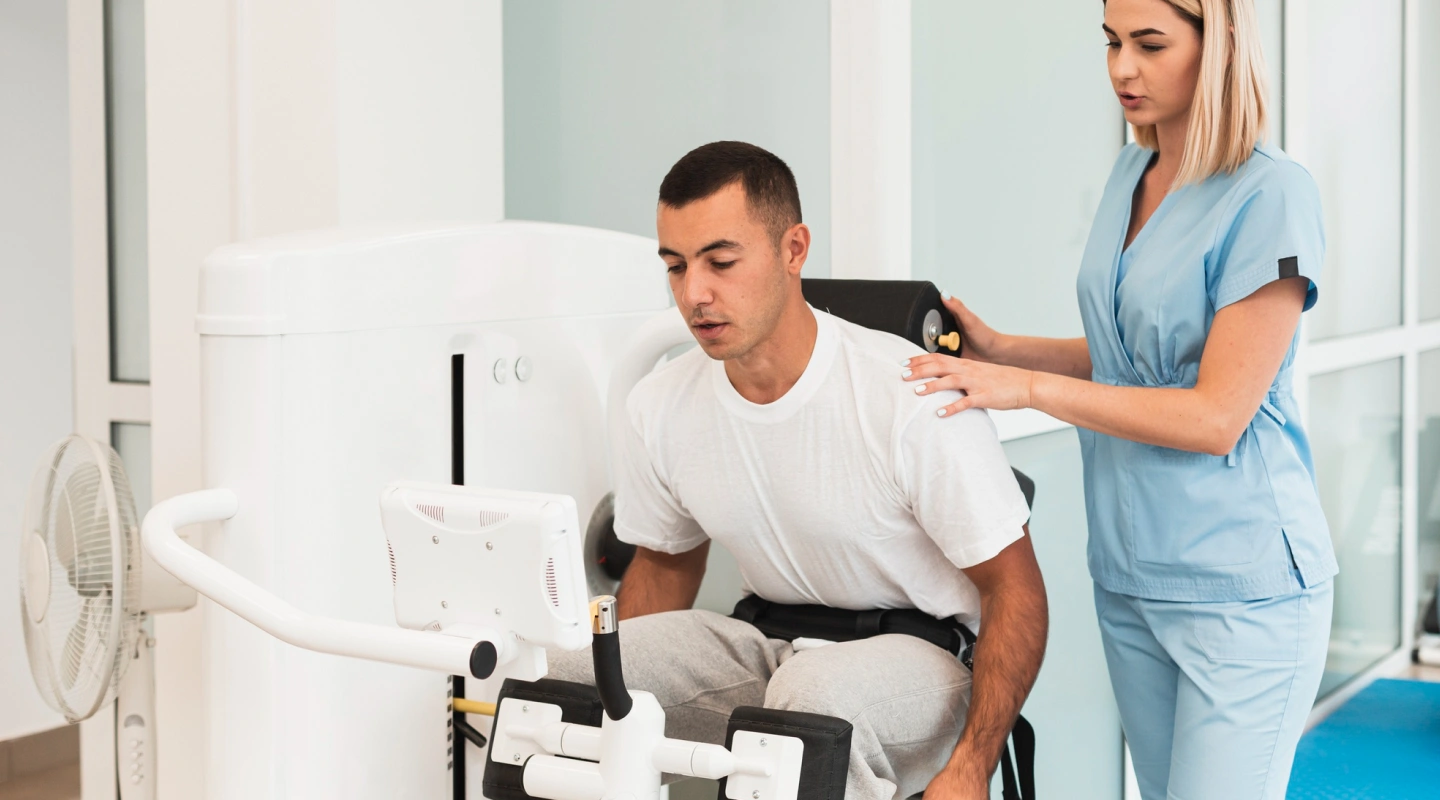
The OT manages equipment assessment and prescription across the entire disease trajectory:
- Power wheelchair: Prescribing increasingly complex chairs as postural needs change
- Ceiling hoist system: Home hoisting assessment and prescription for safe transfers
- Environmental adaptations: Progressive home modifications to maintain accessibility
- Upper limb supports: As upper limb strength declines, prescribing mobile arm orthoses, computer access adaptations, and other upper limb supports to maintain participation
Cardiologist
Annual or biannual cardiac monitoring from age 10. ACE inhibitor or ARB therapy to slow cardiomyopathy progression. Beta-blockers when function declines. The cardiologist is a core member of the DMD team; cardiac management significantly affects life expectancy and quality of life.
Neuromuscular Physician or Neurologist
The lead specialist, coordinating the multidisciplinary team, overseeing disease-modifying therapy eligibility, and monitoring disease progression.
Support Coordinator
For DMD, a support coordinator with complex disability experience is essential. Key functions:
- Managing NDIS plan reviews at each transition point
- Coordinating between multiple providers
- Planning for equipment delivery timelines (to avoid gaps in care during transitions)
- Liaising with the hospital specialist team
- Future planning support for families
Supporting Mental Health
DMD has a significant psychological impact on the person and their family. The person with DMD faces progressive loss of function, dependence on others for increasingly intimate care, and all the social and identity implications of a progressive life-limiting condition.
Psychological support through Medicare (GP Mental Health Care Plan for up to 10 sessions per year) or NDIS Capacity Building addresses:
- Adjustment to progressive function loss
- Depression and anxiety (highly prevalent in DMD)
- Social and identity-related difficulties
- Relationships and intimacy
Family members, particularly mothers who often carry significant care and coordination burdens, benefit from their own psychological support and respite.
Muscular Dystrophy Australia provides peer support, information, and connection to the DMD community for both people with DMD and families.
Key Resources
- Muscular Dystrophy Australia - peer support, information, NDIS navigation, and DMD community
- AUSNMD (Australian Neuromuscular Disease Network) - clinical information and specialist centre contacts
- NDIS Complex Support Needs pathway - for participants with very high and complex support needs
- Parent Project Muscular Dystrophy (PPMD) - international advocacy and research updates
Connecting with DMD Support Providers
Carevo connects families with Duchenne muscular dystrophy to physiotherapists, OTs, respiratory nurses, psychology services, and NDIS-registered daily support providers with neuromuscular experience across Australia.
Need support at home?
Find the right provider for you or your loved ones through Carevo.
About the author
Back to Blog Customer Lead
Gemma is Carevo's Customer Lead. She spent several years working as a support worker before moving into concierge and partnerships roles, so she writes from the frontline of care.