
NDIS Physio Client Acquisition: 5 Strategies 2026

Buddhika Jayawardhana
Co-founder & CTO
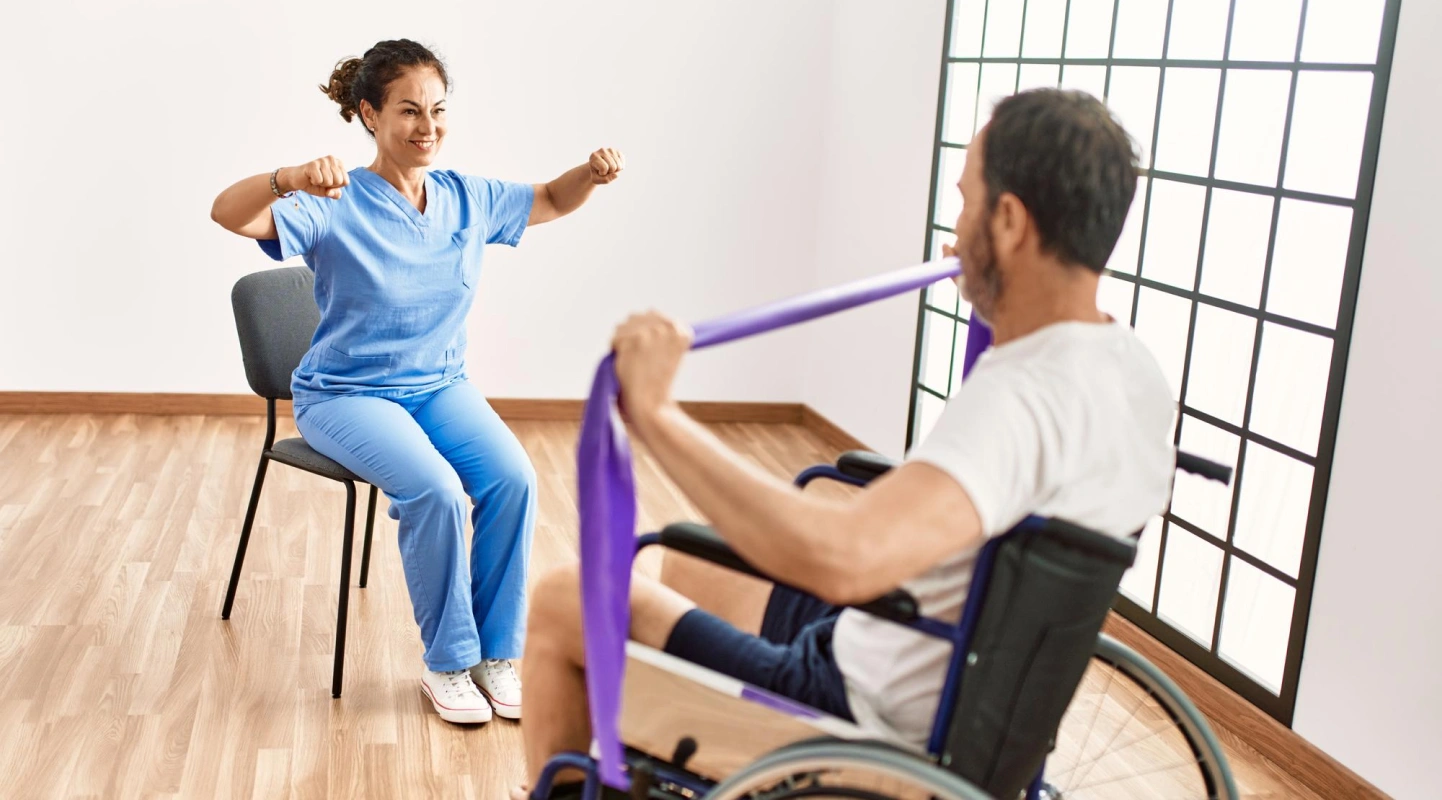
The NDIS physiotherapy market in 2026 supports over 450,000 participants, yet most physiotherapists struggle to build consistent NDIS referrals. This complete guide reveals the 5 client acquisition strategies successful physios are using to build sustainable NDIS practices, including how joining a connection platform like Carevo makes you discoverable to participants who are actively searching for physiotherapy.
Last updated: January 31, 2025 - Includes 2026-27 NDIS physiotherapy rates and network partnership opportunities
Quick Answer: Fastest Ways to Get NDIS Physio Clients
Top 3 Client Acquisition Channels:
- Provider Network Discovery - Carevo allied health network (discoverable within 2-4 weeks of onboarding)
- Support Coordinator Partnerships - Build relationships with SCs managing participant budgets
- Mobile Service Positioning - Offer in-home physio to differentiate from clinic-only providers
NDIS Physio Rates 2026-27: $183.99/hour (standardized nationally)
Average Client Acquisition Timeline:
- Provider networks: 2-4 weeks
- Support coordinator relationships: 1-3 months
- Solo NDIS Finder marketing: 3-6 months
The NDIS Physiotherapy Opportunity (2026 Market Data)
Market Overview:
- $2.8 billion allocated to NDIS allied health annually
- 55-60% of NDIS participants have physio-appropriate needs (mobility, falls prevention, rehabilitation)
- Average participant allocation: $5,000-$12,000/year for physiotherapy under Improved Daily Living
- Growing demand areas: Exercise physiology collaboration, assistive technology mobility aids, wheelchair prescription assessments
The Challenge: While demand exists, physiotherapists face intense competition. Over 4,500 NDIS-registered physiotherapy providers compete for referrals, and participants typically contact 3-5 providers before making a decision.
The Solution: Strategic positioning through provider network partnerships, mobile service delivery, and support coordinator relationships that bypass the crowded “spray and pray” NDIS Finder approach.
Why Traditional Physio Marketing Doesn’t Work for NDIS
Common mistakes physiotherapists make when trying to attract NDIS clients:
- Clinic-based thinking - NDIS participants need home visits (mobility issues, accessibility barriers)
- Competing on price - All NDIS physios charge similar rates (NDIS Price Guide max)
- Relying on NDIS Finder - Low conversion (2-5%), participants overwhelmed by choice
- No referral partnerships - Missing support coordinators and disability service providers
- Generic service description - “Physiotherapy for all NDIS participants” doesn’t stand out
The Reality: NDIS participants don’t Google “physiotherapist near me” - they ask their support coordinators who to use, search a connection platform, or engage physios recommended by providers they already trust.
This is why being discoverable through a connection platform (like Carevo) can reach NDIS participants who are actively searching, rather than relying on solo marketing alone.
5 Proven Strategies to Get NDIS Physiotherapy Clients
1. Join a Provider Network (Carevo Allied Health) - Get Discoverable Fast
How it works: Join a connection platform where NDIS participants and families search for physiotherapy. When someone in your area needs mobility assessments, falls prevention, post-surgery rehabilitation, or exercise physiology, your profile is among those they can find and contact directly.
Carevo Allied Health Network Benefits for Physiotherapists:
Discovery by Participants Actively Searching:
- Participants searching Carevo for physiotherapy in your area can find and contact you directly
- Many are already connected with other providers for support services (personal care, SIL, community access), so physio is often a natural next step
- Support coordinators also use Carevo to find providers, which can extend your reach
- Profile your specialisations so the right participants can match with you
A Profile That Works for You:
- Showcase your specialisations, service areas, and mobile capability
- Participants contact you directly through the platform; you keep control of your bookings and invoicing
- Coordinate with other allied health providers (OTs, exercise physiologists, speech pathologists) where it suits the participant
More Relevant Enquiries:
- Participants who reach out are actively seeking physiotherapy now, not cold leads
- Many physio participants need ongoing therapy, so an initial connection can become a long-term client
What to Expect:
- Timeline: discoverable to participants within 2-4 weeks of onboarding
- Volume: varies by your region, specialisation, and availability; referrals are not guaranteed
- Opportunity, not results: Carevo connects you with participants searching for physiotherapy; it does not promise a specific number of referrals, clients, or revenue
Requirements:
- NDIS registered physiotherapist (or ability to work with plan/self-managed)
- Professional indemnity and public liability insurance
- AHPRA registration current
- Mobile service capability (home visits essential for NDIS participants)
- Coverage in Sydney or Melbourne regions
Apply to Carevo Physiotherapy Network →
2. Build Support Coordinator Relationships - High-Value Referrals
Why this matters: Support coordinators manage NDIS participant budgets and recommend allied health providers. A single SC with 25 participants can generate 8-15 physio referrals per year.
Support Coordinator Partnership Strategy:
Step 1: Identify Active Support Coordinators (Target: 15-20 SCs)
Where to find SCs:
- NDIS Provider Finder (search “Support Coordination” in your region)
- LinkedIn (search “Support Coordinator [your suburb]”)
- NDIS networking events and allied health meetups
- Local disability service provider Facebook groups
Priority SCs to target:
- SCs who specialize in physical disability (stroke, spinal injury, cerebral palsy)
- SCs managing participants with mobility funding
- SCs working with pediatric participants (developmental delays, autism with motor challenges)
- SCs affiliated with disability service organizations (Feros Care, Bolton Clarke, etc.)
Step 2: Create a Professional Physio Referral Packet
What to include:
-
One-page services overview:
- Physiotherapy specializations (stroke rehab, falls prevention, pediatric, wheelchair prescription)
- Mobile service capability (home visits, equipment you bring)
- Typical participant profiles you serve best
-
NDIS pricing transparency:
- Your rates ($183.99/hr standard or negotiated for plan-managed)
- Session structure (initial assessment vs ongoing therapy)
- Report writing fees and timelines
-
Turnaround commitments:
- Initial assessment scheduling: Within 5 business days
- Progress reports: Every 6 weeks or as needed for plan reviews
- SC communication: Email update after every assessment
-
Sample documentation:
- Redacted physio assessment report (shows quality)
- Progress note template (demonstrates ongoing communication)
- SMART goal examples for common conditions
Step 3: Outreach Email Template
Subject: Physiotherapy Partner for Your NDIS Participants

Hi [SC Name],

I'm [Your Name], a registered NDIS physiotherapist specializing in [your specialization - e.g., stroke rehabilitation, pediatric motor development, falls prevention].

I'm reaching out to introduce my physiotherapy services for your participants who may benefit from mobility assessments, falls prevention, or rehabilitation support.

What makes my service valuable for your participants:
- Mobile physio service (I come to participants' homes with all equipment)
- Fast turnaround (initial assessments within 5 days of referral)
- Comprehensive reporting (progress updates every 6 weeks for your plan reviews)
- Collaborative approach (I coordinate with OTs, exercise physiologists, and support workers)

I've attached a one-page overview of my services and sample report. Would you be open to a 15-minute coffee chat to discuss how I can support your participants?

Best regards,
[Your Name]
[Phone] | [Email] | [NDIS Registration #]
Step 4: Nurture SC Relationships (Ongoing)
Monthly touchpoints:
- Email NDIS updates relevant to physio (price guide changes, new Improved Daily Living supports)
- Share success stories: “One of your referred participants achieved [outcome] through our 12-week falls prevention program”
- Offer value: “Free falls risk assessment clinic for your participants - 30 min screening”
Quarterly in-person:
- Coffee catch-ups to discuss participant needs
- Attend SC professional development events as guest speaker
- Co-present at SC team meetings about “When to Refer to Physiotherapy”
Expected Timeline:
- 3-6 months to build 10-15 strong SC relationships
- 2-4 referrals per SC per year (varies by SC caseload and participant demographics)
- Compounding effect: Year 2 brings 30-60 referrals from same 10-15 SCs as relationships deepen
Pro Tip: Support coordinators also use Carevo to find providers for their participants, so a complete Carevo profile can put you in front of coordinators while you run your own SC outreach in parallel.
3. Offer Mobile Physiotherapy Services - Key Differentiator
Why mobile physio wins NDIS referrals:
Participant reality:
- 65% of NDIS participants with mobility needs cannot easily access clinic-based physio
- Accessibility barriers: Wheelchair users, participants without transport, rural/regional participants
- Functional assessment need: Physios need to see participants in their home environment for accurate mobility assessment
- NDIS funding advantage: Participants prefer spending funding on therapy, not transport to clinic
Mobile Service Positioning:
What to offer:
- Home visit physiotherapy (your primary service delivery model)
- Equipment brought to participant’s home (resistance bands, weights, gait aids, etc.)
- Environmental assessment (home setup, furniture placement, floor surfaces affecting mobility)
- Functional task training in real environment (stairs, bathroom transfers, kitchen mobility)
Marketing messaging:
❌ Don’t say: “We offer home visits as an option” ✅ Do say: “Mobile physiotherapy specialist - I bring the clinic to your home”
❌ Don’t say: “Clinic in [suburb], home visits available” ✅ Do say: “Serving participants across [region] with mobile physiotherapy - no transport needed”
Pricing for mobile service:
- Standard NDIS rate: $183.99/hour (includes travel within 30km)
- Travel allowance: $64.66/hour (if participant is 30km+ from your base, bill up to 1 hour travel each way)
- Weekend/after-hours: $229.99/hour (+25% for evenings/weekends when mobility assessments in home are more realistic)
Competitive advantage: Most NDIS physios still operate clinic-first, home-visit-optional model. Positioning as mobile-first captures the 65% of participants who struggle with clinic access.
4. Specialize and Niche Down - Stand Out in NDIS Finder
The problem with “general physiotherapy for NDIS participants”:
- Competes with 4,500+ other NDIS physios
- No clear value proposition
- Participants can’t assess which physio is best for their specific condition
The solution: Specialize in 1-2 NDIS physio niches
High-Demand NDIS Physio Specializations:
1. Stroke and Acquired Brain Injury Rehabilitation
- Target participants: Post-stroke, traumatic brain injury, hypoxic brain injury
- NDIS funding: High allocation ($10,000-$20,000/year for intensive rehabilitation)
- Positioning: “Neurological physiotherapy specialist for stroke and ABI recovery”
- Key services: Gait retraining, upper limb function, balance and falls prevention
2. Pediatric Developmental Physiotherapy
- Target participants: Autism with motor delays, cerebral palsy, developmental coordination disorder
- NDIS funding: Early childhood intervention (0-7 years) + school-age supports
- Positioning: “Pediatric physio specialist for motor development and coordination”
- Key services: Gross motor skill development, sensory motor integration, play-based therapy
3. Spinal Cord Injury and Wheelchair Mobility
- Target participants: Spinal cord injury, muscular dystrophy, complex mobility needs
- NDIS funding: Assistive technology (wheelchair prescription), ongoing mobility optimization
- Positioning: “Wheelchair and mobility specialist physiotherapist”
- Key services: Wheelchair assessment and prescription, pressure care, functional mobility training
4. Falls Prevention and Frailty (Aged Care + NDIS)
- Target participants: Older NDIS participants (65+), participants with balance disorders
- NDIS funding: Improved Daily Living, AT for gait aids
- Positioning: “Falls prevention specialist for NDIS and Support at Home participants”
- Key services: Falls risk assessment, strength and balance programs, gait aid prescription
5. Complex Care and High-Intensity Supports
- Target participants: Participants requiring 24/7 support, SIL residents, complex medical needs
- NDIS funding: High allocation ($15,000+/year for participants with complex needs)
- Positioning: “Complex care physiotherapist for high-needs NDIS participants”
- Key services: Respiratory physio, spasticity management, contracture prevention
How to implement specialization:
Update NDIS Provider Finder:
- Service description: “[Specialization] - I specialize in physiotherapy for [participant type]”
- Example: “Neurological Physiotherapy - Stroke & Brain Injury Rehabilitation Specialist”
Website and Google Business:
- Home page headline: “[Specialization] Physiotherapist | NDIS Registered | [Region]”
- Service pages for each specialization with detailed descriptions
Support coordinator communication:
- Position yourself as “the physio for [condition]” rather than generalist
- SCs remember specialists for specific participant needs
Expected impact:
- Conversion rate increase: 15-20% → 35-45% (participants seeking specialist find clear match)
- Referral quality: Higher-value participants with specific needs you excel at serving
- Word-of-mouth: Specialists get recommended (“You need a stroke physio? Call [Your Name]“)
5. Partner with Disability Service Organizations - Embedded Referrals
How it works: Disability service organizations deliver support services to hundreds of NDIS participants. These participants often need physiotherapy but don’t know how to find a physio or which one to choose. Connection platforms like Carevo, and the providers they work with, can point participants to trusted physios in the network.
Types of disability service organizations to partner with:
1. SIL Providers (Supported Independent Living)
- Participants: Living in group homes, 24/7 support, often with complex mobility needs
- Physio needs: Falls prevention, manual handling assessments, mobility optimization
- Partnership model: Quarterly physio reviews for all SIL residents, on-call for injuries/assessments
- Carevo connects participants with SIL providers - network physios can provide regular reviews
2. Community Access Providers
- Participants: Accessing community activities, social outings, recreation programs
- Physio needs: Mobility assessments for community participation, falls prevention
- Partnership model: Pre-activity physio clearance, group exercise programs
3. Personal Care Providers
- Participants: Receiving in-home personal care, domestic assistance
- Physio needs: Mobility optimization, safe transfer training for support workers
- Partnership model: Physio training for support workers, participant mobility assessments
- Carevo connects participants with personal care providers - network physios can train support workers on safe manual handling
4. Plan Management Organizations
- Participants: Using plan managers to handle NDIS invoicing
- Physio needs: Reliable providers who invoice correctly
- Partnership model: Preferred provider list, fast payment processing
How to approach disability service organizations:
Email template:
Subject: Physiotherapy Partnership for Your NDIS Participants

Hi [Organization Contact],

I'm [Your Name], a registered NDIS physiotherapist specializing in [specialization] and serving participants across [region].

I noticed that [Organization] supports NDIS participants with [service type], many of whom likely need physiotherapy for mobility, falls prevention, or rehabilitation.

I'd like to explore a partnership where I can provide:
- Regular physio assessments for your participants (quarterly reviews or as-needed)
- Training for your support workers on safe manual handling and mobility assistance
- Responsive service for participant injuries or mobility changes
- Coordinated care with your support coordinators and care managers

Would you be open to a brief call to discuss how physiotherapy can enhance the care you provide?

Best regards,
[Your Name]
[Phone] | [NDIS Registration #]
Expected timeline:
- 6-12 months to establish organizational partnerships
- 2-5 referrals per quarter per organization (varies by organization size)
- Long-term value: Once embedded, consistent monthly referrals for years
Fastest path: Join Carevo to become discoverable to participants who are actively searching for providers, rather than spending 6-12 months building your own organizational partnerships from scratch.
NDIS Physiotherapy Funding and Pricing (2026-27)
Where physio funding comes from in NDIS plans:
1. Improved Daily Living (Capacity Building) - Primary Physio Funding
- Covers: Physiotherapy assessments, ongoing therapy, mobility training
- Typical allocation: $5,000-$12,000/year for participants with moderate mobility needs
- $15,000-$25,000/year for participants with complex needs (stroke rehab, SCI)
2. Assistive Technology (Capital Supports) - AT Assessments
- Physio role: Assess and prescribe mobility aids (wheelchairs, gait aids, standing frames)
- Report fees: 3-6 hours of physio time ($552-$1,104 per AT report)
3. Home Modifications (Capital Supports) - Mobility Access Assessments
- Physio role: Assess functional mobility needs for home modifications (ramps, bathroom, doorways)
- Often collaborative with OT (OT leads, physio provides mobility input)
NDIS Physiotherapy Rates (2026-27 Price Guide):
Standard Physiotherapy:
- Weekday standard hours: $183.99/hour
- Short notice (48hrs): $229.99/hour (+25%)
- Evenings (6pm-8am): $275.99/hour (+50%)
- Weekends: $229.99/hour (+25%)
- Public holidays: $367.98/hour (+100%)
Travel Allowance:
- Rate: $64.66/hour
- When billable: Participant is 30km+ from your registered business address
- Maximum: 1 hour each way (total 2 hours travel per visit)
Report Writing:
- Rate: $183.99/hour
- AT assessment report: 3-5 hours ($552-$920)
- Mobility assessment report: 2-4 hours ($368-$736)
- Progress reports for SC: 1-2 hours ($184-$368)
Pricing Strategy Recommendations:
For Agency-Managed Participants:
- Charge NDIS Price Guide maximum ($183.99/hr) - non-negotiable
For Plan-Managed Participants:
- Start at $183.99/hr
- Negotiate to $175-$185/hr if participant requests and you have capacity
- Use lower rate strategically to win high-value participants (complex needs, long-term therapy)
For Self-Managed Participants:
- Offer package pricing: “12-week stroke rehab program: $2,900” (equivalent to $181/hr for 16 hours)
- Flexibility attracts self-managed participants who budget carefully
Mobile Service Premium:
- Don’t charge extra for mobile service (it’s your standard model)
- Market as “included” (competitive advantage over clinic-based physios)
- Bill travel allowance only if 30km+ from base
How to Join Carevo Physiotherapy Network
Network Membership Benefits:
Discovery by Participants:
- A profile that participants searching for physiotherapy in your area can find and contact directly
- Many participants are actively seeking physio now, not cold leads
- Long-term potential (many physio participants need ongoing therapy, so initial connections can become lasting clients)
- Referral flow varies by region, specialisation, and availability and is not guaranteed
Support Coordinator Visibility:
- Support coordinators also use Carevo to find providers for their participants
- A complete profile is discoverable to coordinators searching the platform
Collaboration Opportunities:
- Coordinate with other allied health providers (OTs, exercise physiologists, speech pathologists) on the platform where it suits the participant
- Connect with participants who already work with other providers, so physio fits alongside their existing supports
A Profile You Control:
- Showcase your specialisations, service areas, and mobile capability
- Participants contact you directly; you manage your own bookings and invoicing
Requirements:
Essential:
- NDIS registration as physiotherapist (or work with plan/self-managed participants)
- AHPRA registration current and in good standing
- Professional indemnity insurance ($2M-$5M cover is typical)
- Public liability insurance ($10M-$20M cover)
- NDIS Worker Screening Check (valid)
- Mobile service capability (home visits are essential)
Preferred:
- Specialization in high-demand area (stroke, pediatric, SCI, falls prevention)
- Experience with NDIS participants (not essential if strong clinical skills)
- Vehicle suitable for mobile service (equipment transport)
- Coverage in Sydney Western suburbs or Melbourne South East (highest participant density)
Specializations We’re Seeking:
- Neurological physiotherapy (stroke, ABI, SCI)
- Pediatric developmental physiotherapy
- Falls prevention and balance (aged care + NDIS overlap)
- Respiratory physiotherapy (complex care participants)
- Wheelchair and mobility specialists
Application Process:
Step 1: Expression of Interest
- Email: [email protected]
- Subject: “Allied Health Network - Physiotherapy Application”
- Include: CV, NDIS registration, service areas, specializations, mobile service capability
Step 2: Phone Interview (20-30 minutes)
- Clinical background and specializations
- Mobile service setup and equipment
- Availability and service coverage areas
Step 3: Documentation Verification
- NDIS registration certificate
- AHPRA registration
- Insurance certificates (PI and PL)
- NDIS Worker Screening Check
- Professional references (2 required)
Step 4: Network Onboarding (2 hours)
- Carevo platform overview and how participants search for providers
- How participants find and contact you
- Profile optimisation (specialisations, service areas, mobile capability)
- NDIS invoicing guidance (correct line items, common errors to avoid)
Step 5: Going Live
- Your profile is typically discoverable within 2-4 weeks of completing onboarding
- First enquiries depend on local demand and are not guaranteed
Timeline: Application to live profile: 3-6 weeks; first enquiries depend on local demand
Apply to Carevo Physiotherapy Network →
NDIS Physio Client Acquisition Action Plan
Month 1: Foundation Setup
- Apply to Carevo allied health network
- Optimize NDIS Provider Finder (specialization, mobile service positioning)
- Create SC referral packet (services, pricing, turnaround times)
- Set up Google Business Profile (mobile physio specialist keywords)
Month 2: Relationship Building
- Identify 15 support coordinators in your region
- Send SC referral packets and request coffee meetings
- Attend 1-2 NDIS networking events
- Complete Carevo network onboarding (if accepted)
Month 3: Scaling Referrals
- Follow up with SCs (monthly NDIS update emails)
- Respond to NDIS Finder inquiries within 2 hours
- Track referral sources (which channels drive best clients)
- Create 2 blog posts targeting NDIS physio keywords
Ongoing (Monthly):
- SC relationship touchpoints (1-2 coffee meetings/month)
- NDIS Finder optimization (update specializations, service areas)
- Content creation (1 blog post or participant guide/month)
- Network with other allied health (OTs, exercise physiologists for collaborative referrals)
Frequently Asked Questions
How long does it take to get first NDIS physio client?
Timeline by acquisition channel:
- Provider network (Carevo): discoverable to participants within 2-4 weeks of onboarding; first enquiries depend on local demand and are not guaranteed
- Support coordinator partnerships: 1-3 months to build relationships
- NDIS Finder: 2-8 weeks for first inquiry (conversion varies)
- Organizational partnerships: 3-6 months
Recommended: Use a provider network to become discoverable quickly while building SC relationships for long-term sustainability.
Do I need to offer mobile physiotherapy or can I stay clinic-based?
For NDIS success, mobile service is essential. 65% of NDIS participants with mobility needs cannot easily access clinic-based physio due to:
- Wheelchair accessibility barriers
- Transport challenges
- Cognitive impairments (unfamiliar clinic environments cause anxiety)
- Need for functional assessment in home environment
Clinic-only physios get 30-40% fewer NDIS referrals than mobile-capable physios. Support coordinators preferentially refer to mobile physios because it solves participant access problems.
Minimum mobile service model:
- Home visits as primary delivery (80%+ of sessions)
- Clinic available for participants who prefer it (20%)
- Equipment portable (resistance bands, weights, gait aids fit in car)
Can I join Carevo network if I’m not NDIS registered?
Yes, with conditions. If you’re not NDIS registered, you can still work with:
- Plan-managed participants
- Self-managed participants
You cannot work with agency-managed (NDIA-managed) participants until you are NDIS registered.
Many participants who search through Carevo are plan-managed or self-managed, so you can be discoverable to them while you complete registration.
We recommend: Start the NDIS registration process (3-6 months) while working with plan-managed and self-managed participants.
How many referrals will I get from Carevo?
Carevo offers opportunity, not guaranteed volume. Joining makes you discoverable to NDIS participants who are searching for physiotherapy in your area. How often you are matched depends on factors you influence and factors you do not:
Your availability:
- More hours and faster responses let you take on more of the participants who reach out
Your specialisation:
- High-demand areas like stroke, pediatric, and spinal cord injury tend to attract more searches
Your region:
- Demand varies by location and by how many other physios are available nearby
Note: Referral flow fluctuates with participant demand and is not guaranteed. Carevo does not promise a specific number of referrals, clients, or revenue.
What’s the difference between Carevo network vs other allied health networks?
What makes Carevo different:
1. A two-sided connection platform:
- Participants and families search Carevo directly for the services they need
- You become discoverable to people actively looking for physiotherapy, not cold leads
- Many participants are already connected with other providers for support services, so physio is often a natural next step
2. Support coordinator visibility:
- Support coordinators also use Carevo to find providers for their participants
- This can extend your reach beyond participants who search directly
3. Active demand, not spray and pray:
- Participants reach out because they are looking for a physio now
- This tends to mean more relevant enquiries than broad directory listings
Carevo offers the opportunity to be matched with participants searching for your service. It does not guarantee referral volume, client numbers, or revenue.
Next Steps: Build Your NDIS Physio Practice
The fastest path to NDIS physiotherapy success:
- Join a provider network (discoverable within 2-4 weeks of onboarding)
- Build SC relationships (compounding referrals over 12-24 months)
- Position as mobile specialist (differentiate from clinic-based physios)
- Optimize NDIS Finder (passive lead generation)
Start with Step 1:
Apply to Carevo Physiotherapy Network →
Email: [email protected] Subject: “Physiotherapy Network Application” Include: CV, NDIS registration, specializations, service areas
Guide last updated January 31, 2025 with 2026-27 NDIS physiotherapy rates and current network opportunities. NDIS policies may change - verify current information at ndis.gov.au.
Find the right provider through Carevo
Answer a few quick questions and get matched with providers who fit your needs. Free, no obligation.
Need Support Workers?
Who is the care for?
Takes 30 seconds. Free, no obligation.
Co-founder & CTO
Buddhika is the co-founder and CTO of Carevo, with more than 15 years in software engineering. Before Carevo he was an engineer at Coviu, the Australian telehealth platform spun out of CSIRO that is now used by 100,000+ allied health professionals to deliver care to NDIS participants and aged-care recipients.