Low-Cost Assistive Technology: NDIS Guide 2026

Buddhika Jayawardhana
Co-founder & CTO
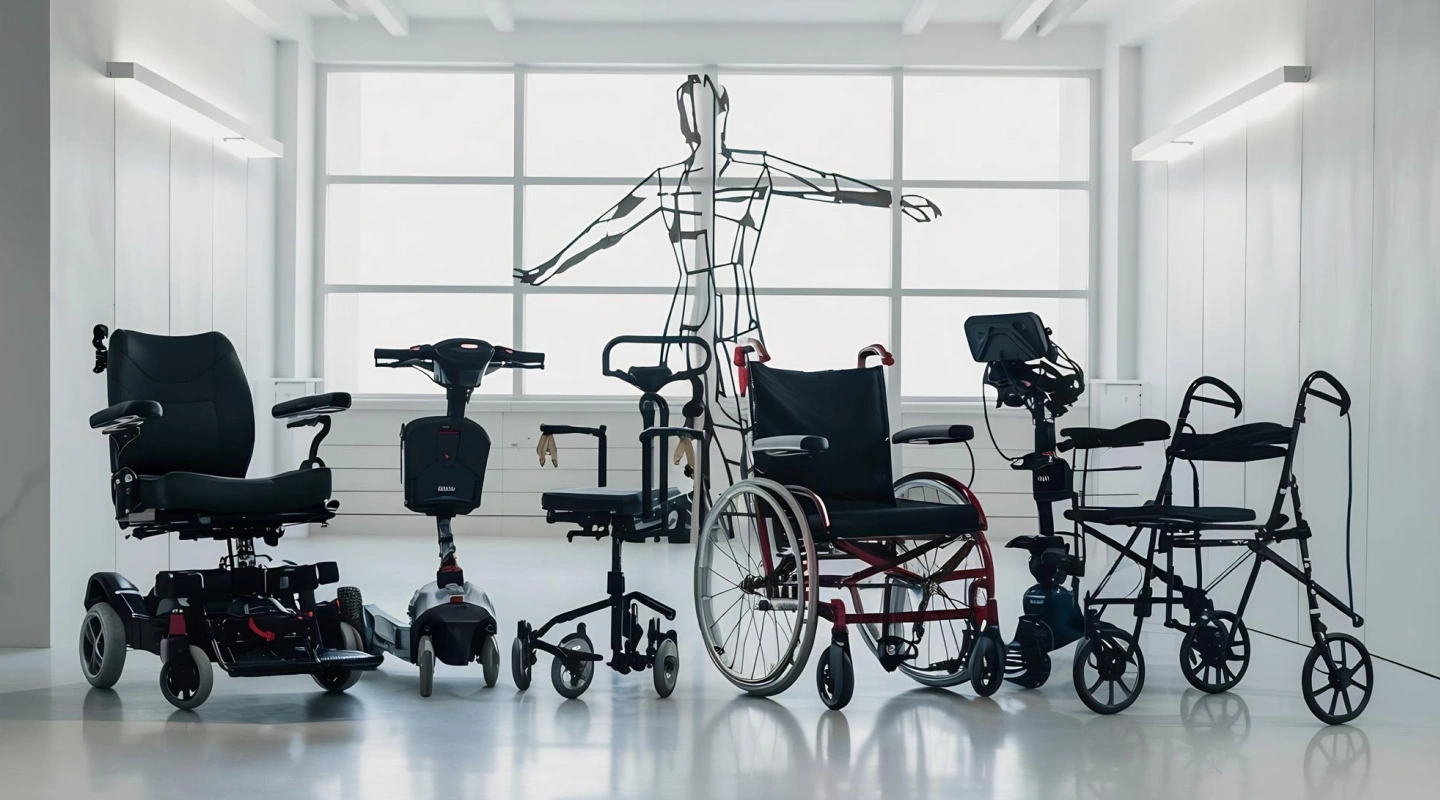
Low-cost assistive technology (under $1,500) can be purchased immediately without quotes or assessments under NDIS. This guide lists AT you can buy now, where to shop, and how to claim from NDIS.
Recent Federal Court ruling strengthens AT funding rights
In March 2026, the Federal Court ordered NDIA to fund a mobility scooter for Lee Eastham, overturning the agency’s 2022 denial. The decision has been described as “extremely significant” for NDIS participants seeking equipment funding.
What happened:
- Eastham requested a mobility scooter in 2022
- NDIA denied the request
- Federal Court overturned NDIA’s decision
- Court ordered NDIA to fund the scooter
Why this matters: This ruling sets a legal precedent for NDIS equipment funding appeals. If NDIA denies your AT request (whether low-cost or high-cost), you now have stronger grounds to challenge the decision through appeals or court action.
What to do if your AT is denied:
- Request written reasons for the denial
- Lodge an internal review with NDIA (free, 3 months deadline)
- If still denied, contact the Administrative Review Tribunal (ART)
- Keep all documentation (requests, assessments, receipts)
- Consider legal advice for high-cost items
What is low-cost AT under NDIS?
Low-cost AT = assistive technology under $1,500 per item.
Rules for low-cost AT:
- ✅ No quotes required (just buy it)
- ✅ No OT assessment needed
- ✅ Purchase immediately
- ✅ Claim from NDIS after purchase (or invoice plan manager)
- ✅ Keep receipts
Examples:
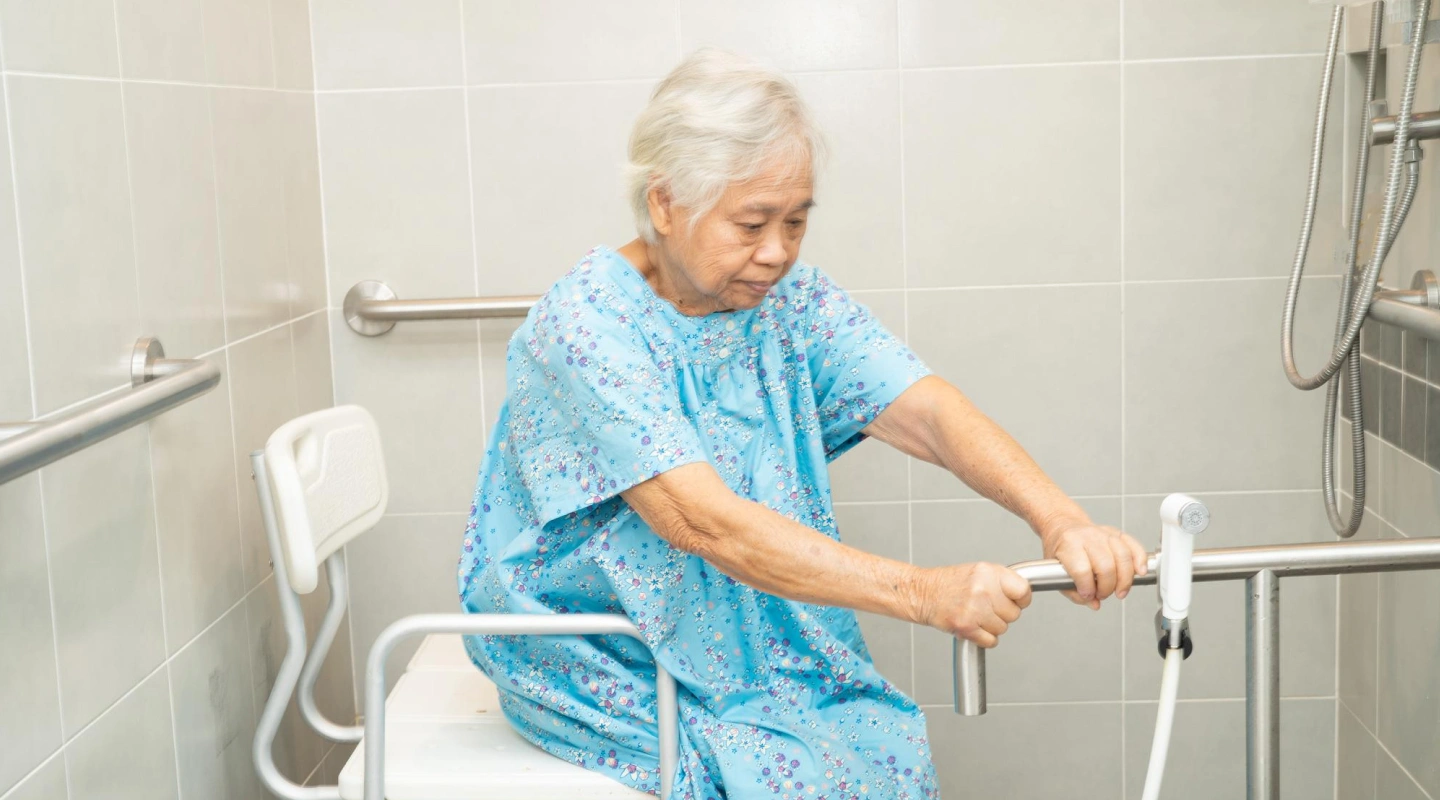
- Shower chair: $200-800
- Grab rails: $50-200
- Walking frame: $150-400
- Reacher/grabber: $20-60
- Non-slip mats: $30-80
- Kitchen aids (one-handed tools): $40-150
NOT low-cost AT (over $1,500):
- Power wheelchairs ($25,000+)
- Communication devices ($8,000+)
- Ceiling hoists ($12,000+)
- These require quotes and assessments
Where to buy low-cost AT
Online suppliers:
- Independent Living Centres: ilcaustralia.org.au
- Mobility Shop: mobilityshop.com.au
- Enable Your Life: enableyourlife.com.au
- LifeTec: lifetec.org.au
- Everyday Independence: everydayindependence.com.au
In-person stores:
- Chemist Warehouse (basic aids)
- Terry White Chemmart
- Medical supply stores
- Mobility equipment shops
What to buy:
- Choose NDIS-approved suppliers (check NDIS Provider Finder)
- Keep itemized receipts
- Ensure product is disability-related (not general use)
How to claim low-cost AT from NDIS
Self-managed:
- Buy AT from supplier
- Keep receipt
- Submit claim via myplace portal or app
- NDIS reimburses to your bank (7-14 days)
Plan-managed:
- Buy AT
- Send receipt to plan manager
- Plan manager pays you back (or pays supplier directly if arranged)
Agency-managed:
- Must buy from NDIS-registered supplier
- Supplier invoices NDIS directly
- You pay nothing (if under funding limits)
Line item: Use “15” (Assistive Technology) when claiming
Top 20 low-cost AT items to improve independence
Bathroom:
- Shower chair ($200-800)
- Grab rails ($50-200 per rail)
- Non-slip bath mat ($30-80)
- Raised toilet seat ($100-250)
- Long-handled bath brush ($40-80)
Mobility:
- Walking frame ($150-400)
- Walking stick ($50-150)
- Wheelchair cushion ($200-600)
- Transfer board ($120-300)
Kitchen:
- One-handed cutting board ($60-120)
- Easy-grip utensils ($40-100 set)
- Jar opener ($20-50)
- Non-slip mats ($15-40)
- Reacher/grabber ($20-60)
Daily living:
- Dressing stick ($25-60)
- Button hook ($15-40)
- Sock aid ($20-50)
- Long-handled shoe horn ($30-70)
Communication:
- Amplified phone ($150-400)
- Large-button remote ($80-200)
Use our AT Budget Calculator to estimate total costs.
Looking for providers? Find daily living and kitchen aid providers, personal emergency alarm providers, or book a full assistive technology assessment to identify everything you need.
Find the right provider through Carevo
Answer a few quick questions and get matched with providers who fit your needs. Free, no obligation.
Need Plan Management?
Who is the care for?
Takes 30 seconds. Free, no obligation.
Co-founder & CTO · Updated
Buddhika is the co-founder and CTO of Carevo, with more than 15 years in software engineering. Before Carevo he was an engineer at Coviu, the Australian telehealth platform spun out of CSIRO that is now used by 100,000+ allied health professionals to deliver care to NDIS participants and aged-care recipients.