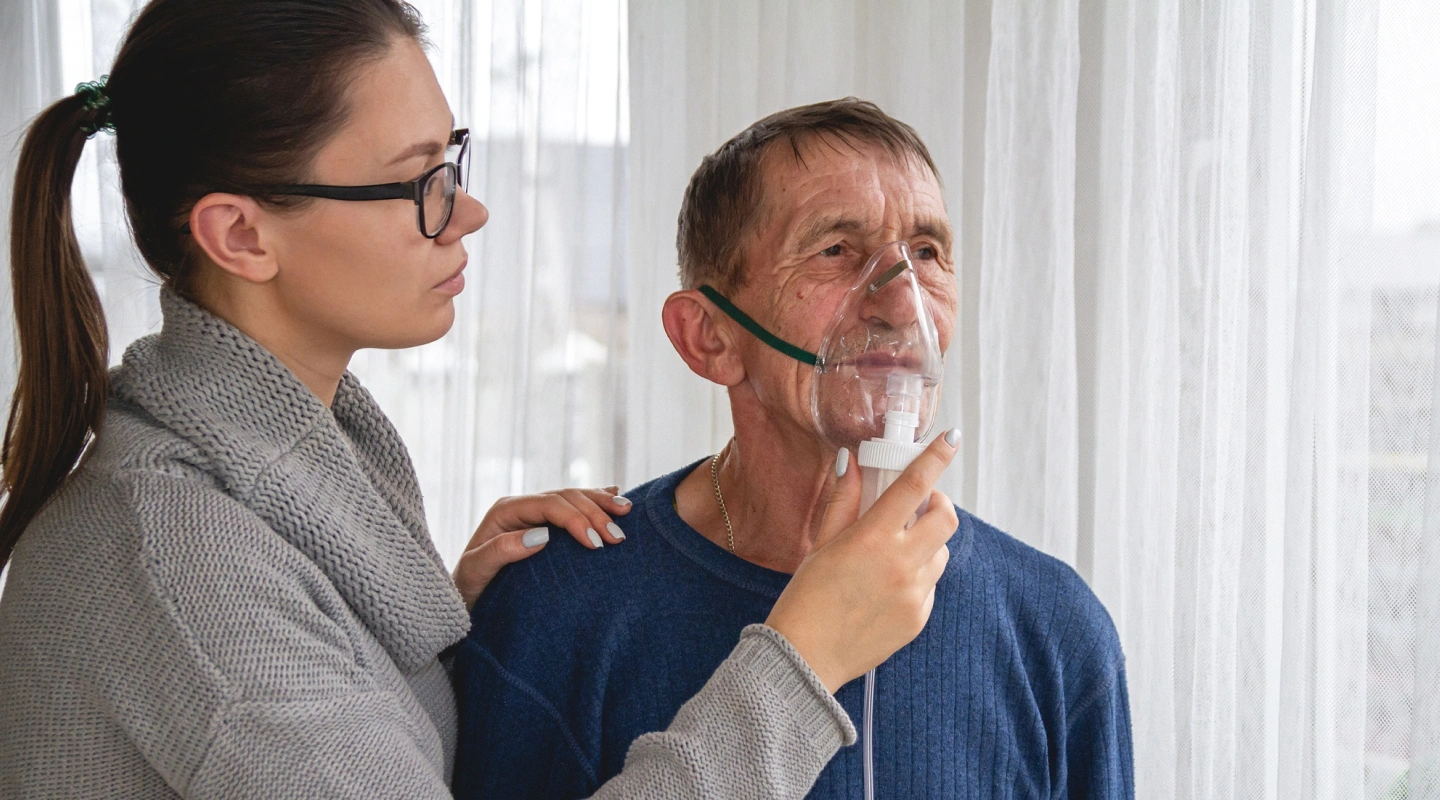
Aboriginal and Torres Strait Islander Pathways in Aged Care Access
Andre Smith
Co-founder & CEO

Why a Separate Pathway Matters
Aboriginal and Torres Strait Islander people experience significantly different health trajectories than the broader Australian population. Life expectancy is lower, and age-related conditions such as chronic disease, reduced mobility, and cognitive changes often appear a decade or more earlier. The aged care system recognises this with an adjusted eligibility age and specific funding programs.
This guide explains how the aged care access pathway works for First Nations people, what culturally safe services look like, and how to find providers who can genuinely meet your needs.
Lower Eligibility Age: From 50
The standard eligibility age for government-funded aged care in Australia is 65. Aboriginal and Torres Strait Islander people can access the same system from age 50.
This applies to:
- The Commonwealth Home Support Programme (CHSP)
- Home care packages (and the new Support at Home program from 1 November 2025)
- Residential aged care
- ACAT (Aged Care Assessment Team) assessments, now known in some states as Aged Care Assessment Services
If you are 50 or older and Aboriginal or Torres Strait Islander, you can contact My Aged Care on 1800 200 422 to begin the access process.
Starting the Process: My Aged Care
My Aged Care is the national entry point for all Commonwealth-funded aged care. When you call or register online, tell them you are Aboriginal or Torres Strait Islander and your age. This ensures you are assessed under the correct eligibility threshold.
What happens after you contact My Aged Care:
- A My Aged Care contact centre staff member completes a brief telephone screening
- If eligible, you are referred to a regional assessment service for a face-to-face assessment
- The assessment determines your eligibility and recommends which services or package level you qualify for
- You are linked to a provider or placed on a waitlist
You have the right to have a support person present during any assessment. An ACCHO (see below) can often arrange someone to accompany you.
Aboriginal Community Controlled Health Organisations (ACCHOs)
ACCHOs are the foundation of First Nations health care in Australia. They are controlled by and for the Aboriginal communities they serve, and they operate under principles of community governance, cultural safety, and self-determination.
Most ACCHOs offer primary health care, but many also:
- Help clients navigate My Aged Care referrals
- Arrange transport to health and assessment appointments
- Provide or refer to aged care support workers
- Advocate for clients when mainstream services are not meeting their needs
- Employ Aboriginal community workers who understand local customs and kinship structures
The National Aboriginal Community Controlled Health Organisation (NACCHO) represents over 145 ACCHOs across Australia. You can find your nearest ACCHO through the NACCHO website or by calling the ACCHO in your region directly.
The National Aboriginal and Torres Strait Islander Flexible Aged Care Program
The Australian Government funds a specific aged care program for First Nations people called the National Aboriginal and Torres Strait Islander Flexible Aged Care Program (NATSIFACP).
NATSIFACP providers are approved to deliver both residential and flexible in-home aged care in a culturally appropriate way. Many operate in remote areas where mainstream providers have little or no presence.
Key features of NATSIFACP:
- Funding is flexible, allowing providers to adapt services to community needs
- Services are delivered on Country where possible
- Providers are assessed against cultural safety standards
- Residential care under NATSIFACP is typically community-based and smaller in scale than mainstream facilities
- Providers include ACCHOs, mission organisations, and community-controlled aged care organisations
To find a NATSIFACP provider in your area, contact My Aged Care or your regional ACCHO.
What Cultural Safety Means in Aged Care
Cultural safety is not a box-ticking exercise. It means that Aboriginal and Torres Strait Islander people can access services without experiencing racism, without having to educate their carer about their identity, and without compromising their cultural practices and connections.
In aged care, cultural safety looks like:
Language. Support workers who speak the client’s language, or access to interpreters when needed.
Country and connection. Respecting the significance of a person’s connection to Country, including in care planning decisions about relocation or residential placement.
Kinship and family. Recognising that family structures and decision-making often differ from the nuclear family model embedded in many care systems. Aunties, uncles, and community members may be as important as immediate family in care decisions.
Spiritual and cultural practices. Allowing space for ceremony, cultural activities, and practices that are important to the individual.
Food and diet. Understanding that traditional foods may be important to wellbeing, and not assuming a standard menu is culturally appropriate.
Same-gender care. Particularly important for women in communities where mixed-gender personal care is not culturally acceptable.
When choosing a provider, ask directly about their cultural safety policies and whether they employ Aboriginal or Torres Strait Islander staff.
Mainstream vs. Community-Controlled: Choosing a Provider
You may have a choice between mainstream aged care providers and community-controlled or culturally specific providers. Both can deliver quality care, but there are differences worth knowing.
| Factor | Mainstream Providers | Community-Controlled Providers |
|---|---|---|
| Cultural knowledge | Varies. Training-based, not always embedded | Often embedded through community governance |
| Aboriginal staff | Varies. May be limited | Often a priority in recruitment |
| Location | Wide coverage, especially urban | Strongest in remote and regional areas |
| Language support | Usually via interpreter services | May have in-house language capacity |
| Cultural protocols | May require your guidance | Often built into practice |
| Advocacy | Standard complaints processes | Direct community accountability |
Neither type is universally better. The best provider is the one that understands your specific needs, respects your culture, and communicates clearly.
Remote and Very Remote Access
Aged care access in remote and very remote communities is significantly harder than in cities or regional centres. Known barriers include:
- Limited number of approved providers in remote areas
- Transport distances to assessments and services
- Workforce shortages, including difficulty attracting and retaining workers
- Telecommunications limitations affecting telehealth options
- Lack of appropriate housing for residential care close to Country
Practical approaches for remote communities:
- Contact your regional ACCHO first. They are often the most effective entry point and can expedite referrals.
- Ask My Aged Care about outreach assessment options if travelling to an assessment site is not feasible.
- Enquire about NATSIFACP providers specifically designed for remote service delivery.
- Ask about the Commonwealth’s flexible service delivery funding, which allows some providers to combine services or deliver them differently in remote settings.
Advocating When Things Go Wrong
If your aged care services are not culturally safe, not being delivered as agreed, or are simply not meeting your needs, you have the right to complain.
Options:
Speak with your provider first. Raise your concerns directly and ask for a written response. This creates a record.
Contact the Aged Care Quality and Safety Commission. The Commission handles complaints about aged care providers. You can call 1800 951 822.
Seek support from your ACCHO. Community workers and health advocates at your ACCHO can help you navigate complaints processes and advocate on your behalf.
Contact the National Aboriginal and Torres Strait Islander Aged Care Quality Alliance. This organisation works specifically on aged care quality for First Nations people.
Request an advocate through the National Aged Care Advocacy Program (NACAP). Independent advocates are funded by the government to assist people navigating aged care disputes.
Common Barriers and How to Address Them
Not knowing you are eligible. Many Aboriginal and Torres Strait Islander people over 50 do not know they can access aged care services. Talking to your ACCHO or GP is a good first step.
Distrust of government systems. Given Australia’s history, wariness about engaging with government-administered services is understandable. ACCHOs exist partly to bridge this gap. They can accompany you through assessments and help you navigate the system on your terms.
Assessment language and comprehension. IAT and ACAT assessments may use language that is unfamiliar or difficult to navigate. You have the right to have an interpreter, a support person, or an advocate present at any assessment.
Geographic isolation. Contact your regional ACCHO before My Aged Care. They often have established relationships with assessors and providers and can accelerate processes that would otherwise take months.
Frequently Asked Questions
At what age can Aboriginal and Torres Strait Islander people access aged care?
Aboriginal and Torres Strait Islander people can access the aged care system from age 50, compared to 65 for non-Indigenous Australians. This lower threshold reflects the significant difference in life expectancy and the earlier onset of age-related health conditions in First Nations communities. For ACAT or Aged Care Assessment Service assessments, you can request an assessment from age 50.
What is an ACCHO and how can it help with aged care access?
An Aboriginal Community Controlled Health Organisation (ACCHO) is a primary health care service governed by and for the Aboriginal community it serves. ACCHOs can help with referrals to My Aged Care, arrange transport to assessments, provide culturally appropriate support workers, and advocate on your behalf if your needs are not being met by mainstream aged care providers.
Can I receive aged care services on Country?
Yes, though availability depends on your location. Some remote and regional providers deliver services on Country, including outreach support workers and nursing visits. The Commonwealth Home Support Programme (CHSP) has specific funding for flexible and remote service delivery. ACCHOs in your region are the best starting point for understanding what is available locally.
What if I want my aged care support workers to be Aboriginal?
You can request that your provider assign Aboriginal or Torres Strait Islander support workers where available. This is a reasonable cultural safety request. Not all providers will be able to meet this request in all locations, but you can include it in your service agreement negotiations. Some ACCHOs and community-based providers specifically employ Aboriginal workers.
Is there extra government funding for Aboriginal and Torres Strait Islander aged care services?
Yes. The Australian Government funds a range of programs specifically for First Nations aged care, including the National Aboriginal and Torres Strait Islander Flexible Aged Care Program (NATSIFACP). These programs support culturally appropriate residential and flexible in-home care, particularly in remote areas where mainstream services are limited or absent.
What languages can aged care services be delivered in for Aboriginal and Torres Strait Islander people?
This depends on the provider and your location. Some ACCHOs and community providers have staff who speak local First Nations languages. The Translating and Interpreting Service (TIS National) is available for telephone interpreting in many languages, including some Aboriginal languages. Request language support when you contact My Aged Care or your provider.
Find the right provider through Carevo
Answer a few quick questions and get matched with providers who fit your needs. Free, no obligation.
Need Support Workers?
Who is the care for?
Takes 30 seconds. Free, no obligation.
Co-founder & CEO · Updated
Andre is the co-founder and CEO of Carevo. He holds a Bachelor of Commerce, majoring in Marketing, and a Bachelor of Arts from UNSW Sydney, where his majors were International Relations, Politics, Information Systems, and Media and Communications, graduating in 2014, and went through the UNSW 10x Founders accelerator in 2023.