
Epilepsy Safety Plan at Home: Seizure Response, Support Worker Training, and Family Coordination

Gemma Foxton
Customer Lead
Key Points
- An Epilepsy Management Plan (EMP) is the foundation of home safety; it is specific to the individual and must be shared with and trained on by every support worker, family carer, and relevant person
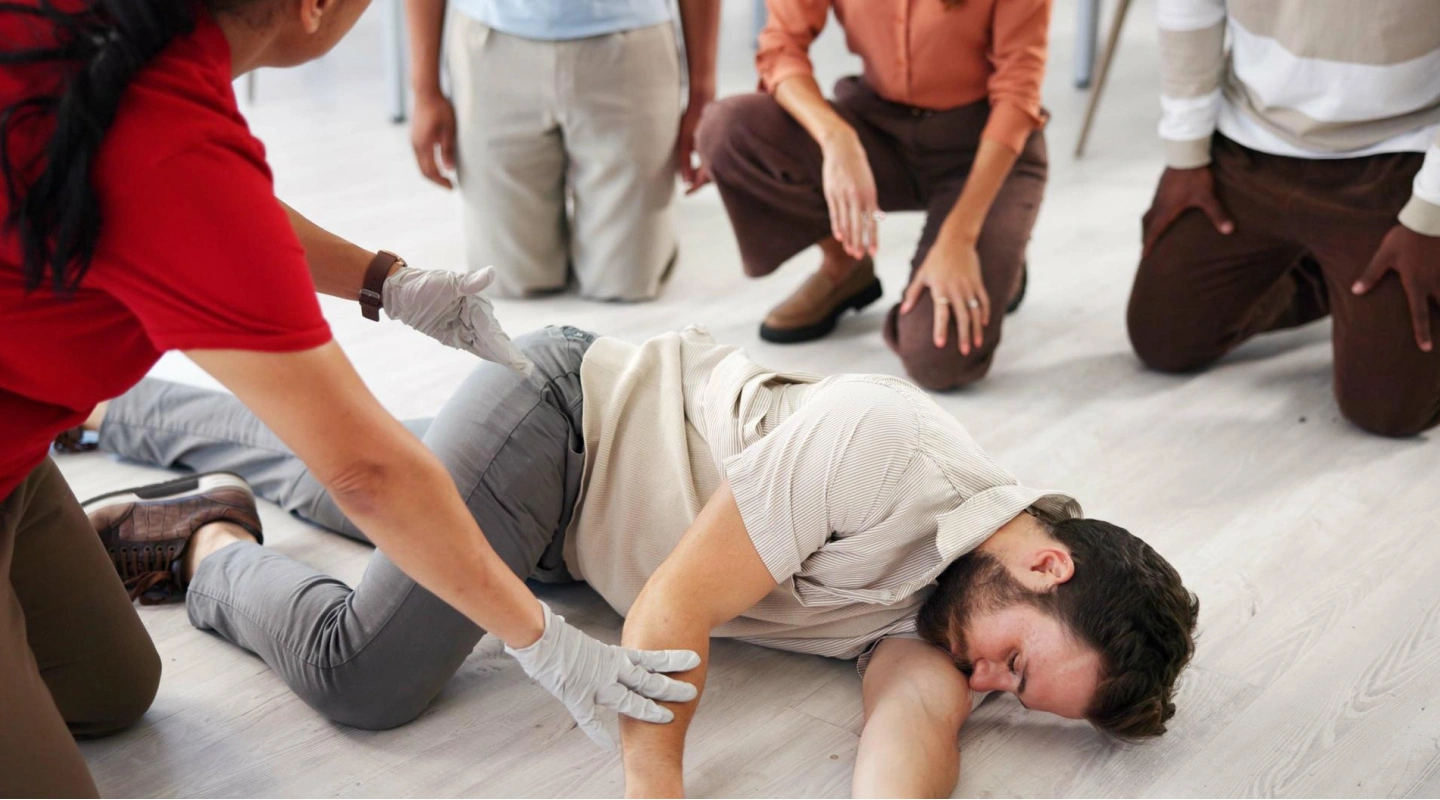
- Basic tonic-clonic seizure first aid: time the seizure, protect the head, do not restrain, do not put anything in the mouth, place in recovery position as jerking subsides; call 000 if the seizure exceeds 5 minutes
- Rescue medication (buccal midazolam or intranasal diazepam) requires a prescription, a medication administration plan, and documented individual training for each support worker; never administer without these
- Water is the highest-risk environment for epilepsy; showering is preferred over bathing; swimming requires a physically present carer; bathroom doors should not be locked
- NDIS funds support workers trained in seizure management, nursing, OT home safety assessment, and behaviour support; training delivery for new support workers can be included in NDIS plans
- Epilepsy Action Australia’s helpline (1300 37 45 37) is staffed by epilepsy nurses 24 hours and is available for support workers, families, and carers with questions about seizure management
Epilepsy at Home
Epilepsy is a neurological condition characterised by a tendency to have recurrent seizures. Seizures occur when electrical activity in the brain becomes disrupted, causing a temporary change in consciousness, behaviour, sensation, or movement. Epilepsy is one of the most common serious neurological conditions, affecting approximately 250,000 Australians.
Epilepsy is highly variable: some people have rare, brief seizures that minimally affect daily life; others have frequent, severe seizures that significantly restrict independence, work, driving, and participation. Approximately 30% of people with epilepsy have drug-resistant epilepsy, meaning seizures are not adequately controlled despite trying multiple medications.
Most people with epilepsy live at home and in the community. The role of home safety planning is to maximise independence while managing the real risks that seizures present in the home environment. This guide covers the elements of a home safety plan, seizure first aid, rescue medication, support worker training requirements, and the coordination of a home epilepsy response team.
The Epilepsy Management Plan
The EMP is the single most important document in home epilepsy management. It is specific to the individual: their seizure types, their triggers, their first aid, their rescue medication, and their call criteria.
An EMP for a person with epilepsy typically includes:
Section 1: About This Person’s Epilepsy
- Diagnosis and cause (if known)
- Seizure types experienced (by name and description)
- How to recognise each seizure type
- Typical seizure duration for each type
- What happens after seizures (post-ictal phase): confusion, sleepiness, headache, aggression, wandering
- Known triggers: sleep deprivation, stress, illness, missed medication, alcohol, specific stimuli
Section 2: First Aid Instructions
Specific first aid for each seizure type. This varies: first aid for an absence seizure is different from first aid for a focal seizure with impaired awareness, which is different again from a tonic-clonic seizure.
Section 3: Rescue Medication
- Medication name and dose
- Route of administration (buccal, intranasal, rectal)
- Timing: when to give (e.g., “if seizure exceeds 5 minutes”)
- What to do if a second dose is needed
- When to call 000 even if rescue medication is given
Section 4: When to Call 000
Individual criteria based on the person’s seizure pattern. The general criteria are a starting point, but the neurologist may specify different criteria for this person.
Section 5: Post-Seizure Plan
What to do after the seizure: recovery position duration, when the person can stand, food and water, rest, and when they can resume normal activities.
Seizure First Aid: The Essentials
Generalised Tonic-Clonic Seizure (Convulsive)
This is the most recognised seizure type. The person loses consciousness, stiffens, then convulses rhythmically.
Do:
- Stay with the person
- Start timing from when the seizure begins
- Cushion the head with something soft
- Move dangerous objects away
- Loosen tight clothing around the neck if it can be done easily
- Turn the person gently onto their side as the convulsive phase ends (recovery position)
- Stay with the person until fully recovered
- Document: date, time, duration, seizure type, recovery time
Do not:
- Restrain the person’s movements
- Put anything in their mouth
- Give water or food until fully alert
- Leave the person alone during or immediately after
Absence Seizures
Brief (usually 5 to 30 seconds) periods of unresponsiveness and staring. The person may look blank or flutter their eyelids.
- Stay nearby; speak calmly
- Guide away from hazards if needed
- Do not restrain
- Do not try to stop the seizure
- After the absence, the person typically resumes normal activity quickly; gently reorient if they seem confused
Focal Seizures with Impaired Awareness
The person is conscious but confused, unresponsive, or engaging in repetitive automatic behaviours (lip-smacking, picking at clothing, wandering).
- Stay nearby; speak calmly and simply
- Guide away from hazards without restraining
- Do not try to stop the behaviour or restrain
- Reassure after the seizure during the recovery phase
Rescue Medication
Who Needs Rescue Medication
Not everyone with epilepsy needs rescue medication at home. The neurologist prescribes rescue medication for people who:
- Have a pattern of seizures lasting more than 5 minutes
- Have a history of status epilepticus (prolonged seizure state)
- Have a seizure pattern that may progress to status
What Rescue Medication Is Used
Buccal midazolam: A benzodiazepine medication drawn into a syringe and administered inside the cheek or under the tongue. Absorbed through the mucous membranes. Most commonly prescribed rescue medication for home use in Australia.
Intranasal diazepam: Administered as a spray into the nostril using a specialised device. An alternative for people where buccal administration is difficult.
Training Requirements for Support Workers
Before any support worker administers rescue medication:
- The medication must be prescribed by the neurologist with specific instructions
- A medication administration plan must exist, developed by a registered nurse or the prescribing doctor
- The support worker must receive specific training in: the medication, the prescribed dose, the route of administration, the timing (when to give), what to do if a second dose is needed, and when to call 000
- Training must be documented
- Training must be refreshed regularly and when the prescription changes
A registered nurse, epilepsy nurse, or appropriately trained clinician delivers the training. Support workers should never be expected to administer rescue medication without this process.
Home Safety Assessment
An OT with epilepsy safety experience conducts a home safety assessment, identifying risks specific to the person’s seizure type and pattern.
Priority Areas
Bathroom: Highest-risk area. Drowning in the bath is a serious risk. Assessment includes:
- Shower versus bath preference and safety modifications
- Shower chair if sitting is safer than standing
- Non-slip surfaces
- Temperature controls (to prevent scalding during a seizure)
- Door that opens outward or sliding door (to prevent the person blocking a door if they fall against it)
Kitchen: Burn risk during cooking seizures. Assessment includes:
- Induction cooktop versus gas or electric (induction does not produce an open flame and turns off automatically if the pan is removed)
- Microwave as primary cooking method where possible
- Kettle with automatic shutoff
Stairs: Fall injury risk. Assessment includes:
- Stair gates where needed
- Handrails both sides
- Carpeted stairs to reduce fall impact
Bedroom: Nocturnal seizure risk. Assessment includes:
- Bed height (lower beds reduce fall injury risk)
- Seizure detection alarms (mattress or audio-based monitors that alert a carer to seizure activity during the night)
- Bedside hazards
Swimming and Water Activities: As outlined above.
Support Worker Training
Training support workers in seizure management is not a one-off event. It requires:
- Initial training: Before commencing independent support of the person. Covers the person’s specific EMP, seizure recognition, first aid, and rescue medication if prescribed
- Documentation: Written record of training completed, date, and trainer
- Annual refresher: At minimum; more frequently if the seizure pattern or medication changes
- Agency responsibility: The support provider organisation is responsible for ensuring all workers providing support to a person with epilepsy are trained and that training is current
Epilepsy Action Australia delivers seizure first aid training programs. NDIS plans can include funding for training delivery for new support workers where this is an ongoing need.
Coordinating the Home Response Team
For people with epilepsy at home, a response team means everyone who may be present during a seizure knows what to do. This includes:
- Paid support workers (trained as above)
- Family members and household members
- Neighbours if relevant (particularly for people living alone)
- Any other regular visitors
A clear emergency contact list should be documented and accessible (on the fridge, by the door):
- Primary contact (family or carer)
- GP and neurologist contact details
- Epilepsy Action Australia helpline: 1300 37 45 37
- Emergency: 000
For people who live alone with epilepsy, specific safety planning is more complex. Epilepsy Action Australia provides guidance on independent living with epilepsy, including technology solutions for seizure detection and remote monitoring.
Key Resources
- Epilepsy Action Australia - helpline (1300 37 45 37), EMP templates, seizure first aid training, and carer resources
- Epilepsy Australia - national advocacy and state association links
- NDIS information on medication management - guidance on support workers and medication administration under NDIS
- ANZCOR First Aid Guidelines for Seizures - current Australian evidence-based seizure first aid guidelines
Connecting with Epilepsy Support Providers
Carevo connects people with epilepsy to NDIS-registered support workers trained in seizure management, community nurses, OTs, and support coordinators across Australia.
Need support at home?
Find the right provider for you or your loved ones through Carevo.
About the author
Back to Blog Customer Lead
Gemma is Carevo's Customer Lead. She spent several years working as a support worker before moving into concierge and partnerships roles, so she writes from the frontline of care.