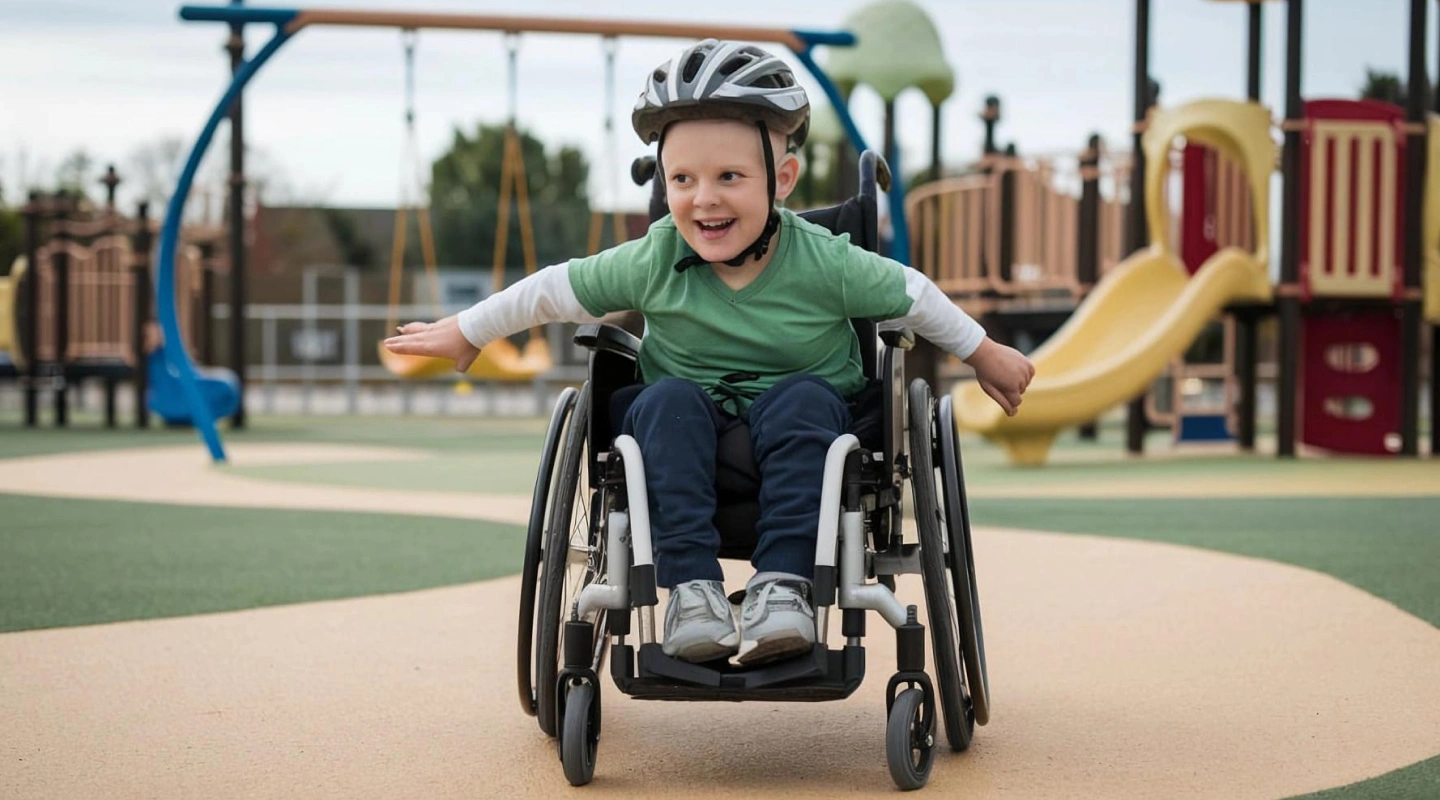
NDIS ECEI: Early Childhood Intervention (Under 9)

ECEI (Early Childhood Early Intervention) is the NDIS pathway for children under 9 years with developmental delays or disability. ECEI provides faster access to early intervention supports (4-8 weeks), short-term therapy and family capacity building, and connections to mainstream services. Children access ECEI through local ECEI partners or LACs (Local Area Coordinators) without needing formal diagnosis. ECEI can transition to full NDIS plan if ongoing individualized funding is required.
ECEI at a Glance (2026)
| Detail | Information |
|---|---|
| Age Range | Under 9 years (before 9th birthday) |
| Eligibility | Developmental delays or disability concerns |
| Diagnosis Required | NO (developmental concerns sufficient) |
| Access Timeline | 4-8 weeks from initial contact to supports |
| Support Duration | 6-12 months typical (can be extended) |
| Funding Model | ECEI partner arranges supports (no individual budget management) |
| Typical Support Value | $2,000-$8,000 over 6-12 months |
| Focus | Family capacity building and mainstream connections |
| Transition | To full NDIS plan if ongoing supports needed beyond age 9 |
| National Consistency | New nationally-consistent ECEI approach (February 2026) |
What ECEI Provides:
- Early intervention therapy (speech, OT, physio)
- Developmental assessments and monitoring
- Parent training and skill development
- Community connections (playgroups, childcare, preschool support)
- Low-cost equipment and assistive technology
- Family support and capacity building
- Transition to NDIS or mainstream services
Understanding ECEI (Early Childhood Early Intervention)
What is ECEI?
ECEI is a streamlined NDIS pathway specifically designed for young children with developmental concerns.
ECEI Philosophy:
- Early intervention is critical: Research shows early childhood is the most effective time to intervene for developmental delays
- Family-centered approach: Building parent and family capacity to support child development
- Mainstream first: Connecting families to universal services (childcare, playgroups, health services) before NDIS-funded supports
- Flexible and responsive: Short-term supports tailored to child and family needs without rigid plan budgets
ECEI was redesigned in 2026 with a nationally-consistent approach to ensure all children under 9 across Australia receive equitable access to early childhood supports.
Why ECEI Exists
Problem ECEI Solves:
Before ECEI (and still for children 9+ years):
- Complex NDIS access process requiring extensive evidence and assessments
- Long wait times (12-21 weeks) for NDIS access decisions
- Emphasis on permanent and significant disability (difficult to assess in young children)
- Missed critical early intervention window while waiting for NDIS access
ECEI Solution:
- Faster pathway (4-8 weeks) specifically for young children
- Accepts developmental concerns without requiring formal diagnosis
- Provides early intervention while development is most malleable
- Family-focused supports building long-term capacity
- Smoother transition to full NDIS if ongoing supports needed
ECEI Age Range: Under 9 Years
Current ECEI age limit: Under 9 years (before 9th birthday)
Important Context:
- ECEI originally covered children under 7 years
- Age limit increased to under 9 years in 2024 to provide extended early intervention window
- Children approaching 9 years receive transition support to full NDIS plan or mainstream services
Age-Specific ECEI Pathways:
Birth to 3 Years
- Primary focus: Parent coaching and capacity building
- Therapy delivery: Natural environments (home, childcare, playgroups)
- Common concerns: Speech delay, motor delays, feeding difficulties, autism concerns
- Typical supports: Weekly therapy, parent workshops, community connections
3 to 6 Years
- Primary focus: Preschool and community participation
- Therapy delivery: Preschool, home, clinic-based
- Common concerns: School readiness, social skills, communication, learning difficulties
- Typical supports: Fortnightly therapy, educator support, equipment for preschool
6 to 9 Years
- Primary focus: School transition and ongoing learning support
- Therapy delivery: School, home, clinic
- Common concerns: Persistent developmental delays requiring ongoing support
- Transition planning: Preparing for full NDIS plan if ongoing needs identified
ECEI Eligibility
Who is Eligible for ECEI?
Children under 9 years with:
- Developmental Delays (not meeting age-expected milestones)
- Diagnosed Disabilities (autism, cerebral palsy, Down syndrome, genetic conditions)
- Significant Developmental Concerns (requiring early intervention)
Developmental Delay Criteria
Developmental delay is identified when a child is significantly behind age-expected development in one or more areas:
Speech and Language Delays
Signs of speech/language delay:
- 12 months: No babbling or gestures (pointing, waving)
- 18 months: Fewer than 10 words
- 2 years: Not combining 2 words (“more milk,” “daddy go”)
- 3 years: Difficult to understand speech, limited vocabulary
- 4+ years: Difficulty with grammar, sentence structure, or conversation skills
ECEI accepts:
- Speech pathologist reports documenting delay
- Parental concerns about communication
- Childcare or educator observations
Motor Delays
Gross Motor Signs:
- 12 months: Not sitting independently
- 18 months: Not walking
- 2 years: Difficulty running, climbing stairs
- 3+ years: Poor balance, coordination, or motor planning
Fine Motor Signs:
- 18 months: Not using pincer grasp (picking up small objects)
- 2 years: Difficulty with crayons or self-feeding
- 3+ years: Difficulty with puzzles, scissors, or dressing
ECEI accepts:
- Physiotherapist or occupational therapist reports
- Pediatrician developmental assessments
- Parent observations and videos
Social and Emotional Delays
Signs of social/emotional delay:
- Limited eye contact or social responsiveness
- Difficulty with peer interactions (parallel play only beyond age 3)
- Limited emotional regulation (frequent meltdowns beyond typical toddler behavior)
- Difficulty with transitions or changes in routine
- Restricted interests or repetitive behaviors (potential autism indicators)
ECEI accepts:
- Psychologist or pediatrician observations
- Early childhood educator reports
- Parent concerns about social development
Cognitive and Learning Delays
Signs of cognitive delay:
- Difficulty with problem-solving or play skills
- Limited understanding of concepts (colors, shapes, numbers)
- Difficulty following instructions
- Slow acquisition of new skills
ECEI accepts:
- Developmental pediatrician assessments
- Early childhood educator observations
- Psychologist cognitive assessments
Diagnosed Disabilities Eligible for ECEI
Children with formal diagnoses can access ECEI even if disability does not show significant functional delays yet:
Common Diagnoses Eligible for ECEI:
- Autism Spectrum Disorder (ASD)
- Cerebral Palsy (CP)
- Down Syndrome
- Genetic conditions (Fragile X, Prader-Willi, Angelman syndrome)
- Hearing loss (permanent hearing impairment)
- Vision impairment (blindness, low vision)
- Intellectual disability
- Rare genetic conditions affecting development
Diagnosis Process:
- Formal diagnosis provides clearer pathway to ECEI and NDIS
- Diagnosis NOT required for ECEI access (developmental concerns sufficient)
- Many families access ECEI while pursuing diagnosis (e.g., autism assessment waitlists 6-12 months)
Do I Need a Diagnosis for ECEI?
NO, formal diagnosis is NOT required for ECEI access.
ECEI Accepts:
- Parental concerns about development
- Allied health professional observations (speech pathologist, OT, physio noting developmental delays)
- GP or pediatrician concerns and referrals
- Early childhood educator reports
- Developmental screening results (M-CHAT for autism, Ages and Stages Questionnaire)
Advantage of ECEI: Families can access supports immediately while waiting for formal diagnosis, ensuring children receive early intervention during critical developmental period.
How to Access ECEI
Step 1: Contact Your Local ECEI Partner or LAC
Every region in Australia has an ECEI partner organization or LAC responsible for ECEI pathway.
How to Find Your ECEI Partner:
- NDIS website: ndis.gov.au/ecei-partner-finder
- Phone NDIS: 1800 800 110 (ask for local ECEI partner contact)
- GP or allied health referral: Your child’s GP, speech pathologist, or OT can refer to ECEI partner
- Self-referral: Parents can contact ECEI partner directly without professional referral
What to Prepare for Initial Contact:
- Child’s name, date of birth, and address
- Brief description of developmental concerns
- Any professional reports or assessments (if available, not mandatory)
- Medicare number and NDIS residency status
Step 2: ECEI Planning Conversation
ECEI partner will arrange a planning conversation (phone or in-person) to discuss:
Topics Discussed:
-
Child’s Development and Concerns:
- Current developmental milestones
- Areas of delay or difficulty (speech, motor, social, cognitive)
- Strengths and interests
- Family priorities and goals
-
Current Supports and Services:
- Childcare, preschool, playgroup attendance
- Allied health services currently accessed (speech, OT, physio)
- Community connections and family supports
- Medical professionals involved (GP, pediatrician, specialists)
-
Family Goals:
- What do you want for your child? (communication, independence, social skills, school readiness)
- Family capacity and support needs
- Preferred intervention approaches (home-based, clinic, childcare)
-
Pathway Decision:
- ECEI short-term supports: If developmental concerns are moderate and early intervention likely effective
- Full NDIS referral: If complex, permanent disability requiring ongoing individualized supports
- Mainstream connections only: If concerns are mild and community services sufficient
Planning Conversation Duration: 60-90 minutes (phone or in-person)
Outcome: ECEI coordinator determines appropriate pathway and outlines next steps.
Step 3: ECEI Pathway Determination
Three Possible Outcomes from ECEI Planning Conversation:
Outcome 1: ECEI Short-Term Supports
When this pathway is chosen:
- Developmental delays identified
- Early intervention likely to make significant difference
- Child and family benefit from capacity-building supports
- Support needs can be addressed within 6-12 months
What happens next:
- ECEI partner arranges early intervention therapy (speech, OT, physio)
- Connects family to community services (playgroups, parent workshops, childcare inclusion support)
- Provides equipment or assistive technology if needed (low-cost items)
- Monitors progress over 6-12 months
No formal NDIS plan: ECEI partner arranges all supports, family does not manage budget.
Outcome 2: Full NDIS Referral
When this pathway is chosen:
- Diagnosed disability with permanent and significant impact
- Complex support needs beyond short-term early intervention
- Child requires individualized ongoing funding
- ECEI partner assesses child likely meets NDIS access criteria
What happens next:
- ECEI partner assists family with full NDIS access request
- Provides evidence and reports to support NDIS application
- Faster process than self-application (ECEI partner expertise)
- NDIS access decision typically 6-12 weeks
Full NDIS plan outcome: Individualized funding, broader service options, longer-term supports (12-36 month plans).
Outcome 3: Mainstream Connections Only
When this pathway is chosen:
- Developmental concerns are mild or transient
- Universal services and community supports sufficient
- No significant disability or functional impact identified
What happens next:
- ECEI partner provides information and referrals to mainstream services
- Connections to playgroups, parenting programs, community health services
- No ECEI or NDIS funding required
- Family can re-contact ECEI partner if concerns worsen
Step 4: ECEI Supports Commence
If ECEI short-term supports pathway chosen:
ECEI partner arranges:
Early Intervention Therapy
Speech Pathology:
- Assessment and therapy for speech/language delays
- Parent coaching in language strategies
- Frequency: Weekly to fortnightly sessions
- Duration: 6-12 months
Occupational Therapy:
- Fine motor and sensory assessments
- Self-care skill development (feeding, dressing)
- Sensory regulation strategies
- Frequency: Fortnightly to monthly
- Duration: 6-12 months
Physiotherapy:
- Gross motor assessment and intervention
- Mobility and strength training
- Equipment prescription (walking aids, orthotics)
- Frequency: Fortnightly to monthly
- Duration: 6-12 months
Parent Training and Capacity Building
Parent Workshops:
- Early communication strategies
- Behavior management and emotional regulation
- Play-based learning at home
- Understanding your child’s development
Individual Parent Coaching:
- Therapist models strategies during sessions
- Parent practices techniques with coaching
- Builds family capacity to support development independently
Community Connections
ECEI partner connects families to:
- Inclusive playgroups for children with developmental delays
- Parent support groups
- Childcare and preschool inclusion support
- Community health services and parenting programs
Equipment and Assistive Technology
ECEI can provide low-cost equipment:
- Communication apps or devices (under $1,500)
- Mobility aids (walkers, adapted seating)
- Adaptive toys and learning materials
- Sensory equipment
High-cost equipment: Requires full NDIS plan referral.
Step 5: Progress Reviews and Transition Planning
Regular ECEI Progress Reviews:
Every 3-6 Months:
- ECEI coordinator reviews child progress
- Reassesses developmental milestones
- Adjusts supports based on changing needs
- Discusses transition planning (if approaching end of ECEI)
At 6-12 Months (End of ECEI Support Period):
Three Transition Outcomes:
-
Exit ECEI (Developmental Concerns Resolved):
- Child has caught up developmentally
- Mainstream services sufficient (childcare, preschool, community health)
- Family has capacity to support child independently
- No further NDIS supports required
-
Transition to Full NDIS Plan:
- Ongoing disability support needs identified
- Requires individualized funding beyond ECEI scope
- ECEI partner assists with full NDIS access request
- Full NDIS plan provides ongoing supports
-
ECEI Extension:
- Child making progress but not yet ready for transition
- Additional 6-12 months ECEI supports beneficial
- ECEI supports extended with coordinator approval
ECEI vs Full NDIS Plan: Key Differences
| Aspect | ECEI Pathway | Full NDIS Plan |
|---|---|---|
| Age Range | Under 9 years | Any age (0-64 years at access) |
| Access Timeline | 4-8 weeks | 12-21 weeks |
| Diagnosis Required | NO (developmental concerns sufficient) | For ages 7+, yes (under 7 can use early intervention criteria) |
| Support Duration | 6-12 months (can extend) | 12-36 months (individualized plan duration) |
| Funding Model | ECEI partner arranges supports (no budget management) | Individualized plan budget (self, plan, or agency managed) |
| Typical Support Value | $2,000-$8,000 over 6-12 months | $15,000-$60,000+ annually depending on needs |
| Support Types | Therapy, community connections, low-cost equipment | Full range NDIS supports (therapy, high-cost AT, SDA, personal care, transport) |
| Planning Process | Single ECEI conversation (60-90 minutes) | Full NDIS planning meeting (2-3 hours) plus evidence collection |
| Flexibility | High (coordinator adjusts supports as needed) | Moderate (plan review required for significant changes) |
| Family Involvement | Family-led, capacity-building focus | Participant-centered, family involved in plan |
| Focus | Mainstream connections and family capacity | Individualized reasonable and necessary supports |
When to Choose ECEI vs Full NDIS
ECEI is Best For:
- Young children (under 9) with developmental delays
- Families seeking quick access to early intervention
- Situations where formal diagnosis not yet obtained
- Children whose developmental concerns may resolve with short-term support
- Families wanting support to navigate mainstream services
Full NDIS is Best For:
- Children with diagnosed, permanent disabilities (autism, cerebral palsy, Down syndrome)
- Complex, ongoing support needs requiring individualized funding
- Need for high-cost assistive technology or equipment
- Significant support needs across multiple life areas (daily living, communication, mobility, behavior)
- Children over 9 years (ECEI no longer available)
Many children start with ECEI and transition to full NDIS if ongoing supports are needed.
What Supports Does ECEI Provide?
Early Intervention Therapy
ECEI funds evidence-based early intervention therapy:
Speech Pathology
What ECEI speech therapy covers:
- Language development (receptive and expressive language)
- Speech sound production (articulation)
- Early literacy (pre-reading and writing skills)
- Social communication and play skills
- Alternative communication if needed (picture systems, simple AAC apps)
Typical ECEI speech therapy:
- Frequency: Weekly to fortnightly sessions
- Duration: 6-12 months
- Format: Combination of parent coaching and direct child therapy
- Setting: Home, childcare, or clinic
Occupational Therapy
What ECEI OT covers:
- Fine motor skills (hand strength, pencil grip, scissor skills)
- Self-care (feeding, dressing, toileting)
- Sensory processing (responding to sensory input, sensory regulation)
- Play skills and social interaction
- School readiness (classroom skills, sitting, attention)
Typical ECEI OT:
- Frequency: Fortnightly to monthly sessions
- Duration: 6-12 months
- Format: Parent training and child-focused intervention
- Setting: Home, childcare, or clinic
Physiotherapy
What ECEI physio covers:
- Gross motor development (rolling, sitting, crawling, walking)
- Strength and coordination
- Balance and mobility
- Equipment assessment (orthotics, walkers, adaptive seating)
- Movement and play
Typical ECEI physio:
- Frequency: Fortnightly to monthly sessions
- Duration: 6-12 months
- Format: Exercise and movement activities with parent involvement
- Setting: Home, childcare, or clinic
Developmental Assessments
ECEI can fund formal developmental assessments:
Common Assessments:
- Griffiths Scales: Comprehensive developmental assessment (birth-6 years)
- Bayley Scales: Infant and toddler development (birth-3 years)
- VABS-3 (Vineland Adaptive Behavior Scales): Functional skills assessment
- Autism diagnostic assessments: ADOS-2, ADI-R (if pursuing autism diagnosis)
When ECEI funds assessments:
- To establish baseline developmental levels
- To inform therapy goals and intervention planning
- To determine ECEI vs full NDIS pathway
- To support full NDIS access request if transitioning
Parent Training and Family Capacity Building
ECEI emphasizes building family capacity to support child development:
Parent Workshops
Common ECEI workshops:
- Hanen programs: Evidence-based parent training for language development (It Takes Two to Talk, More Than Words)
- Behavior management: Positive behavior support strategies for young children
- Sensory strategies: Understanding and supporting sensory processing
- Play-based learning: Using play to build developmental skills
- School readiness: Preparing children for preschool and school
Workshop Format:
- Group sessions (6-10 parents)
- 6-8 week programs
- Includes take-home materials and practice activities
- Facilitated by speech pathologist, OT, or psychologist
Individual Parent Coaching
ECEI therapy sessions often include:
- Therapist demonstrates strategies with child
- Parent practices techniques with therapist coaching
- Feedback and troubleshooting
- Home activities for practice between sessions
Goal: Parents become confident and skilled in supporting their child’s development independently.
Community Connections and Inclusion Support
ECEI connects families to mainstream community services:
Playgroups and Early Learning
ECEI can arrange:
- Inclusive playgroups for children with developmental delays
- Supported childcare or preschool placement
- Early learning programs focused on school readiness
Inclusion Support:
- Additional worker support in childcare/preschool (if needed for participation)
- Educator training on supporting child with developmental needs
- Equipment or environmental modifications for childcare setting
Note: Childcare inclusion support is often funded through Inclusion Support Program (ISP), a separate Commonwealth program coordinated with ECEI.
Community Health and Family Services
ECEI partner provides referrals to:
- Community health nurses
- Parenting programs and support groups
- Family support services (if additional social or financial stressors)
- Mental health supports for parents (if needed)
Low-Cost Equipment and Assistive Technology
ECEI can provide equipment under $1,500:
Common ECEI Equipment:
- Communication aids: Simple communication apps, picture boards, choice boards
- Mobility aids: Walkers, adapted tricycles, supportive seating
- Sensory equipment: Weighted blankets, fidget tools, noise-canceling headphones
- Learning aids: Adaptive scissors, pencil grips, visual schedules
- Self-care aids: Adaptive spoons, cup holders, dressing aids
Equipment Over $1,500:
- Requires full NDIS plan (Capital Supports budget)
- ECEI partner can support transition to full NDIS to access high-cost equipment
Common ECEI Scenarios and Pathways
Scenario 1: 2-Year-Old with Speech Delay (No Diagnosis)
Situation:
- Child has fewer than 20 words at 24 months (age-expected: 50+ words)
- No gestures or pointing
- Parents concerned about communication delay
- No diagnosis
ECEI Pathway:
- Parent contacts ECEI partner (self-referral or GP referral)
- ECEI planning conversation confirms speech delay
- ECEI short-term supports provided:
- Weekly speech therapy for 6 months
- Hanen parent workshop (It Takes Two to Talk)
- Community playgroup connection
- Progress review at 6 months:
- Child now using 2-3 word phrases, vocabulary 100+ words
- Parents confident in language facilitation strategies
- Exit ECEI, continue with mainstream childcare and community supports
Outcome: Developmental delay resolved with short-term early intervention. No full NDIS plan required.
Scenario 2: 3-Year-Old with Autism Diagnosis
Situation:
- Child diagnosed with autism at age 3
- Minimal verbal communication (echolalia only)
- Sensory sensitivities and rigid routines
- Parent seeking early intervention
ECEI Pathway:
- Parent contacts ECEI partner with autism diagnosis
- ECEI planning conversation identifies significant support needs
- ECEI partner refers to full NDIS access:
- Autism diagnosis and assessment reports provided
- ECEI partner assists with NDIS access request
- NDIS access approved within 6-8 weeks
- Full NDIS plan includes:
- $25,000 Capacity Building funding (speech therapy, OT, early intervention)
- $5,000 Capital Supports (AAC device, sensory equipment)
- Plan duration: 24 months
Outcome: ECEI pathway facilitated fast access to full NDIS plan for complex, ongoing needs.
Scenario 3: 5-Year-Old with Down Syndrome
Situation:
- Child with Down syndrome, accessing ECEI since age 2
- Has received speech, OT, and physio through ECEI for 3 years
- Approaching school age, ongoing support needs identified
ECEI Pathway:
- Child accessed ECEI at age 2 with Down syndrome diagnosis
- Received short-term ECEI supports (speech, OT, physio, parent training)
- ECEI extended annually due to ongoing developmental needs
- At age 5 (school readiness review):
- ECEI partner identifies need for ongoing individualized supports
- Transition to full NDIS plan initiated
- Full NDIS plan for school years:
- $30,000 Capacity Building (therapy, school support)
- $8,000 Capital Supports (equipment for school)
- Support coordination for school transition
Outcome: ECEI provided early intervention for 3 years, then transitioned to full NDIS plan for school-age ongoing supports.
Scenario 4: 18-Month-Old with Cerebral Palsy
Situation:
- Infant born premature, diagnosed with cerebral palsy at 12 months
- Significant motor delays (not sitting independently)
- Requires physiotherapy, OT, and equipment
ECEI Pathway:
- Parent contacts ECEI partner at age 12 months
- ECEI planning conversation identifies complex, ongoing support needs
- ECEI partner immediately refers to full NDIS access:
- Cerebral palsy diagnosis (permanent disability)
- Specialist reports (pediatrician, neurologist, physio)
- NDIS access approved within 6 weeks
- Full NDIS plan from age 12 months:
- $40,000 Capacity Building (intensive therapy)
- $15,000 Capital Supports (adaptive seating, walker, orthotics)
- Core Supports for consumables (nappies, continence aids)
Outcome: ECEI partner recognized immediate need for full NDIS plan, facilitated fast access without delay.
Frequently Asked Questions About ECEI
What is ECEI (Early Childhood Early Intervention)?
ECEI is the NDIS early childhood pathway for children under 9 years with developmental delays or disability. ECEI provides: faster access to supports (4-8 weeks vs 12-21 weeks), short-term early intervention therapy, family and community connections, developmental monitoring, and pathway to full NDIS plan if needed. ECEI focuses on building family capacity and connecting to mainstream services before considering ongoing NDIS funding.
Who is eligible for ECEI?
Children under 9 years (before 9th birthday) are eligible for ECEI if they have: developmental delays (speech, motor, cognitive, social), diagnosed disability (autism, cerebral palsy, Down syndrome, hearing/vision impairment), or significant developmental concerns requiring early intervention. Formal diagnosis is NOT required for ECEI access. Developmental concerns supported by health professionals, educators, or allied therapists are sufficient.
How do I access ECEI for my child?
To access ECEI: (1) contact your local ECEI partner or LAC (Local Area Coordinator), (2) complete ECEI planning conversation (phone or in-person), (3) provide developmental information and concerns, (4) ECEI coordinator determines pathway (short-term ECEI supports or full NDIS referral), (5) receive ECEI supports or NDIS access assistance. ECEI access is typically 4-8 weeks from initial contact to supports commencing.
What supports does ECEI provide?
ECEI provides: early intervention therapy (speech, OT, physio), developmental monitoring and assessments, parent training and education, connection to community services and playgroups, equipment and assistive technology (low-cost), family support and capacity building, and transition support to preschool or school. ECEI focus is building family skills and mainstream connections rather than long-term NDIS funding.
What is the difference between ECEI and full NDIS plan?
ECEI is short-term early intervention pathway (6-12 months typical) for children under 9. Full NDIS plan provides ongoing individualized funding (12-36 month plans) for children with permanent and significant disability. ECEI transitions to full NDIS if needs are ongoing and complex. Key differences: ECEI faster access, family-focused, mainstream connections vs NDIS individualized funding, longer-term supports, broader services.
How long does ECEI support last?
ECEI supports typically last 6-12 months. During this time, ECEI partner provides early intervention, monitors development, and reviews progress. If developmental concerns resolve or mainstream supports sufficient, ECEI concludes. If ongoing disability support needed, child transitions to full NDIS access. ECEI can be extended beyond 12 months if child making progress but not yet ready for mainstream services.
Can my child have an ECEI plan and attend childcare?
Yes, children with ECEI supports can attend childcare, preschool, and playgroups. ECEI funding can include: additional support worker hours for inclusion support (if required for participation), therapy sessions in childcare setting, equipment for childcare use, and educator training and capacity building. Inclusion support is separate from NDIS and funded through Inclusion Support Program (ISP) administered by state/territory governments.
What happens when my child turns 9 under ECEI?
When a child turns 9, ECEI pathway closes. Three outcomes: (1) child no longer needs supports (developmental concerns resolved), transitions to mainstream services only, (2) child needs ongoing supports, transitions to full NDIS plan (ECEI partner assists with full access request), (3) child transitions to other supports (state-funded disability services, education supports). ECEI partner discusses transition well before 9th birthday.
Do I need a diagnosis for ECEI?
No, formal diagnosis is NOT required for ECEI access. ECEI accepts: developmental concerns from parents, observations from educators or childcare workers, allied health reports (speech pathologist, OT, physio noting delays), GP or pediatrician concerns, or developmental screening results showing delays. ECEI provides support while diagnosis is being pursued or if diagnosis not yet clear.
How much funding does ECEI provide?
ECEI does not use individualized funding like full NDIS plans. ECEI partner arranges and funds supports directly based on child and family needs. Typical ECEI support value: $2,000-$8,000 over 6-12 months. Supports are flexible and can include therapy, equipment, parent workshops, community connections. Families do not manage budgets under ECEI (partner coordinates all supports).
Key Resources for ECEI
Official NDIS Information:
- NDIS Early Childhood Approach: ndis.gov.au/ecei
- Find ECEI Partner: ndis.gov.au/ecei-partners
- NDIS Phone: 1800 800 110
Early Intervention Resources:
- Speech Pathology Australia: speechpathologyaustralia.org.au
- Occupational Therapy Australia: otaus.com.au
- Australian Physiotherapy Association: choose.physio
Carevo Services:
Need help accessing ECEI for your child? Carevo connects families with ECEI partners and early intervention providers across Sydney and Melbourne. Call 1800 953 253 for assistance navigating ECEI and accessing early childhood supports.
Co-founder & CEO · Updated
Andre is the co-founder and CEO of Carevo. He holds a Bachelor of Commerce, majoring in Marketing, and a Bachelor of Arts from UNSW Sydney, where his majors were International Relations, Politics, Information Systems, and Media and Communications, graduating in 2014, and went through the UNSW 10x Founders accelerator in 2023.