NDIS Peer Support Networks: Finding Your Community (2026)
Gemma Foxton
Customer Lead
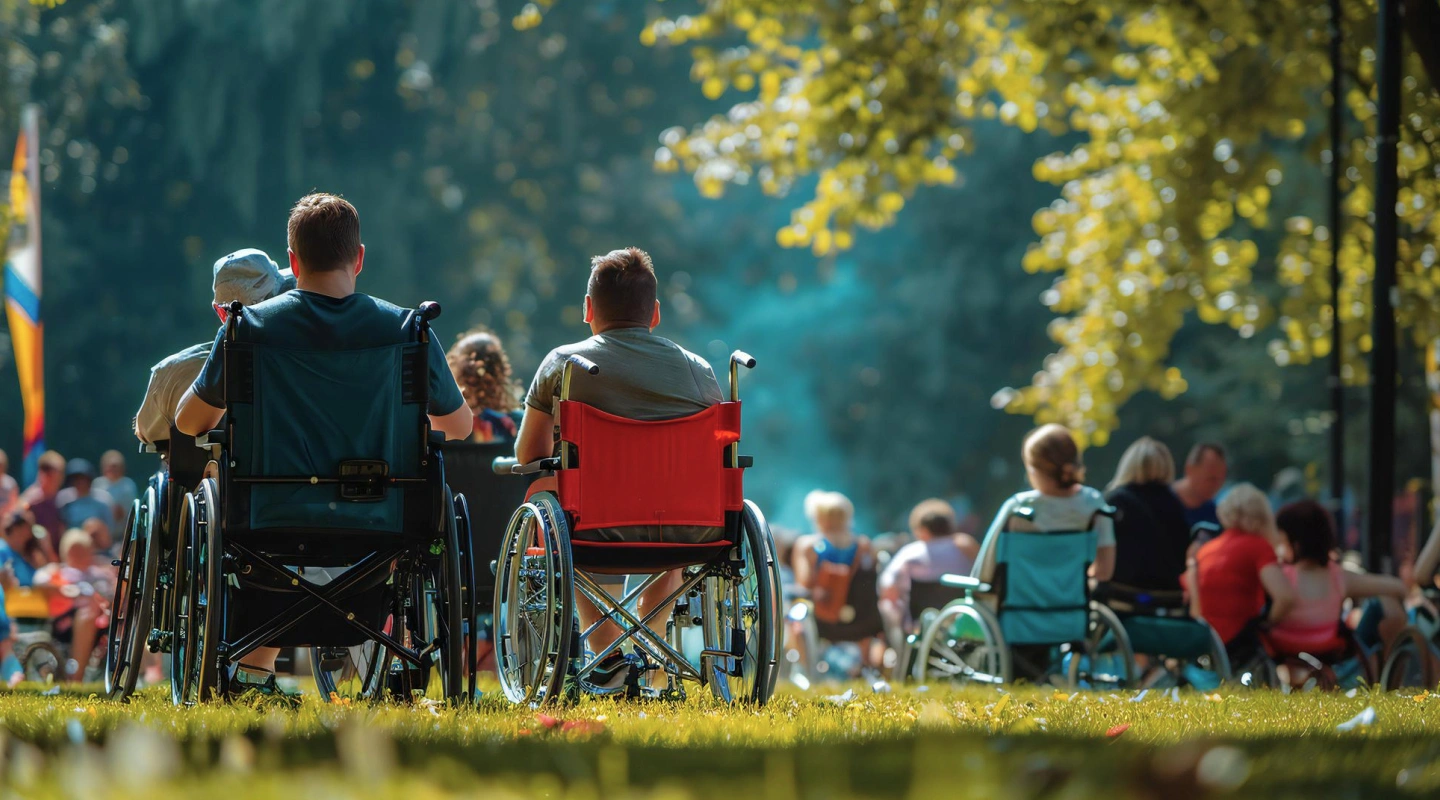
Peer support networks connect NDIS participants with similar experiences for advice, friendship, and shared learning. This guide helps you find peer support groups online and in your local area.
What is NDIS peer support?
Peer support is connection with other NDIS participants who understand your journey because they’re living it too.
Benefits of peer support:
- Learn from others’ experiences (which providers are good, how to navigate planning)
- Share frustrations in safe space (people who GET IT)
- Build friendships with shared understanding
- Get advice on NDIS processes from lived experience
- Feel less isolated
Peer support is NOT:
- Professional advice (always check with LAC/planner)
- Replacement for formal advocacy (use NDAP for serious issues)
- Therapy or counseling (seek professional support for mental health)
Online NDIS peer support groups
Facebook Groups (most active):
- “NDIS Participants Support Group” (15,000+ members, national)
- “NDIS Parents and Carers” (12,000+ members, family focus)
- State groups: “[Your State] NDIS Support”
- Condition-specific: “NDIS Autism Community,” “NDIS Mental Health Support”
Reddit Communities:
- r/NDIS (Australian NDIS discussions)
- r/disability (international but NDIS threads common)
Forums:
- My Community Hub (NDIS official community)
- Carers Australia forums
Local in-person peer support
Find local groups:
- Ask your LAC for peer support group recommendations
- Check local disability organizations (often run monthly meetups)
- Library noticeboards (many libraries host accessibility groups)
- Council websites (community programs section)
Types of local groups:
- Monthly coffee catchups
- Activity-based (art, sport, tech)
- Parent/carer support groups
- Condition-specific groups
How to start your own peer support group
If no group exists in your area:
- Recruit 3-5 people (ask LAC to connect you, post in Facebook groups)
- Choose venue (library meeting room, accessible cafe)
- Set schedule (monthly works well, same day/time each month)
- Keep it simple (coffee and chat, no formal agenda)
- Stay peer-led (participants run it, not professionals)
First meeting topics:
- Introductions and NDIS journey
- Best/worst provider experiences
- Planning meeting tips
- What works, what doesn’t
Most successful peer groups are informal, participant-led, and low-key.
Find the right provider through Carevo
Answer a few quick questions and get matched with providers who fit your needs. Free, no obligation.
Looking for Peer Support?
Who is the care for?
Takes 30 seconds. Free, no obligation.
Customer Lead
Gemma is Carevo's Customer Lead. She spent several years working as a support worker before moving into concierge and partnerships roles, so she writes from the frontline of care.