Heart Disease Support at Home: Monitoring, Lifestyle Supports, and Safe Activity Providers

Gemma Foxton
Customer Lead
Key Points
- Heart disease qualifies for NDIS when it causes significant permanent functional limitation in daily activities; people 65 and over access the aged care system; all people with heart disease can access five allied health sessions per year via a GP Chronic Disease Management plan
- Cardiac rehabilitation is the evidence-based standard of care after a heart attack, cardiac surgery, or heart failure; public programs are available at most major hospitals and are typically free
- An exercise physiologist continues and progresses safe activity after formal cardiac rehabilitation, personalising programs based on cardiac function, symptoms, and current capacity
- Heart failure requires daily monitoring of weight, blood pressure, symptoms, and fluid intake; remote monitoring through cardiac telehealth services reduces hospital readmissions
- Depression and anxiety are significantly more common after a cardiac event and worsen cardiac outcomes; psychological support through cardiac rehabilitation or a GP Mental Health Care Plan is an important component of recovery
- Red flag symptoms (chest pain, sudden breathlessness, fainting) require 000; same-day GP review is appropriate for weight gain of 2kg or more in 24 hours, increased ankle swelling, and worsening breathlessness
Heart Disease and Home Support
Heart disease encompasses a range of conditions affecting the heart including coronary artery disease, heart failure, arrhythmias, and valvular disease. In Australia, cardiovascular disease remains the leading cause of death, with approximately 1.2 million Australians living with heart, stroke, and vascular disease.
Recovery and ongoing management of heart disease increasingly occurs at home rather than in hospital. This shift requires a coordinated network of providers supporting safe activity, lifestyle management, monitoring, and psychological recovery.
This guide covers the home support provider team, cardiac rehabilitation access, safe activity guidance, heart failure monitoring, and the practical steps involved in rebuilding daily life with a heart condition.
Funding Pathways for Heart Disease Support
Medicare: The Primary Pathway
Most home support for heart disease is accessed through Medicare rather than NDIS.
A GP Mental Health Care Plan provides up to 10 psychology sessions per year, relevant for depression and anxiety following a cardiac event.
A Chronic Disease Management plan provides up to five allied health sessions per year covering physiotherapy, exercise physiology, OT, dietetics, and other relevant allied health disciplines. A GP referral to each discipline is required.
NDIS (Under 65 with Permanent Functional Limitation)
Heart disease may qualify for NDIS when it causes significant, permanent functional limitation in daily activities and Medicare supports are insufficient. This is more likely in cases of severe heart failure, congenital heart disease with complex ongoing needs, or heart disease combined with other disabilities.
Aged Care (65 and Over)
People 65 and over access home support through the Support at Home program (launched November 2025) via My Aged Care (1800 200 422).
Cardiac Rehabilitation: The Starting Point
Cardiac rehabilitation is the cornerstone of recovery after a cardiac event. Evidence consistently shows that people who complete cardiac rehabilitation have better survival rates, fewer hospitalisations, and improved quality of life compared to those who do not.
What Cardiac Rehabilitation Includes
A standard cardiac rehabilitation program provides:
- Supervised exercise: Graded exercise sessions monitored for heart rate, blood pressure, symptoms, and cardiac response. Sessions typically begin gently and progress over 8 to 12 weeks
- Education: Understanding the cardiac condition, medications, risk factor management, dietary guidance, and recognising warning symptoms
- Psychological support: Addressing adjustment to the diagnosis, depression, anxiety, and relationship impacts
- Peer support: Group programs provide connection with others in similar situations
Accessing Cardiac Rehabilitation
Public cardiac rehabilitation programs are available at most major hospitals across Australia and are generally free. A GP or cardiologist referral is required. The Heart Foundation’s cardiac services directory lists programs by location.
Home-based cardiac rehabilitation is available through some providers for people unable to attend in person. Digital programs such as Cardihab (CSIRO-commercialised) provide app-based monitoring and coaching.
The Home Support Provider Team
Exercise Physiologist
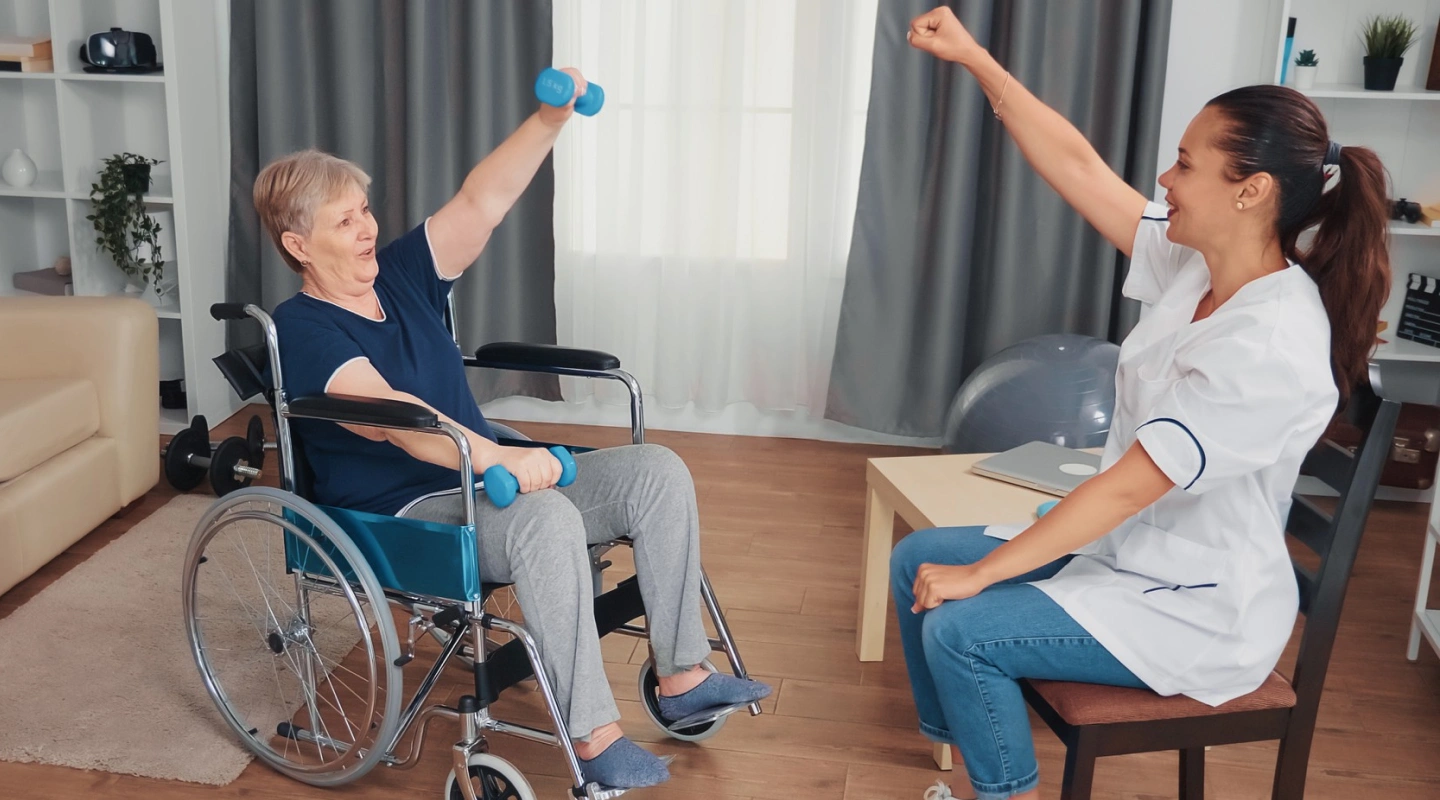
After formal cardiac rehabilitation ends, an exercise physiologist continues and progresses safe physical activity. For heart disease, the exercise physiologist:
- Reviews the cardiac rehabilitation discharge summary and understands the person’s cardiac function and any exercise restrictions
- Develops a personalised ongoing exercise program accounting for medications (some medications affect heart rate response), functional capacity, and cardiovascular risk factors
- Progresses the program safely based on symptom monitoring and cardiovascular response
- Provides education on safe exercise intensity and how to use perceived exertion rather than heart rate alone (important when on beta-blockers, which lower resting heart rate)
People should seek exercise physiologists who have experience with cardiac conditions, not simply general fitness or sports contexts.
Dietitian
Diet is a modifiable risk factor for most forms of heart disease. A dietitian provides personalised advice on:
- Heart-healthy eating patterns: The Mediterranean diet pattern has the strongest evidence base for cardiovascular risk reduction
- Sodium management: Critical for heart failure; excess sodium causes fluid retention and exacerbates breathlessness
- Cholesterol: Saturated fat reduction, inclusion of plant sterols, and fibre for LDL cholesterol management
- Weight management: Excess weight increases cardiac workload
- Comorbidity management: Many people with heart disease also have diabetes or hypertension; dietary management of these conditions requires integration
A GP Chronic Disease Management referral funds five dietitian sessions annually.
Cardiac Nurse
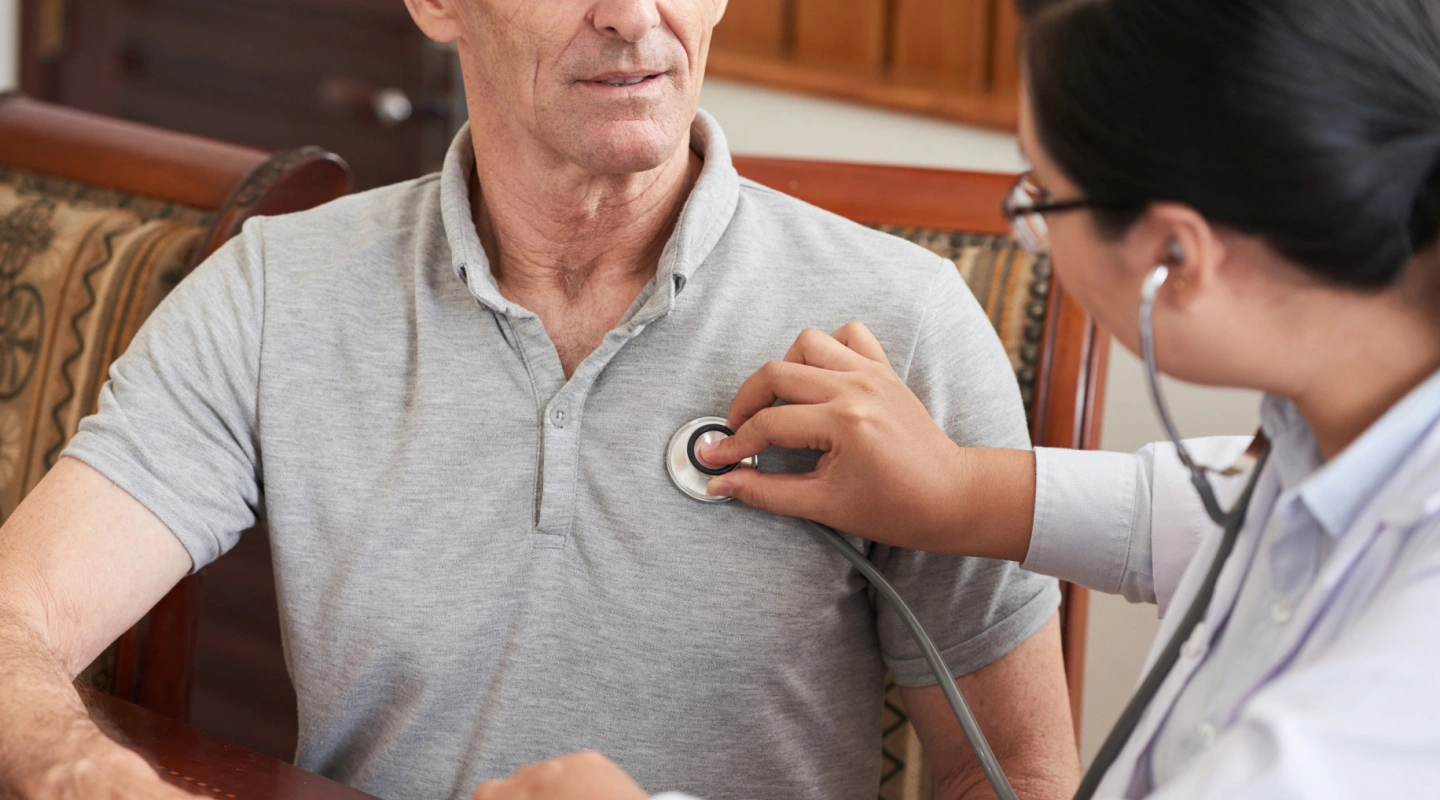
Cardiac nurses provide clinical monitoring and education in the home, particularly for heart failure and post-operative cardiac care. Their role includes:
- Regular vital sign monitoring (blood pressure, pulse, weight, oxygen saturation)
- Medication review and education (many cardiac medications require careful monitoring)
- Early detection of deterioration before it becomes an emergency
- Telehealth monitoring programs that connect to a hospital or specialist service
Some states offer remote monitoring services through hospital outreach programs. Medibank At Home and similar programs provide cardiac nursing through private health insurance or self-funded arrangements.
Occupational Therapist
After a cardiac event, an OT helps the person safely resume daily activities with appropriate exertion levels. Key areas include:
- Energy conservation: Techniques to complete necessary tasks with less cardiovascular effort (sitting when possible, avoiding breath-holding during effort, pacing activities throughout the day)
- Home safety assessment: Identifying tasks that place excessive cardiovascular demand and recommending modifications
- Graduated return to activity: Planning the step-by-step resumption of domestic, social, and work activities
- Home modifications: Shower chair, grab rails, and stair modifications to reduce exertion and fall risk
- Driving assessment: After a cardiac event, driving is typically restricted; an OT driving assessor can evaluate readiness to return to driving
Heart Failure: Home Monitoring
Heart failure is a chronic condition requiring careful daily self-monitoring to detect deterioration early. The priority monitoring parameters are:
Daily Weight
Weight gain reflects fluid retention in heart failure. The action thresholds are:
- 2kg or more in 24 hours: Contact GP or cardiologist same-day
- 2.5kg or more in 48 hours: Contact GP or cardiologist same-day
These thresholds should be confirmed with the treating cardiologist, as they may vary.
Symptoms to Monitor Daily
- Breathlessness (at rest, with activity, or lying flat)
- Ankle and leg swelling
- Fatigue disproportionate to activity
- Reduced urine output
Any worsening of these symptoms warrants medical contact.
Blood Pressure and Pulse
Home blood pressure monitors are widely available. The treating cardiologist specifies the target range and action thresholds for the individual patient.
Remote Monitoring Programs
Programs such as the Virtual Heart Failure Service (available in some states) provide regular telephone or video contact with a cardiac nurse. The nurse monitors weight, symptoms, and medication adherence and can adjust diuretic doses within agreed protocols, reducing emergency department presentations.
Psychological Recovery After a Cardiac Event
Depression and anxiety affect 20 to 30% of people following a cardiac event, compared to approximately 10% of the general population. Untreated depression after a heart attack is associated with significantly increased rates of re-infarction and mortality.
Psychological support options include:
- Cardiac rehabilitation psychological support: Included in most programs
- GP Mental Health Care Plan: Up to 10 psychology sessions per year via Medicare
- Heart Foundation peer support: MyHeart MyLife program with peer networks and online communities
- Headspace, Beyond Blue, Lifeline: General mental health support
Discussing mood with the treating cardiologist is important; they can facilitate appropriate referrals and be alert to how depression affects medication adherence and lifestyle change.
Key Resources
- Heart Foundation Australia - cardiac rehabilitation directory, MyHeart MyLife peer support, carer information
- Cardiac services directory - find cardiac rehabilitation programs by location
- My Aged Care - entry point for aged care assessment (65 and over)
- Cardihab digital cardiac rehabilitation - CSIRO-commercialised home-based program
Connecting with Home Support Providers
Carevo connects people with heart disease to exercise physiologists, cardiac nurses, dietitians, OTs, and in-home support providers across Australia.
Find the right provider through Carevo
Answer a few quick questions and get matched with providers who fit your needs. Free, no obligation.
Need Home Care Packages?
Who is the care for?
Takes 30 seconds. Free, no obligation.
Customer Lead
Gemma is Carevo's Customer Lead. She spent several years working as a support worker before moving into concierge and partnerships roles, so she writes from the frontline of care.