Life After Amputation: Prosthetics, Rehab, and Home Access Providers
Gemma Foxton
Customer Lead
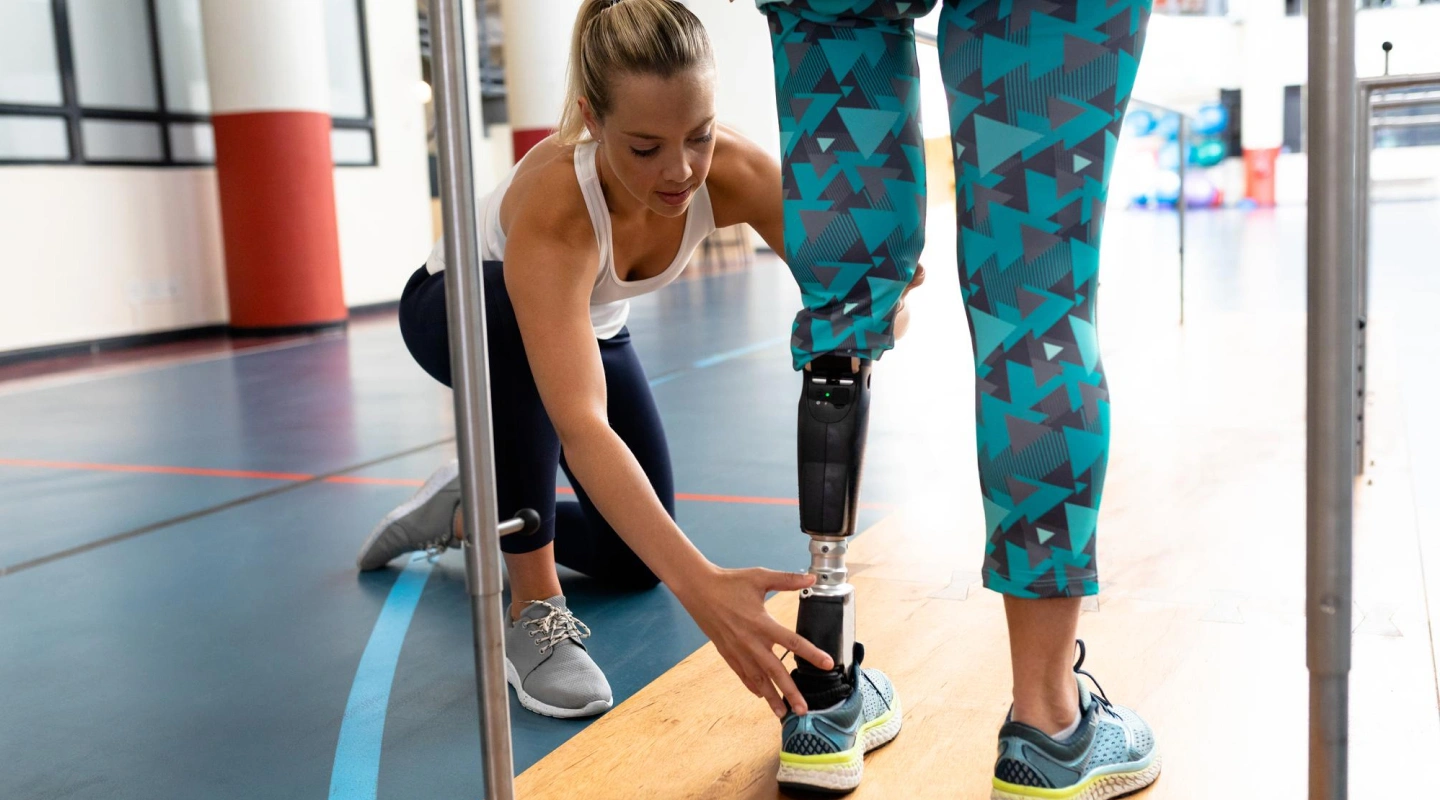
Key Points
- NDIS funds prosthetic limbs as Capital Assistive Technology; a prosthetist or physiotherapist functional report documenting the need is required, and replacement cycles are typically every three to five years
- Two phases of rehabilitation follow amputation: pre-prosthetic (residual limb healing, shaping, and strength, four to eight weeks) and prosthetic rehabilitation (socket fitting, gait retraining, and functional training, three to six months minimum)
- Phantom limb pain affects 50 to 80% of amputees and is neurological in origin; effective management includes mirror therapy, graded motor imagery, and in some cases medications
- Home modification assessment by an OT is essential before discharge or prosthetic use begins; ramp access, bathroom modifications, and hazard removal are the highest priorities
- Limbs 4 Life is Australia’s national amputee support organisation and provides peer connection, a provider directory, and practical guides
- Psychological adjustment to limb loss is a recognised part of rehabilitation; peer support through Limbs 4 Life and psychology via Medicare or NDIS are both valuable components of recovery
Amputation and the Path Forward
Amputation is the surgical removal of a limb or part of a limb, most commonly the result of vascular disease (particularly diabetes-related complications), trauma, cancer, or infection. In Australia, over 4,400 major limb amputations are performed annually, with lower limb amputation representing the majority.
Life after amputation involves a structured rehabilitation pathway, a multidisciplinary provider team, and adaptation of the home environment. For most people, a prosthetic limb is part of the solution, but the pathway to functional independence requires far more than the device itself.
This guide covers the provider team, rehabilitation stages, funding through NDIS and state programs, home modification priorities, phantom limb pain management, and the peer support resources that make a practical difference.
NDIS and State Program Funding
NDIS funds prosthetics and rehabilitation for eligible participants under 65 with permanent functional impairment. Relevant funding categories include:
- Capital Assistive Technology: Prosthetic limbs, adaptive equipment, vehicle modifications
- Capital Home Modifications: Bathroom, access, and structural modifications
- Capacity Building: Allied health therapy (physiotherapy, OT, psychology, speech pathology if applicable), support coordination
- Core Supports: Support worker hours for daily living and community access
State programs also fund prosthetics for eligible people outside the NDIS:
- EnableNSW (New South Wales): Prosthetic Limb Service
- Queensland Artificial Limb Service (QALS): Queensland
- Orthotic and Prosthetic Service: Victoria
- WA Country Health Service: Western Australia
People who receive prosthetics through state programs and are also NDIS participants should discuss coordination of funding with their support coordinator, as there are rules about avoiding duplication between NDIS and state-funded supports.
The Rehabilitation Pathway
Phase 1: Pre-Prosthetic Rehabilitation
The pre-prosthetic phase begins in hospital after surgery and typically continues for four to eight weeks. Key goals in this phase:
Residual limb management: The stump must heal and achieve a stable, well-shaped form before a prosthetic socket can be fitted. A physiotherapist and prosthetist guide residual limb bandaging or shrinker sock application to reduce swelling and promote the correct shape.
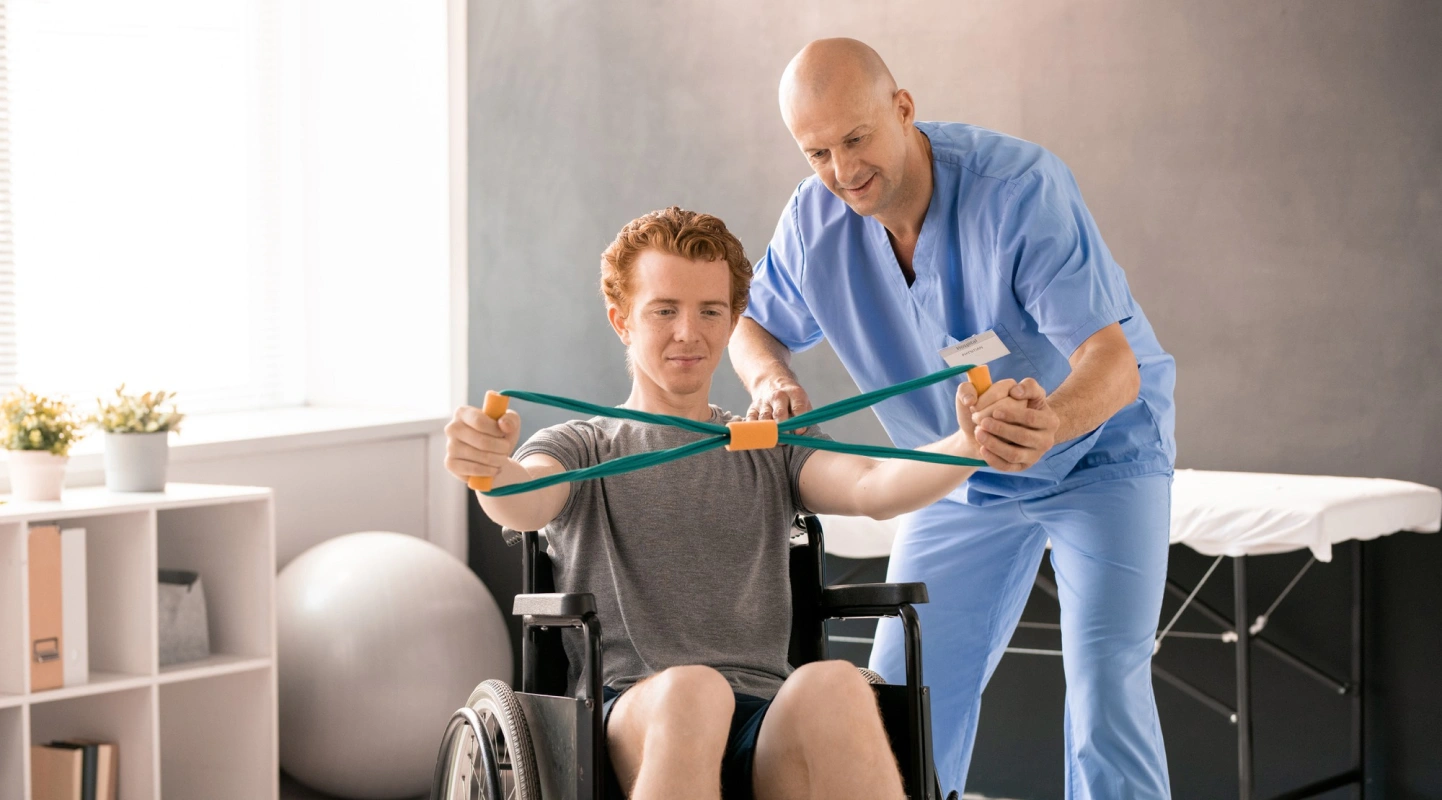
Strength and fitness: The remaining limb and upper body require conditioning. A physiotherapist designs a strengthening program to prepare for the demands of prosthetic use.
Phantom limb pain management: Begins in the pre-prosthetic phase. A physiotherapist or pain specialist introduces mirror therapy and other strategies.
Psychological preparation: A psychologist or peer supporter helps the person process the emotional impact of limb loss and set realistic expectations for rehabilitation.
Phase 2: Prosthetic Fitting and Training
Once the residual limb has stabilised (typically at least four to six weeks post-surgery), the prosthetist begins the fitting process. The first socket is usually a preparatory or interim socket, as residual limb volume will continue to change over the following months.
A definitive socket and prosthetic system is typically fitted at six to twelve months, once the residual limb has reached a stable volume.
Gait retraining for lower limb amputees is provided by a physiotherapist. This covers transfers, standing, weight bearing, walking on varied terrain, stairs, ramps, and outdoor surfaces. For above-knee (transfemoral) amputees, gait retraining is significantly more complex and demanding.
Functional training with the prosthetic is provided by both the physiotherapist and OT and covers activities of daily living, work tasks, driving assessment preparation, and return to recreation or sport where relevant.
The Multidisciplinary Provider Team
| Provider | Role | When Essential |
|---|---|---|
| Prosthetist | Device prescription, socket fitting, adjustments | All prosthetic users |
| Physiotherapist | Gait retraining, strength, balance, pain management | All amputees |
| Occupational Therapist | Home modification, ADL training, driving assessment | All amputees |
| Psychologist | Adjustment, body image, phantom limb pain (psychological) | Depression, anxiety, adjustment difficulties |
| Exercise Physiologist | Graduated reconditioning, community exercise programs | Deconditioning, fitness goals |
| Peer Support (Limbs 4 Life) | Lived experience, practical guidance, connection | All amputees, particularly new |
| Support Coordinator | NDIS plan navigation, provider connection | Complex plans, new participants |
| Support Worker | Daily living assistance, community access | High support needs |
Phantom Limb Pain: What It Is and How to Manage It
Phantom limb pain affects between 50% and 80% of amputees and is one of the most common and distressing post-amputation experiences. It is neurological in origin: the brain retains a “map” of the missing limb and continues to receive and generate signals from it, sometimes interpreted as pain, cramping, burning, or electric sensations.
Evidence-Based Management Approaches
Mirror therapy: A mirror box creates a visual reflection of the intact limb that the brain interprets as the amputated limb. By moving the intact limb and watching the reflection, the brain’s cortical map is gradually retrained. Physiotherapists deliver this in clinic and teach home practice.
Graded motor imagery: A structured program beginning with recognising pictures of limbs, progressing to imagined movement, then mirror therapy. Supervised by a physiotherapist.
TENS (Transcutaneous Electrical Nerve Stimulation): Applied to the residual limb or corresponding nerve pathway. Provides symptomatic relief for some people.
Medications: Gabapentin and pregabalin are most commonly used. Low-dose tricyclic antidepressants (amitriptyline) are used in some cases. Opioids have limited effectiveness for phantom limb pain and are not a first-line option.
Prosthetic use: Wearing and using a prosthetic provides sensory input through the residual limb and can reduce phantom pain in many people, particularly once a well-fitting socket is achieved.
Psychology: Cognitive behavioural therapy and acceptance and commitment therapy approaches reduce the distress associated with chronic phantom pain and improve quality of life even when pain is not eliminated.
Home Modification Priorities After Amputation
An OT home assessment should be completed before discharge from hospital or as early as possible in the rehabilitation process. The assessment identifies the modifications needed to enable safe return home and use of a prosthetic or wheelchair.
Access Modifications
- Ramp or level entry at the main entrance
- Removal of internal steps between main living areas where possible
- Widened doorways (minimum 850mm) if a wheelchair or walking frame is used
Bathroom Modifications
- Accessible shower (roll-in or step-free entry) with a fold-down shower chair
- Grab rails at the toilet, shower, and bath
- Non-slip flooring in all wet areas
- Adjustable height for vanity and mirror if reaching is affected
General Safety
- Adequate lighting throughout the home
- Removal of loose rugs and trip hazards
- Lever handles on doors and taps
- Non-slip mats in the kitchen
NDIS funds minor modifications (generally under $10,000 and not requiring structural work) and major modifications (structural changes requiring building work). All modifications require an OT prescription and report before NDIS Capital funding is approved.
Returning to Work and Community Life
Many amputees return to work, study, and recreation. The timeline depends on amputation level, the physical demands of the work or activity, prosthetic progress, and rehabilitation support.
An OT work assessment identifies the demands of the workplace, required adaptations, and any assistive technology needed. NDIS funds Employment Supports for eligible participants.
Driving assessment by an OT with driving assessment qualifications identifies whether adaptive controls are needed. State road authorities require a clearance from the assessing OT before the person can return to driving.
Limbs 4 Life maintains resources on returning to sport and recreation after amputation, and connects amputees with sport-specific programs and peer networks.
Key Resources
- Limbs 4 Life - national amputee peer support, provider directory, and practical guides
- EnableNSW - NSW prosthetic limb service
- Queensland Artificial Limb Service - Queensland prosthetic funding
- NDIS Prosthetic Limbs Guidelines - official NDIS guidance on prosthetic funding
Connecting With Rehabilitation Providers
Carevo connects people with limb loss to prosthetists, physiotherapists, occupational therapists, psychologists, and NDIS-registered support providers across Australia.
Find an amputation and rehabilitation provider through Carevo
Find the right provider through Carevo
Answer a few quick questions and get matched with providers who fit your needs. Free, no obligation.
Need Support Workers?
Who is the care for?
Takes 30 seconds. Free, no obligation.
Customer Lead
Gemma is Carevo's Customer Lead. She spent several years working as a support worker before moving into concierge and partnerships roles, so she writes from the frontline of care.