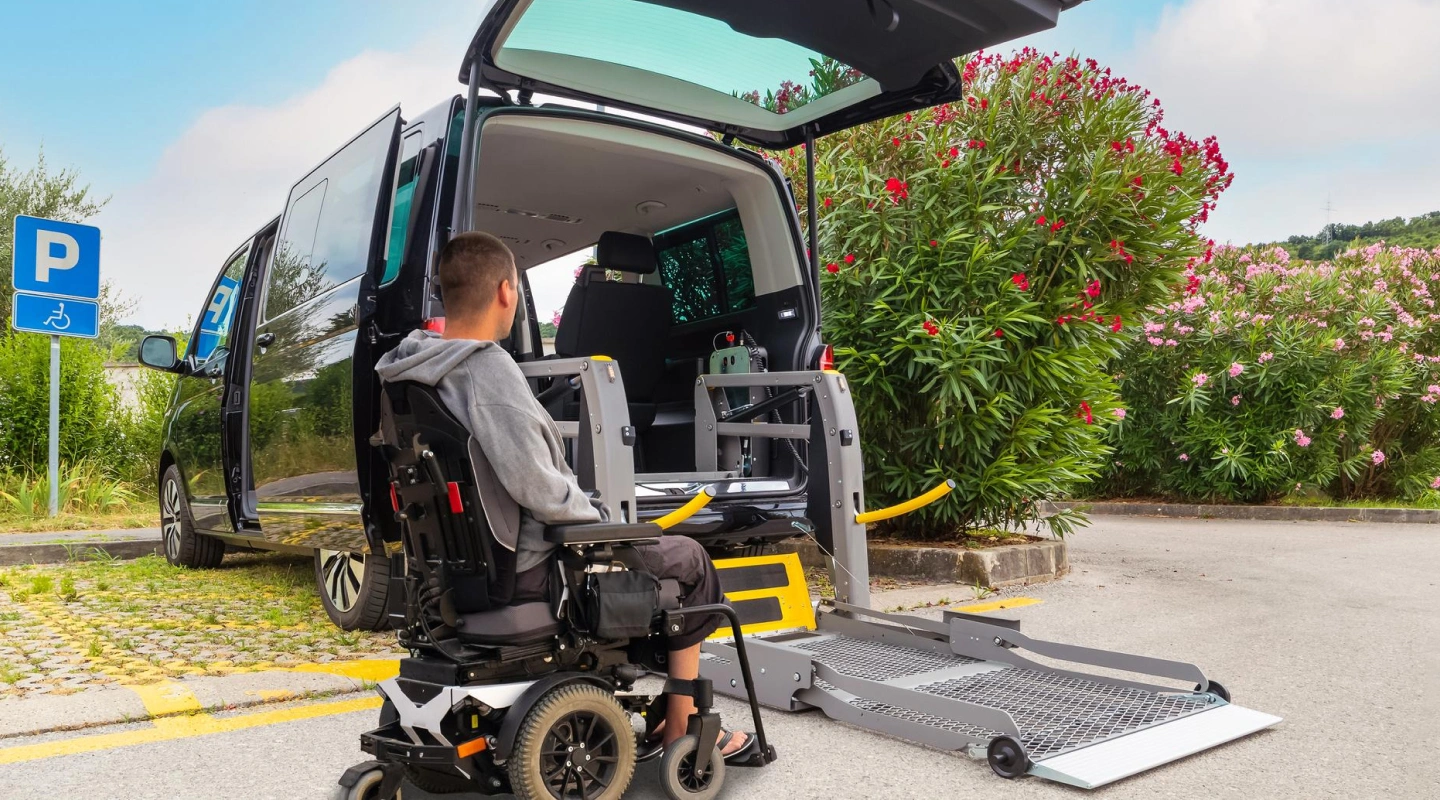
NDIS Mobility Scooter Funding: Federal Court Ruling
Andre Smith
Co-founder & CEO
Key Points
- Federal Court ruled NDIA must fund a $7,300 mobility scooter for participant with multiple disabilities
- Court clarified that NDIA must consider the combined effect of all disabilities, not just those that gave access to the NDIS
- Justice Lisa Hespe warned NDIA against being too “prescriptive” and to use “logic” and “common sense”
- The ruling could expand the types and number of supports available to people with multiple conditions
- NDIA spent tens of thousands of dollars fighting the case, far more than the cost of the scooter
- Case comes as NDIS costs are projected to exceed $50 billion this financial year
The Federal Court has delivered what disability rights experts are calling an “extremely significant” ruling by ordering the National Disability Insurance Agency (NDIA) to fund a mobility scooter for a participant with multiple disabilities.
The decision, handed down in late February, could have major implications for how the NDIA assesses funding requests for people with complex, interrelated conditions.
What Happened in the Federal Court Case
Lee Eastham, a 60-year-old from regional Victoria who is hearing and vision-impaired and lives with several medical conditions that severely limit his mobility, requested NDIS funding for a $7,300 mobility scooter in 2022.
Mr Eastham wanted the scooter so he could travel independently into town to do his shopping, attend health appointments, and volunteer with the SES. He cannot drive due to his conditions and Victorian road traffic legislation, and lacks reliable public transport on weekends and public holidays.
The NDIA initially rejected his request, arguing that his need for a scooter resulted from his physical conditions, not the hearing and vision impairments for which he was originally granted NDIS access.
Mr Eastham appealed to the Administrative Review Tribunal (ART), which ruled in his favour. The NDIA then appealed that decision to the Federal Court, which also ruled in Mr Eastham’s favour.
The Court’s Key Findings
Justice Lisa Hespe delivered a ruling that clarifies how the NDIA must assess participants’ needs.
Whole-Person Approach Required
Central to the case was a section of the NDIS Act requiring a participant’s NDIS supports to be related only to the impairments that gave them access to the scheme.
The Federal Court clarified that the NDIA must view participants according to the interplay of their multiple conditions, not just those that gave them entry into the scheme, as well as environmental factors such as available transport.
Mitchell Skipsey, senior solicitor at the Justice and Equity Centre which represented Mr Eastham, explained: “The really important thing that this case has said is that a person’s whole life is important. Somebody isn’t just a bundle of disabilities or diagnoses, but instead a whole person and that whole person is what the NDIS needs to be taking into account when it looks at what their needs are.”
Common Sense and Logic Required
Justice Hespe warned the NDIA against being too “prescriptive” when making decisions on participants’ supports. She said decisions needed to involve “logic” and “common sense.”
The Court also rejected the NDIA’s argument that the mobility scooter was not a “motorised mobility device” but rather a “personal mobility device.”
What This Means for NDIS Participants
Changes to NDIA Decision-Making
Mr Skipsey said the NDIA will need to alter the way it makes decisions on participants’ plans.
“Every time the NDIA makes a decision about a new plan, they will need to do it with this court decision in mind and the approach to interpreting the NDIS Act that this court has said is the correct way to do it,” he said.
Impact on People with Multiple Disabilities
Naomi Anderson, principal solicitor at the Villamanta Disability Rights Legal Service, described the judgement as “extremely significant.”
“This has been an issue participants have argued strongly: ‘It’s my body. I can’t just ignore this other impairment or this other disability,’” she said.
“The NDIA had very firmly taken the view that they can compartmentalise people and they can look at just one factor and consider whether that is the cause of the need for the support. Human beings just don’t work that way.”
The ruling could expand the number and types of supports available to people with multiple disabilities by requiring the NDIA to consider how different conditions interact.
The Cost of Fighting Participants
The NDIA has been ordered to pay Mr Eastham’s costs for both the ART and Federal Court proceedings.
While the NDIA did not disclose exactly how much it spent fighting the case, Mr Skipsey said such cases could cost tens of thousands of dollars, much more than the $7,300 scooter Mr Eastham requested.
“They’ve spent a lot of money on retaining lawyers and barristers to fight Lee at the ART and more lawyers, more barristers to fight him all the way at the Federal Court,” Mr Skipsey said.
Mr Eastham said: “They’ve just drawn it out so far and spent so much money on what could have just been a $7,000 scooter. I could have bought the scooter company for what they’ve spent. They’ve actually wasted money that some poor kid out there probably really needed.”
Rising Appeals and Legal Costs
The case comes amid rising tensions between the NDIA and participants:
- NDIS caseload at the ART in 2024-25 increased by 95% compared to the year prior
- About three quarters of those cases resulted in the NDIA’s decision being reversed
- The NDIA handed $60 million to external lawyers to fight participants at the tribunal last financial year
- Demand for disability rights legal services is “higher than ever”
Ms Anderson said while the NDIA’s conduct seemed “like a complete waste of money,” she felt the fight “wasn’t about” Mr Eastham or his mobility scooter.
“It was about the precedent, and clearly, they thought the precedent would go the other way,” she said. “Had they been successful, they would have saved a lot of money for everybody else.”
Context: NDIS Cost Reduction Efforts
The ruling comes as the federal government scrambles to reduce the cost of the NDIS, which has been projected to exceed $50 billion this financial year and $60 billion by 2028-29.
Families have been increasingly reporting cuts to NDIS plans in the past 24 months, contributing to the surge in appeals.
In a statement, an NDIA spokesperson said the agency made funding decisions in accordance with the NDIS Act.
“Participants have a right to seek a review of agency decisions and the NDIA respects that right,” they said. “The agency is committed to acting as a model litigant in line with the Attorney-General’s Legal Services Directions.”
What to Do If Your Mobility Equipment Funding Is Rejected
Understanding Your Rights
If the NDIA rejects your request for mobility equipment like a scooter or wheelchair, you have the right to:
- Request an internal review of the decision
- Appeal to the Administrative Review Tribunal
- Seek legal advice from disability rights services
Getting Support with Appeals
Free legal services are available to help NDIS participants with appeals:
- Justice and Equity Centre
- Villamanta Disability Rights Legal Service (Victoria)
- National Disability Advocacy Program services in your state
These services can help you understand whether the NDIA has properly considered all your disabilities and environmental factors.
Documenting Your Need
When requesting mobility equipment funding, make sure to document:
- How all your disabilities (not just your primary condition) affect your mobility
- Environmental factors like lack of accessible transport
- How the equipment will help you participate in community activities
- Reports from relevant health professionals about your combined conditions
FAQ
What was the Federal Court ruling about NDIS mobility scooters?
The Federal Court ruled that the NDIA must fund a mobility scooter for Lee Eastham, a participant with multiple disabilities. The Court clarified that the NDIA must consider the combined effect of all a person’s disabilities and environmental factors, not just the impairments that gave them access to the NDIS.
Can I appeal if the NDIA rejects my mobility scooter funding request?
Yes. You can request an internal review and then appeal to the Administrative Review Tribunal if you’re not satisfied. Free legal services are available to help NDIS participants with appeals.
Does this ruling mean the NDIA has to fund all mobility scooter requests?
No. Each case is assessed individually. However, the ruling means the NDIA must use a “whole person” approach and consider how all your disabilities interact, plus environmental factors like available transport.
How much did the NDIA spend fighting this case?
While the exact amount was not disclosed, legal experts said such cases can cost tens of thousands of dollars. This was significantly more than the $7,300 cost of the mobility scooter.
What does “model litigant” mean in this context?
The Attorney-General’s Legal Services Directions require government agencies to act as “model litigants” by acting honestly and fairly in legal proceedings, avoiding technical arguments, and only appealing decisions when it’s clearly in the public interest.
Will this affect how the NDIA makes other funding decisions?
Yes. The NDIA will need to apply this “whole person” approach to all funding decisions, considering how multiple disabilities interact and taking environmental factors into account.
How many NDIS decisions are overturned on appeal?
In 2024-25, about three quarters of NDIS cases at the Administrative Review Tribunal resulted in the NDIA’s decision being reversed, and the ART caseload increased by 95% compared to the prior year.
What should I do if I need a mobility scooter but the NDIA says my disability isn’t the right type?
Document how all your disabilities combine to create your mobility needs. Gather reports from health professionals about your combined conditions. Consider seeking advice from a disability rights legal service before appealing.
Key Resources
- Federal Court judgement (AustLII)
- ABC News: NDIS ordered to fund mobility scooter in ‘extremely significant’ Federal Court ruling
- Administrative Review Tribunal
- NDIS Act 2013
- Attorney-General’s Legal Services Directions
How Carevo Can Help
Navigating NDIS funding decisions can be complex, especially when you have multiple disabilities or complex care needs. Carevo is a connection platform that helps you find qualified NDIS providers who understand your rights and can support you through the planning process.
If you’re experiencing difficulties with NDIS funding decisions or need support coordinating your care, explore our NDIS support services to connect with experienced providers in your area.
Mr Eastham said of the ruling: “I feel like I’ve actually achieved something that’s going to not only benefit me, but everyone else that’s going through the same process.”
Nearly four years after his request was first knocked back, Mr Eastham is looking forward to the independence his mobility scooter will bring. “It’s really going to open up the world,” he said.
Find the right provider through Carevo
Answer a few quick questions and get matched with providers who fit your needs. Free, no obligation.
Need Support Coordination?
Who is the care for?
Takes 30 seconds. Free, no obligation.
Co-founder & CEO
Andre is the co-founder and CEO of Carevo. He holds a Bachelor of Commerce, majoring in Marketing, and a Bachelor of Arts from UNSW Sydney, where his majors were International Relations, Politics, Information Systems, and Media and Communications, graduating in 2014, and went through the UNSW 10x Founders accelerator in 2023.