NDIS Providers for Achondroplasia: OT, Home Mods, and Equipment
Gemma Foxton
Customer Lead
Key Points
- Achondroplasia is listed on the NDIS List A, so a confirmed diagnosis provides an automatic pathway to meet the disability requirements for access
- The occupational therapist is the central provider in any achondroplasia support team, driving both home modification reports and assistive technology prescriptions
- NDIS funds home modifications in two streams: minor modifications (under $20,000, no structural change) and complex modifications (structural changes requiring NDIA approval and building permits)
- Assistive technology items under $1,500 can be purchased through the Capital Supports budget without prior NDIA approval, provided an AT assessor has recommended them
- Functional challenges in achondroplasia include reach restrictions, rapid fatigue from short-limb gait, spinal stenosis pain, sleep apnoea, and self-care limitations
- Vehicle modifications, physiotherapy, and psychosocial support are also commonly funded and should be discussed with your planner at plan review
Understanding Achondroplasia and NDIS Eligibility
Achondroplasia is the most common form of skeletal dysplasia, caused by a variant in the FGFR3 gene that limits cartilage-to-bone conversion during foetal development. The result is short stature, shortened limbs relative to torso length, and a range of associated medical complications including spinal stenosis, obstructive sleep apnoea, and joint hypermobility.
Because achondroplasia is a permanent, lifelong condition, it qualifies for the NDIS through the List A pathway. A confirmed clinical or genetic diagnosis means the NDIA accepts that the disability criteria are met without requiring additional medical evidence about permanence. However, eligibility for NDIS access is not the same as automatic funding for every support type. Your plan is based on what is “reasonable and necessary” given your functional impact, your goals, and what informal supports (family, community) can reasonably provide.
For children, OT and physiotherapy referrals often begin well before an NDIS plan is in place, through early childhood intervention services. For adults, the functional picture is more variable. Some adults with achondroplasia manage most daily activities with minor adaptations, while others deal with significant spinal stenosis, pain, and fatigue that substantially limit independence.
The practical starting point for any new NDIS participant with achondroplasia is a thorough functional assessment. This assessment forms the evidence base for what goes into your plan.
The Occupational Therapist’s Role
The occupational therapist is the most important provider to engage first. They bridge the clinical picture and the NDIS funding system by assessing exactly how the condition limits your daily function and translating that into specific support recommendations.
What a good OT assessment covers
For someone with achondroplasia, a functional capacity assessment should cover:
- Reach limitations: how far you can reach overhead, sideways, and to the floor without aids
- Self-care tasks: ability to manage showering, dressing, toileting, and grooming independently
- Domestic tasks: food preparation, laundry, cleaning, and how existing furniture and appliances constrain these activities
- Mobility and fatigue: gait pattern, walking endurance, and what distance triggers significant fatigue
- Pain: location, frequency, and impact on specific activities, particularly if spinal stenosis or joint pain is present
- Home environment: a room-by-room walk-through identifying specific barriers
The OT will use standardised assessment tools alongside their clinical observations. For children, the WeeFIM (Functional Independence Measure for Children) is commonly used. For adults, the FIM or other activity-specific measures apply.
OT reports that drive funding
The OT produces two types of reports that are essential for accessing NDIS funding:
- Functional capacity assessment: Used to justify the level of support in your plan. This report explains what you cannot do independently and why, and recommends the categories of support needed (OT, physio, support worker hours, home modifications, AT).
- Home modification report: A separate report specifying exactly what modifications are needed, why each is necessary, what specifications apply, and cost estimates from builders. This report is required before the NDIA will fund any home modification that is not low-cost.
For more detail on what makes a strong functional report, see our guide on what a good functional capacity assessment report looks like.
Finding an OT experienced with skeletal dysplasias
Search the NDIS provider finder for registered OTs in your area, then contact them directly and ask whether they have experience with achondroplasia or skeletal dysplasias more broadly. OTs who work in paediatric services or in complex disability will generally have more relevant experience. You can also ask your treating paediatrician or GP for a referral.
Home Modifications: What the NDIS Funds
Home modifications under the NDIS are funded through Capital Supports and are divided into two categories based on cost and structural complexity.
Minor home modifications
Minor modifications are straightforward changes that do not affect the load-bearing structure of your home and generally cost under $20,000. The NDIS funds these through the Home Modifications line item (CB Housing). Examples relevant to achondroplasia include:
| Modification | Typical Purpose | Approximate Cost |
|---|---|---|
| Lever door handles throughout home | Easier grip for shorter hands | $500 to $1,500 |
| Lowered towel rails and coat hooks | Reach independence | $200 to $600 |
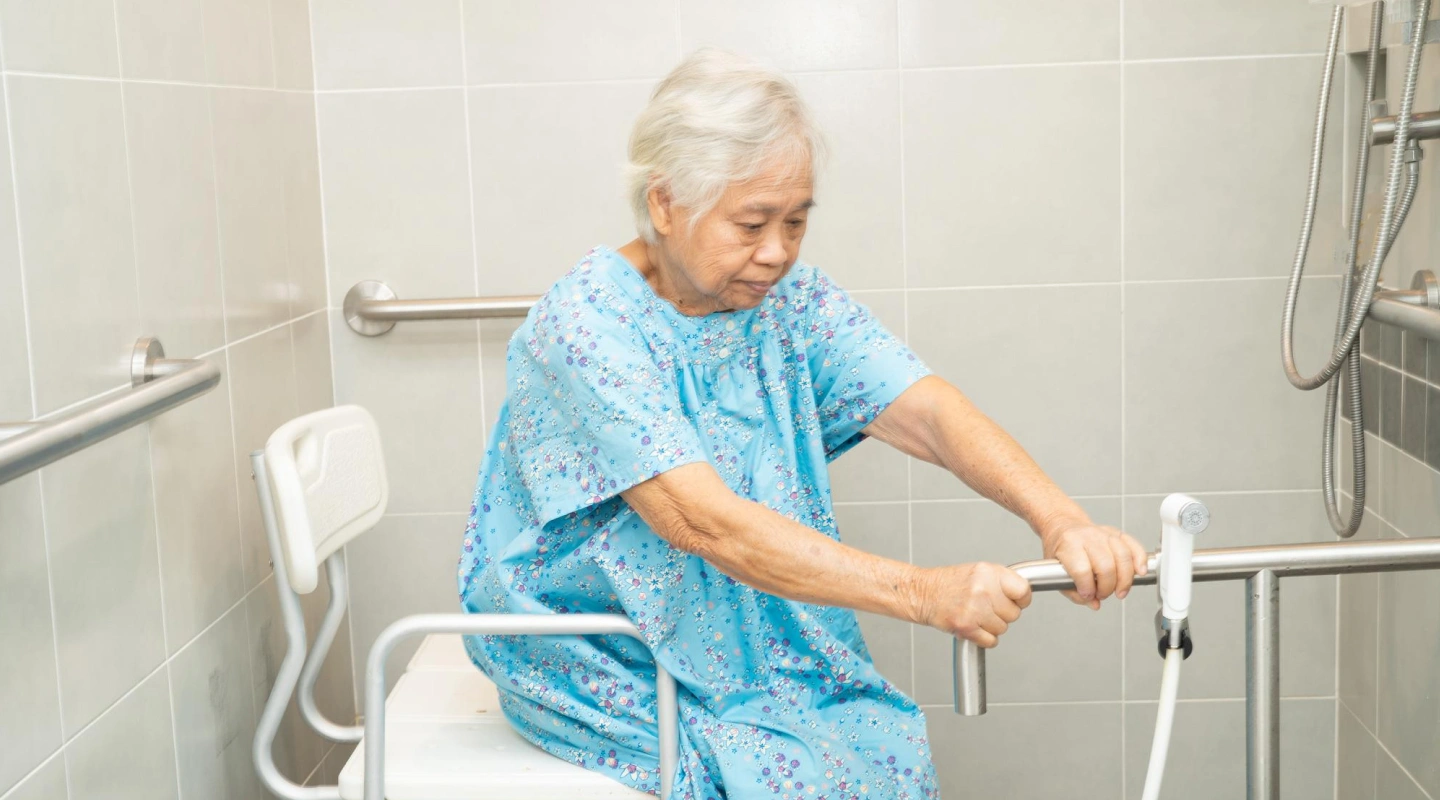
| Grab rails in bathroom and toilet | Safety when climbing steps or transfers | $300 to $800 |
| Step platform at toilet | Access to standard-height toilet | $200 to $500 |
| Motion-activated tap faucets | Reduces need to grip and turn taps | $300 to $800 |
| Lowered electrical switches and powerpoints | Independent control of lighting and appliances | $1,000 to $3,000 |
| Lower towel bars and mirrors | Daily grooming independence | $300 to $800 |
| Repositioned storage (lower shelving units) | Reach independence without climbing | $200 to $1,000 |
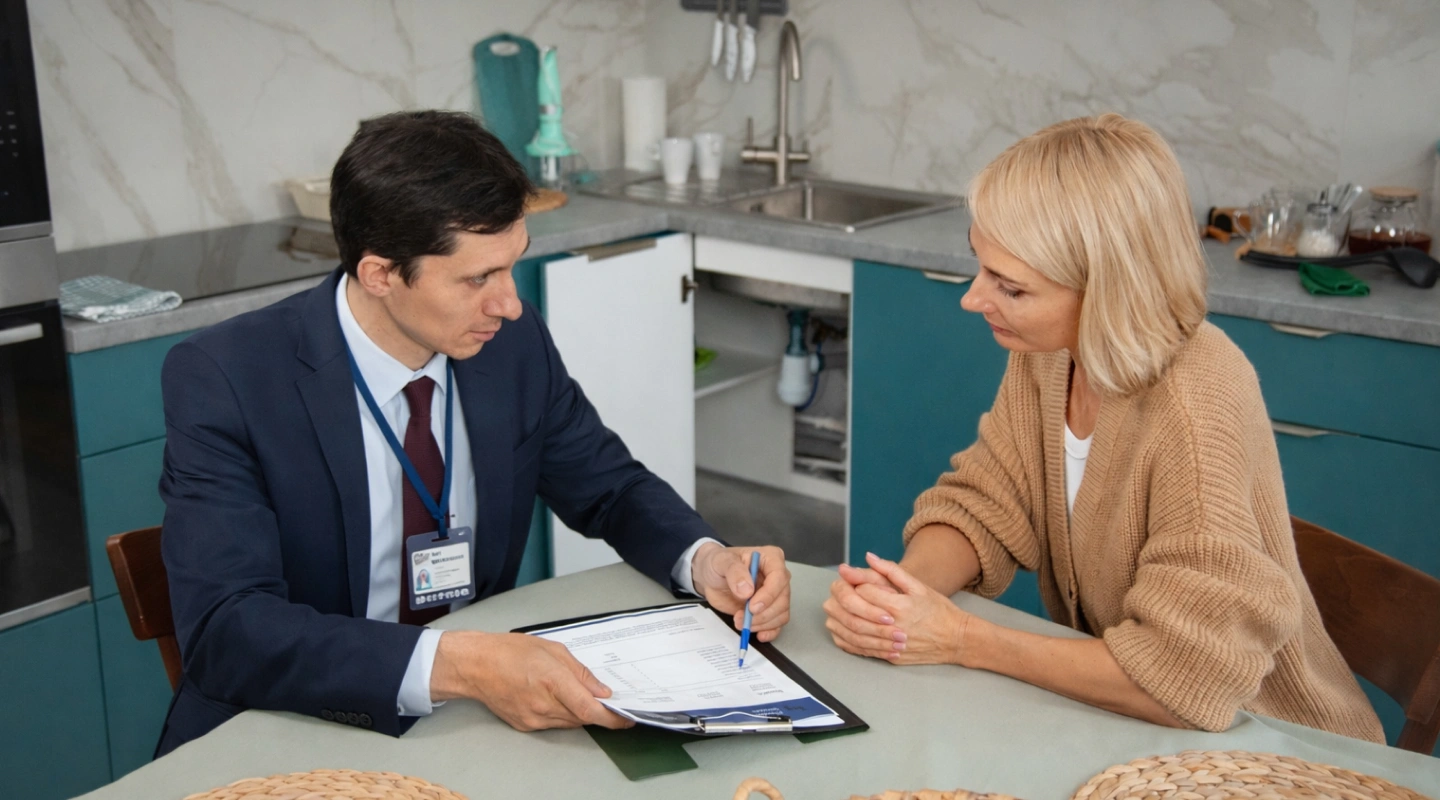
Minor modifications require an OT report recommending them, builder quotes, and NDIA approval before work begins. The builder must be a registered NDIS provider.
Complex home modifications
Complex modifications involve structural changes that require building approval, custom fabrication, or significant construction work. These are more expensive and the NDIA approval process is more involved. Examples include:
- Lowered kitchen benchtops: Replacing standard benches with custom surfaces at the right working height, including under-counter or low-positioned cooktops
- Adapted bathrooms: Wet rooms, roll-in showers, and bespoke bathroom furniture at accessible heights
- Stair modifications: Reduced riser heights, additional landing steps, or a home lift where stair access is significantly hazardous
- Accessible laundry: Front-loading appliances relocated to an accessible height with surrounding workspace modifications
Complex modifications require a detailed OT report, builder quotes from at least two registered providers, and explicit NDIA approval before any work commences. Expect this process to take six to twelve months from first OT assessment to work completion.
For a full overview of the NDIS home modification pathway, see our NDIS home modifications assessment guide.
Assistive Technology for Achondroplasia
Assistive technology (AT) for achondroplasia ranges from simple reaching aids to powered mobility equipment. The NDIS funds AT through the Capital Supports budget under the Assistive Technology line item.
Low-cost AT (under $1,500 per item)
These items can be purchased without prior NDIA approval, provided an AT assessor has recommended them as reasonable and necessary. Common items:
- Reaching grabbers and extended-handle tools (grooming aids, kitchen tools, cleaning equipment)
- Step stools with safety rails for kitchen and bathroom
- Long-handled shoe horns
- Lever-style tap adaptors
- Adapted writing and grip aids
Mid-range and complex AT
Items over $1,500 require an AT quote and NDIA approval. For achondroplasia, relevant items include:
- Lightweight manual wheelchairs: Useful for community mobility and longer distances where fatigue is a significant issue. The shorter gait pattern in achondroplasia means walking the same distance requires significantly more steps and energy expenditure than average.
- Power-assisted or electric mobility scooters: For adults where walking endurance is substantially limited by pain, fatigue, or spinal stenosis.
- Specialised furniture: Chairs, desks, and workstations at custom heights that allow safe and comfortable daily activity.
- Communication or environmental control systems: Less commonly needed but relevant where spinal stenosis affects upper limb function.
For a guide to the NDIS AT trial process before committing to purchase, see our article on NDIS assistive technology trials.
Vehicle modifications
Vehicle modifications are a separate AT category and are among the higher-cost items funded for achondroplasia. Common modifications include:
- Pedal extensions or relocated pedal systems
- Lowered or modified vehicle entry steps
- Hand controls for braking and acceleration where foot reach is significantly impaired
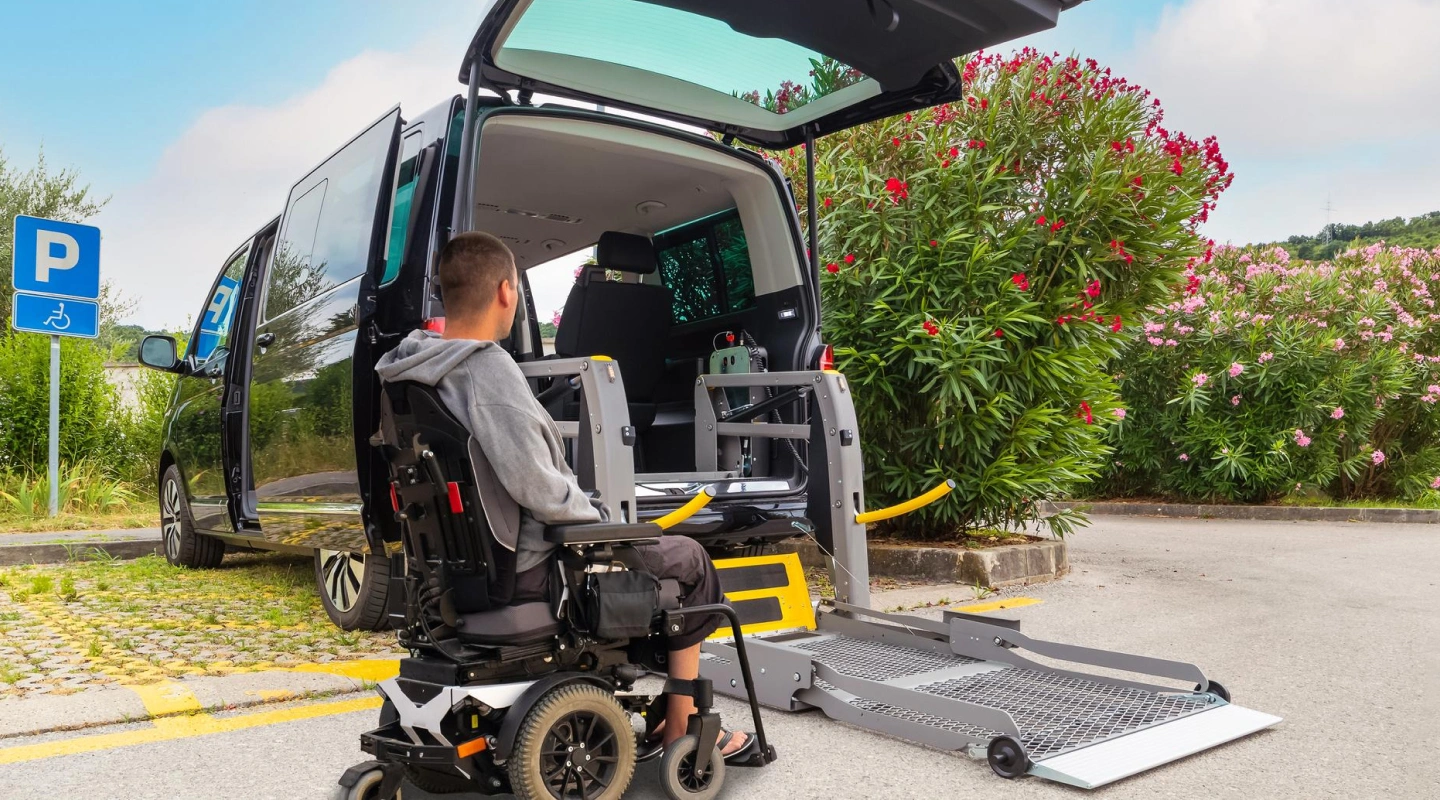
- Wheelchair-accessible vehicle conversions where mobility equipment is carried
All vehicle modifications must comply with Australian Design Rules and be certified by a qualified automotive engineer. Your OT provides the functional assessment that justifies the modification. The actual work is carried out by a specialist vehicle modifier registered with the NDIS. Request quotes from at least two providers before submitting to the NDIA.
Support Workers in an Achondroplasia Plan
Not every person with achondroplasia will need funded support worker hours, but where daily living tasks are significantly constrained, this can be included under Core Supports.
When support workers are typically included
- Personal care tasks where reach or dexterity limitations mean the person cannot safely complete showering, dressing, or grooming independently
- Domestic assistance where home modifications have not been completed yet or where fatigue limits the person’s capacity to manage household tasks
- Community participation, particularly for activities that involve significant walking, climbing, or navigation of inaccessible environments
- Supervision and safety during activities with fall or injury risk
Support worker skills for achondroplasia
Support workers assisting someone with achondroplasia do not require specialist qualifications beyond standard NDIS worker screening clearance (NDIS Worker Screening Check). However, the ideal support worker will understand:
- Activity pacing, given that fatigue accumulates faster with achondroplasia’s shorter gait
- Safe manual handling if any transfers or physical assists are needed
- How to support without over-assisting, reinforcing the participant’s independence where possible
- Awareness of spinal stenosis symptoms and when to escalate to a medical provider
Physiotherapy in the Provider Team
Physiotherapy is commonly included in NDIS plans for achondroplasia, funded under Capacity Building, Improved Health and Wellbeing, or Improved Daily Living depending on the goal.
Physiotherapy for achondroplasia addresses:
- Spinal stenosis management: Exercise programs to maintain spinal mobility and reduce compression pain
- Gait and posture: Addressing the waddling gait pattern and compensatory postures that develop over time
- Strength and endurance: Building core and lower limb strength to reduce fatigue and protect joints
- Pain management: Education and exercise-based approaches to managing persistent musculoskeletal pain
Physios who work with people with achondroplasia should have experience in musculoskeletal or neurological conditions and, ideally, paediatric disability if working with children. Ask specifically about their experience with spinal stenosis management and gait rehabilitation.
For guidance on how allied health teams collaborate on complex plans, see our article on care coordination for complex needs.
Building Your Provider Team: A Practical Sequence
Building a coordinated provider team works best when done in sequence rather than all at once. The following order minimises wasted time and ensures each provider builds on the work of the previous.
Step 1: Secure an OT as your anchor provider
The OT assessment drives almost every other funding decision. Book the OT first. Provide them with any existing medical reports (neurologist notes, sleep study results, paediatric clinic records) so they are not starting from scratch.
Step 2: Get your plan in place with accurate evidence
If you are a new NDIS participant, the OT functional assessment should ideally be completed before your initial planning meeting. This gives your Local Area Coordinator or NDIA planner the evidence to fund the right supports from the start. Going into a planning meeting without functional evidence often results in an underfunded plan that requires a review.
Step 3: Engage physiotherapy
Once your plan is active, begin physiotherapy alongside the OT. The two disciplines complement each other: OT addresses environmental adaptations and equipment; physio addresses body function. They should communicate directly, or through your Support Coordinator.
Step 4: Initiate home modifications early
Home modifications take time. Even after the OT report is complete, NDIA review, builder selection, and construction scheduling add months. Lodge the modification request as early as possible so the home environment does not remain a barrier longer than necessary.
Step 5: Review annually and adjust
Achondroplasia is a lifelong condition, but functional needs change over time, particularly with ageing, complications of spinal stenosis, or significant life transitions (moving home, starting employment, having children). Your NDIS plan should be reviewed annually, and your OT should complete a reassessment before each plan review to ensure funding reflects current functional status.
Key Questions to Ask Providers Before Engaging
Questions for an OT
- Have you completed home modification reports for NDIS funding before?
- Do you have experience with skeletal dysplasias or musculoskeletal conditions affecting reach and gait?
- How long does your functional capacity assessment process take from initial booking to report delivery?
- Do you work with home modification builders directly, or do you expect the family to manage that coordination?
Questions for a home modification builder
- Are you registered as an NDIS provider for home modifications?
- Have you completed modifications for someone with short stature or achondroplasia before?
- Do you work from OT specifications, or do you require your own separate assessment?
- What is your current lead time from quote acceptance to work commencement?
Questions for a physiotherapist
- Do you have experience managing spinal stenosis in adults or children?
- Are you comfortable providing written progress reports to support NDIS plan reviews?
- Do you bulk bill or require out-of-pocket payments on top of NDIS funding?
Peer Support and Community Resources
Connecting with others who have lived experience of achondroplasia can provide practical insights that allied health providers cannot. In Australia, the main peer support organisation is:
- Short Statured People of Australia (SSPA): A national organisation providing peer support, information, and advocacy for people with achondroplasia and other forms of short stature. Their website includes resources on daily living, employment, and community access.
For medical guidance, the 2023 Australian guidelines for the management of children with achondroplasia (published in the Medical Journal of Australia) provide a clinical framework that parents and carers can reference when engaging both the NDIS and medical providers.
Frequently Asked Questions
Is achondroplasia automatically eligible for NDIS?
Achondroplasia appears on the NDIS List A, meaning a confirmed clinical or genetic diagnosis provides automatic access to the access criteria met pathway. Children with achondroplasia are typically eligible. For adults, the NDIA still assesses the functional impact of the condition. Stature alone is not sufficient; you need to demonstrate substantial and permanent impairment in one or more functional domains.
What kind of OT assessment do I need for home modifications?
You need a functional capacity assessment from a registered occupational therapist that documents your reach limitations, mobility restrictions, self-care challenges, and specific environmental barriers in your home. The OT will produce a home modification report recommending specific changes, item specifications, and cost estimates. This report is required before the NDIA will approve Capital funding for modifications above $1,500.
Does the NDIS fund step stools and reaching aids for achondroplasia?
Yes. Low-cost assistive technology items under $1,500 per item can be purchased using your Capital Supports budget without prior approval, provided a registered AT assessor has determined they are reasonable and necessary. Step stools with safety rails, reaching grabbers, and long-handled grooming aids are examples of items typically funded this way.
Can I get NDIS funding for vehicle modifications?
Yes, vehicle modifications are funded under Capital Supports as assistive technology. Common modifications include adapted pedals, lowered or modified entry systems, and hand controls. All vehicle modifications must meet Australian Design Rules and be certified by a Roads and Maritime Services engineer. Your OT provides a functional assessment; a specialised vehicle modifier carries out the work.
What is the difference between minor and complex home modifications in the NDIS?
Minor modifications are straightforward changes that do not affect the structure of the home and cost under $20,000. Examples include grab rails, lever handles, and lowered shelving. Complex modifications are structural changes, such as lowering a kitchen benchtop or installing a lift, that typically cost more and require building approval. Complex modifications require a more detailed OT report, builder quotes, and NDIA approval before work begins.
Should I use a Support Coordinator to find my provider team?
A Support Coordinator can be very helpful, especially in the early stages when you are building a provider team for the first time. They can identify OTs experienced with skeletal dysplasias, coordinate between your allied health providers, and help you track AT and home modification approvals. If your plan is straightforward, a Local Area Coordinator through the NDIS may be sufficient to get started.
How long does the home modification approval process take?
Timeline varies. Low-cost AT can be purchased almost immediately. For minor modifications, OT assessment, NDIA review, and builder scheduling typically take eight to sixteen weeks. Complex modifications can take six to twelve months, particularly where building approval is required. Starting the OT assessment as early as possible after plan approval shortens the overall wait.
Are there providers who specialise in achondroplasia specifically?
Very few providers in Australia focus exclusively on achondroplasia. The more productive approach is to find OTs and allied health providers experienced with skeletal dysplasias or musculoskeletal conditions more broadly, and home modification builders registered with the NDIS who have completed similar adapted housing work. The Short Statured People of Australia (SSPA) can also connect families with peer support networks.
Key Resources
- NDIS Assistive Technology, Home Modifications and Consumables Code Guide (NDIS, updated November 2025)
- Australian guidelines for the management of children with achondroplasia (Medical Journal of Australia, 2023)
- Short Statured People of Australia (peer support and community resources)
- NDIS Provider Finder (search for registered OTs, builders, and AT providers in your area)
Carevo connects NDIS participants with achondroplasia to occupational therapists, home modification builders, and assistive technology providers across Australia. Get matched with the right provider to start building your support team.
Find the right provider through Carevo
Answer a few quick questions and get matched with providers who fit your needs. Free, no obligation.
Need Support Workers?
Who is the care for?
Takes 30 seconds. Free, no obligation.
Customer Lead
Gemma is Carevo's Customer Lead. She spent several years working as a support worker before moving into concierge and partnerships roles, so she writes from the frontline of care.