Osteoporosis at Home: Fall-Risk Assessments and Safe Exercise Providers

Gemma Foxton
Customer Lead
Key Points
- Osteoporosis alone does not qualify for NDIS; most Australians manage it through My Aged Care (Support at Home packages for those aged 65 and over) or Medicare-funded allied health visits
- The FRAX fracture risk assessment tool is the recommended starting point for calculating 10-year fracture probability; the 2024 RACGP and Healthy Bones Australia guidelines recommend a two-step approach: FRAX first, then DXA scanning for those identified at intermediate risk
- Exercises involving loaded spinal flexion (sit-ups, crunches) and combined flexion-rotation (Russian twists) are contraindicated; appropriate exercise includes weight-bearing impact loading, resistance training, and balance work under professional supervision
- The Onero program, delivered by accredited physiotherapists and exercise physiologists, is the highest-evidence supervised exercise program for osteoporosis; 86% of participants in the LIFTMOR trial increased lumbar spine bone mass
- An OT home assessment identifying fall hazards and recommending modifications (grab rails, non-slip surfaces, lighting upgrades, raised toilet seats) is the most cost-effective single intervention for fracture risk reduction at home
- Dietary calcium of 1,000 to 1,300 mg per day from food sources (not primarily supplements) and adequate vitamin D are the nutritional foundations of bone health; an APD can optimise dietary intake
Osteoporosis at Home: Why a Provider Team Matters
Osteoporosis is a condition of bone fragility, and its most serious consequence is fracture, particularly vertebral and hip fractures in older adults. Hip fractures in particular are associated with significant loss of independence, prolonged rehabilitation, and increased mortality risk.
Managing osteoporosis at home requires more than a medication prescription. The evidence base for fracture prevention involves three parallel strategies: exercise to build bone mass and muscle strength, fall prevention through environment and balance interventions, and nutritional support for bone health. Each strategy requires a different provider.
This guide covers the provider team, how to assess fracture risk, what exercise is safe and what is not, and how to navigate the funding pathways.
Fracture Risk Assessment: The FRAX Tool
Before designing an osteoporosis management program, the person’s fracture risk should be formally assessed. The FRAX tool (available at frax.shef.ac.uk/FRAX/index.aspx) calculates the 10-year probability of a major osteoporotic fracture and a hip fracture based on clinical risk factors.
FRAX uses:
- Age and sex
- Body mass index
- Prior fragility fracture (fracture from a fall from standing height or less)
- Parental hip fracture history
- Current smoking
- Glucocorticoid use (prednisolone or equivalent for three months or more)
- Rheumatoid arthritis
- Secondary osteoporosis causes
- Excess alcohol intake (three or more units per day)
- Optionally: bone mineral density from DXA scan
The 2024 RACGP and Healthy Bones Australia guidelines recommend FRAX as the starting point, with a two-step approach:
- Calculate FRAX using clinical risk factors alone (without DXA)
- If the result falls in the intermediate range, proceed to DXA scanning and recalculate FRAX with BMD included
- Use the final FRAX result to guide treatment decisions
Key limitation: Standard FRAX does not incorporate fall history, which underestimates fracture risk in people who fall frequently. The newer FRAXplus adjusts for falls in the previous year and provides a more accurate estimate for this group.
DXA scanning is Medicare-funded for adults aged 70 and over, those with a previous fragility fracture, and those taking certain medications (including long-term glucocorticoids). Ask your GP whether DXA is indicated.
The Provider Team: What Each Role Covers
Physiotherapist
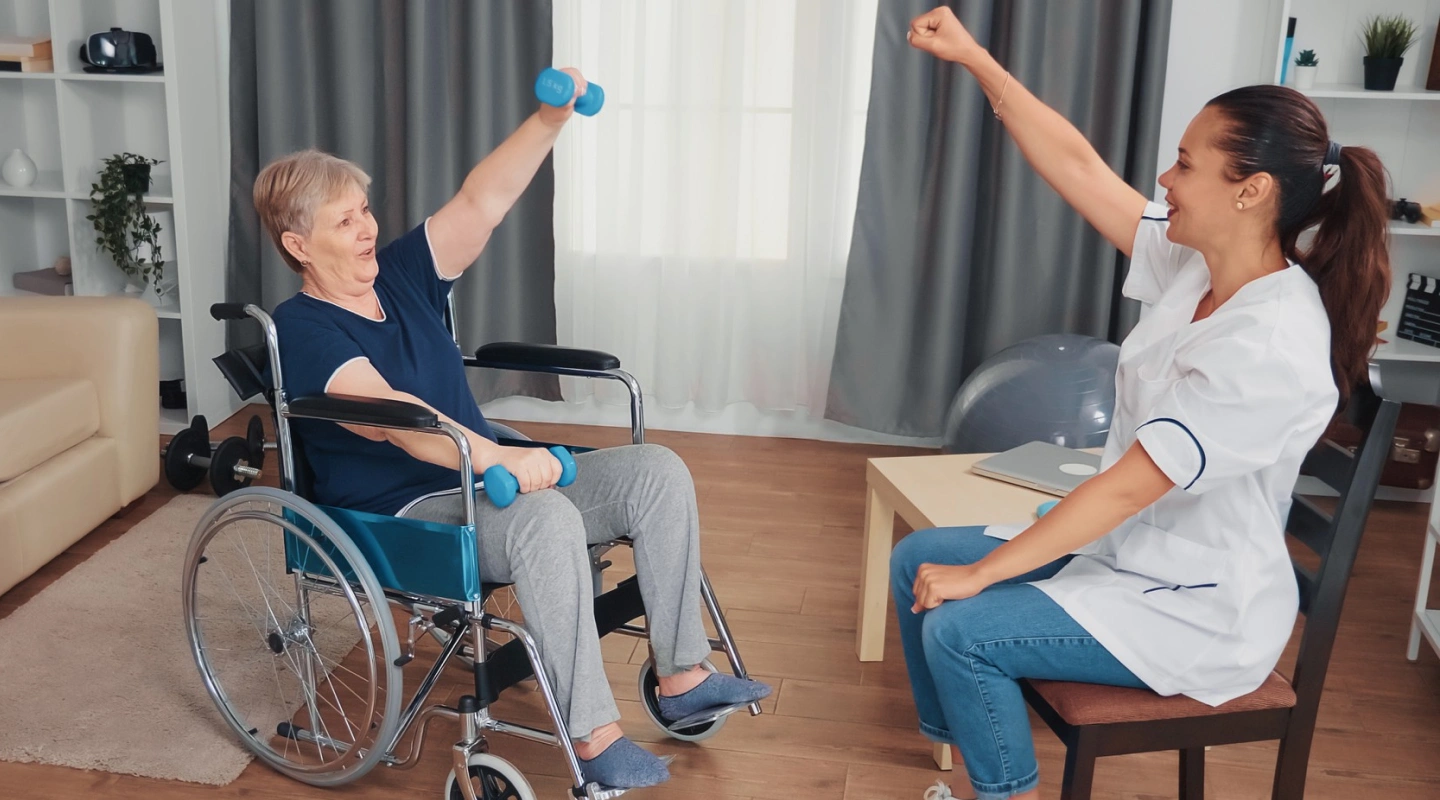
The physiotherapist is the primary provider for exercise prescription, balance training, and post-fracture rehabilitation.
Fracture prevention phase:
- Assessment of balance, gait, and fall risk
- Prescription of weight-bearing impact exercises appropriate to the person’s current bone density and fitness level
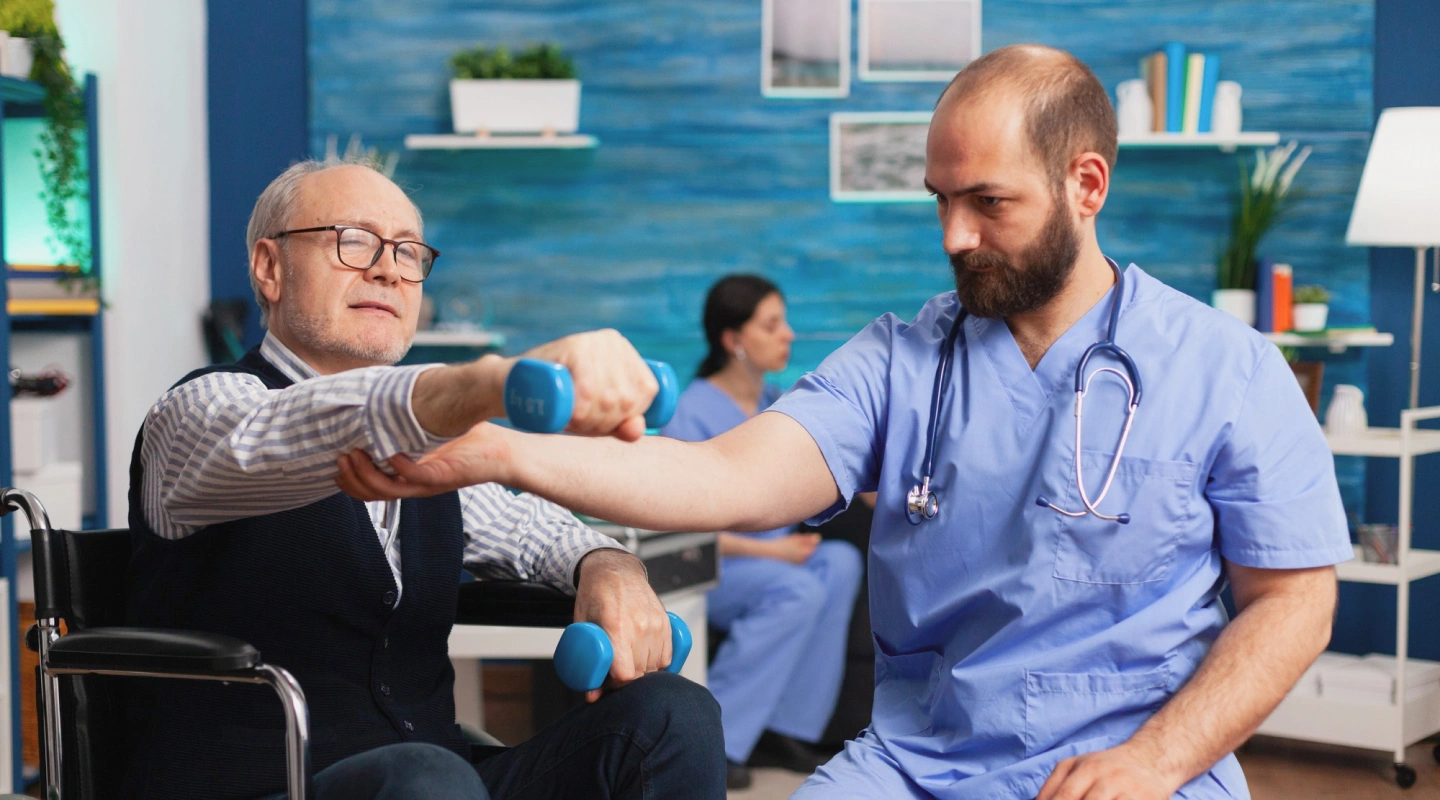
- Resistance training targeting muscle groups attached to the hip and spine
- High-challenge balance exercises (standing on one leg, unstable surfaces under supervision)
- Identification of exercises to avoid given fracture history or bone density
Post-fracture rehabilitation:
- After hip fracture (usually surgical repair): early mobilisation, weight-bearing progression, gait retraining, stair practice, return to home environment
- After vertebral fracture: rest during acute pain, then gradual reintroduction of back extensor exercises, posture work, and core stability
- After wrist fracture: hand and wrist rehabilitation, grip strength restoration
When selecting a physiotherapist for osteoporosis, ask specifically whether they have experience with osteoporosis exercise prescription and whether they use evidence-based bone loading programs. Accredited Onero practitioners represent the highest evidence standard.
Accredited Exercise Physiologist
An accredited exercise physiologist (AEP) holds university qualifications in exercise science and clinical exercise prescription. For osteoporosis, the AEP’s role complements the physiotherapist:
- Designing and supervising progressive bone-loading exercise programs for people who are medically stable but need ongoing structured exercise
- Delivering the Onero program (requires specific accreditation; find practitioners at healthybonesaustralia.org.au)
- Managing exercise for people with multiple comorbidities where a standard exercise program poses risk without careful modification
Supervision is mandatory for osteoporosis exercise: Due to skeletal fragility, Australian guidelines strongly recommend that exercise for osteoporosis be supervised by a physiotherapist or AEP, particularly for high-intensity bone-loading programs. Unsupervised exercise programs downloaded from the internet or general gym training without osteoporosis-specific guidance are not appropriate.
Occupational Therapist
The OT focuses on the home environment and equipment for fall and fracture risk reduction.
Home safety assessment:
- Walk-through of all rooms identifying trip hazards: loose rugs, trailing cords, unstable furniture, low obstacles
- Bathroom assessment: slip risk in the shower and bath, toilet transfer safety, lighting
- Stair assessment: handrail presence on both sides, stair nosing contrast, lighting at top and bottom, any clutter on stairs
- Bedroom assessment: bed height for safe transfers, furniture on the path to the bathroom (night navigation), lighting
- Outdoor assessment: path conditions, step edges, lighting
Equipment prescription:
- Raised toilet seat: reduces the load on hips and knees during sit-to-stand and reduces fall risk during urgency
- Shower chair or bench: eliminates the fall risk of standing on wet surfaces
- Grab rails beside toilet and in the shower
- Walking aids (if needed): hip height cane, four-wheeled walker
- Hip protectors: padded garments that absorb impact over the hip; evidence for fracture prevention in high-risk falls, though compliance is variable
- Non-slip bath and shower strips
Home modification report: For structural modifications (permanent grab rail installation, ramp, stair handrail on second side), the OT produces a report for My Aged Care or NDIS Capital funding.
For a detailed room-by-room guide to fall prevention modifications, see our article on falls prevention home modifications for older Australians.
Dietitian
Bone health requires adequate calcium and vitamin D over the long term. An accredited practising dietitian (APD) with experience in bone health provides:
- Dietary calcium assessment: calculating daily calcium intake from food sources
- Meal planning to achieve 1,000 to 1,300 mg per day from food rather than primarily supplements (food-source calcium is better absorbed and does not carry the cardiovascular risk associated with high-dose calcium supplements)
- Identifying barriers to adequate calcium intake (lactose intolerance, dairy avoidance, swallowing difficulty, appetite changes)
- Vitamin D: assessing sun exposure habits and dietary sources, recommending supplementation if indicated
- Weight management: low BMI increases fracture risk; nutritional support for people who are underweight is clinically relevant
- Medication interactions: some medications reduce calcium absorption or increase calcium excretion; the dietitian reviews these in the context of dietary intake
Dietitian services are available under Medicare’s Chronic Disease Management plan (5 visits per year for eligible patients with a GP care plan) and under My Aged Care Support at Home packages.
Safe Exercise for Osteoporosis: Evidence and Contraindications
The evidence base for exercise in osteoporosis is strong and specific. The combination of weight-bearing impact loading, progressive resistance training, and balance work produces the greatest benefit for bone health and falls prevention.
Recommended exercise types
Weight-bearing impact loading: Exercise that loads the skeleton against gravity through movement. Walking, stair climbing, dancing, and low-level impact activities (stepping down from a low step) stimulate bone formation through mechanical loading. Impact must be moderate; high-impact jarring is contraindicated for severe osteoporosis. For sedentary individuals, begin with walking and progress to more loaded activities over six to twelve weeks.
Progressive resistance training: Exercises targeting the muscles attached to and crossing the hip and spine: squats, leg press, hip abduction and extension, back extensions, and rows. The exercises must be progressive: increasing resistance over time to continue providing stimulus to bone. The LIFTMOR trial, which formed the basis of the Onero program, demonstrated significant bone mass gains from high-intensity supervised resistance training in postmenopausal women with low bone mass.
High-challenge balance training: One-leg standing, tandem walking, and balance board exercises reduce fall risk by improving neuromuscular control. These should be supervised initially, particularly for people with prior falls.
Contraindicated exercises
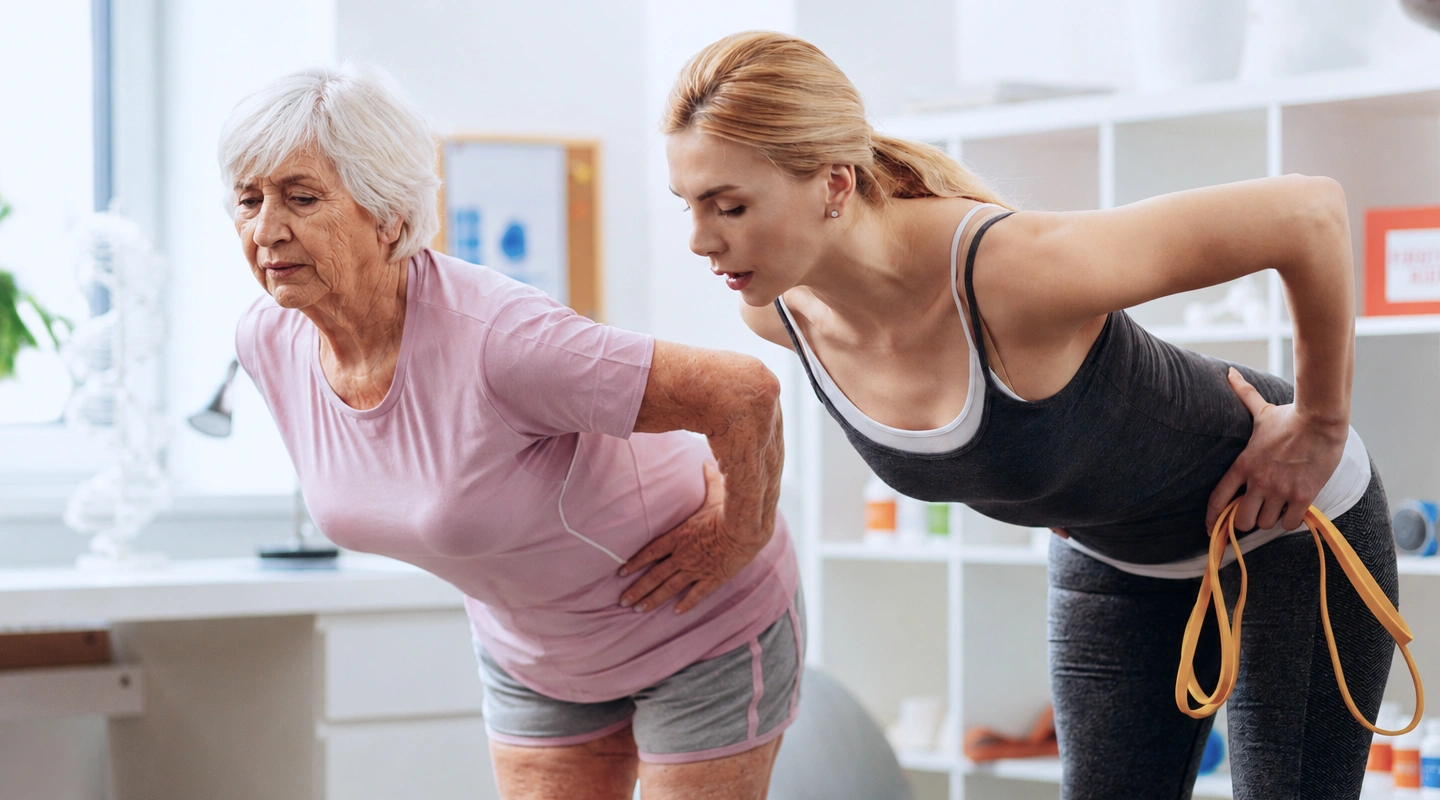
Loaded spinal flexion: Sit-ups, crunches, and toe-touches create compressive flexion forces on the vertebral bodies, which are a common fracture site in osteoporosis. These exercises must not be used in any osteoporosis exercise program.
Combined flexion and rotation under load: Russian twists, cable woodchops, and rotational medicine ball throws combine two high-risk loading patterns. These are among the most likely exercises to cause vertebral fractures in people with osteoporosis.
High-impact activities in severe osteoporosis: Running, jumping, and high-intensity sport carry fracture risk where bone density is very low. Introduce impact progressively from low levels, under physiotherapist supervision, rather than beginning with running or jumping.
The Onero Program
Onero is the highest-evidence supervised exercise program for osteoporosis available in Australia. Developed at Griffith University from the LIFTMOR (Lifting Intervention for Training Muscle and Osteoporosis Rehabilitation) trial, it involves high-intensity supervised resistance training and impact exercises twice per week.
Results from the LIFTMOR trial: 86% of participants increased lumbar spine bone mass, 69% increased hip bone mass, and significant improvements in functional balance and back extensor strength were demonstrated.
Onero must be delivered by an accredited practitioner (physiotherapist or AEP). Find accredited Onero practitioners through Healthy Bones Australia’s provider directory at healthybonesaustralia.org.au/resources/find-a-practitioner.
Fracture Prevention vs. Post-Fracture Care
The approach to osteoporosis management differs significantly depending on whether a fracture has occurred.
Fracture prevention
Goal: maximise bone mass, muscle strength, and fall prevention before a fracture occurs. Interventions: Onero or equivalent supervised bone-loading exercise, home hazard reduction, dietary calcium and vitamin D optimisation, medication review for fracture risk.
Post-fracture care (vertebral fracture)
Goal: pain management, return to function, prevention of the next fracture.
- During the acute pain phase (first two to six weeks): rest, pain management, avoid any exercise that loads the spine in flexion
- Subacute phase: back extensor strengthening, gentle posture work, gradual mobility restoration under physiotherapist guidance
- Ongoing: progressive loading exercise under supervision, home modifications to reduce fall risk, bone health medication review
Post-fracture care (hip fracture)
Hip fracture almost always requires surgical repair (hemiarthroplasty or total hip replacement). Post-operative rehabilitation:
- Early mobilisation, typically within 24 to 48 hours post-surgery
- Weight-bearing progression under physiotherapist supervision
- Stair practice before hospital discharge
- Return to home with community physiotherapy continuing rehabilitation
- OT home assessment before or immediately after discharge to ensure the home environment is safe
A fracture liaison service (FLS) should be activated for any fragility fracture. If your hospital has one, they will assess bone density, initiate bone health medication if indicated, and communicate with your GP. Ask whether an FLS referral has been made.
Funding Pathways
| Service | Over 65 (Support at Home) | Under 65 (NDIS if eligible) | Medicare |
|---|---|---|---|
| Physiotherapy | Yes | Yes (if NDIS eligible) | CDM plan (5 visits/year) |
| Exercise physiology | Yes | Yes | CDM plan (5 visits/year) |
| Occupational therapy | Yes | Yes | Limited Medicare access |
| Dietitian | Yes | Yes | CDM plan (5 visits/year) |
| Home modifications | Yes (within package) | Yes (Capital Supports) | Not Medicare-funded |
For people aged 65 and over, contact My Aged Care on 1800 200 422 to arrange a home support assessment. Support at Home packages range from approximately $11,000 to $78,000 per year across eight levels. The assessment determines which level is appropriate.
For people under 65 with osteoporosis causing substantial functional impairment, contact the NDIS on 1800 800 110 to discuss whether access is possible.
Frequently Asked Questions
Does osteoporosis qualify for NDIS?
Osteoporosis alone does not qualify. For people over 65, My Aged Care and Support at Home packages are the appropriate pathway. For people under 65, NDIS access requires evidence of substantial functional impairment, which osteoporosis alone typically does not produce.
What is the FRAX tool?
FRAX calculates 10-year fracture probability from clinical risk factors. Australian guidelines recommend FRAX as the starting point, with DXA scanning for intermediate-risk results.
What exercises are contraindicated for osteoporosis?
Loaded spinal flexion (sit-ups, crunches) and combined flexion-rotation (Russian twists, woodchops). High-impact activities in severe osteoporosis. After vertebral fracture, avoid all spinal loading until acute pain resolves.
What is the Onero program?
Onero is an accredited, evidence-based supervised exercise program for osteoporosis based on the LIFTMOR trial. It involves high-intensity resistance and impact training twice weekly. Find accredited practitioners through Healthy Bones Australia.
What does an OT do for osteoporosis?
Assesses the home for fall hazards, recommends equipment (raised toilet seat, grab rails, shower chair, hip protectors), and produces a home modification report for funding. Home modifications can reduce falls by up to 38% in high-risk populations.
How much calcium and vitamin D does a person with osteoporosis need?
1,000 to 1,300 mg of calcium per day, preferably from food. Vitamin D primarily from sun exposure in Australia. An APD can optimise dietary calcium intake.
Can a person with osteoporosis use a home care package for physiotherapy?
Yes. Support at Home packages fund physiotherapy, exercise physiology, OT, and dietitian services. My Aged Care assessment determines the package level.
What is a fracture liaison service?
A hospital-based coordinator program that identifies fragility fracture patients, assesses for osteoporosis, initiates treatment, and communicates with the GP. Ask your treating doctor whether a referral has been made after any fragility fracture.
Key Resources
- Healthy Bones Australia (FRAX calculator, Onero practitioner directory, patient resources)
- 2024 RACGP/Healthy Bones Australia osteoporosis guidelines (clinical guidelines)
- My Aged Care (1800 200 422, Support at Home assessment and access)
- Exercise and Sports Science Australia (find accredited exercise physiologists)
Carevo connects people with osteoporosis to physiotherapists, exercise physiologists, OTs, and dietitians across Australia. Get matched with the right provider to build your bone health and fall prevention support team.
Find the right provider through Carevo
Answer a few quick questions and get matched with providers who fit your needs. Free, no obligation.
Need Home Care Packages?
Who is the care for?
Takes 30 seconds. Free, no obligation.
Customer Lead
Gemma is Carevo's Customer Lead. She spent several years working as a support worker before moving into concierge and partnerships roles, so she writes from the frontline of care.