Used Disability Equipment Australia 2026: Buy & Sell

Andre Smith
Co-founder & CEO
1. Introduction: Accessing affordable disability equipment in Australia
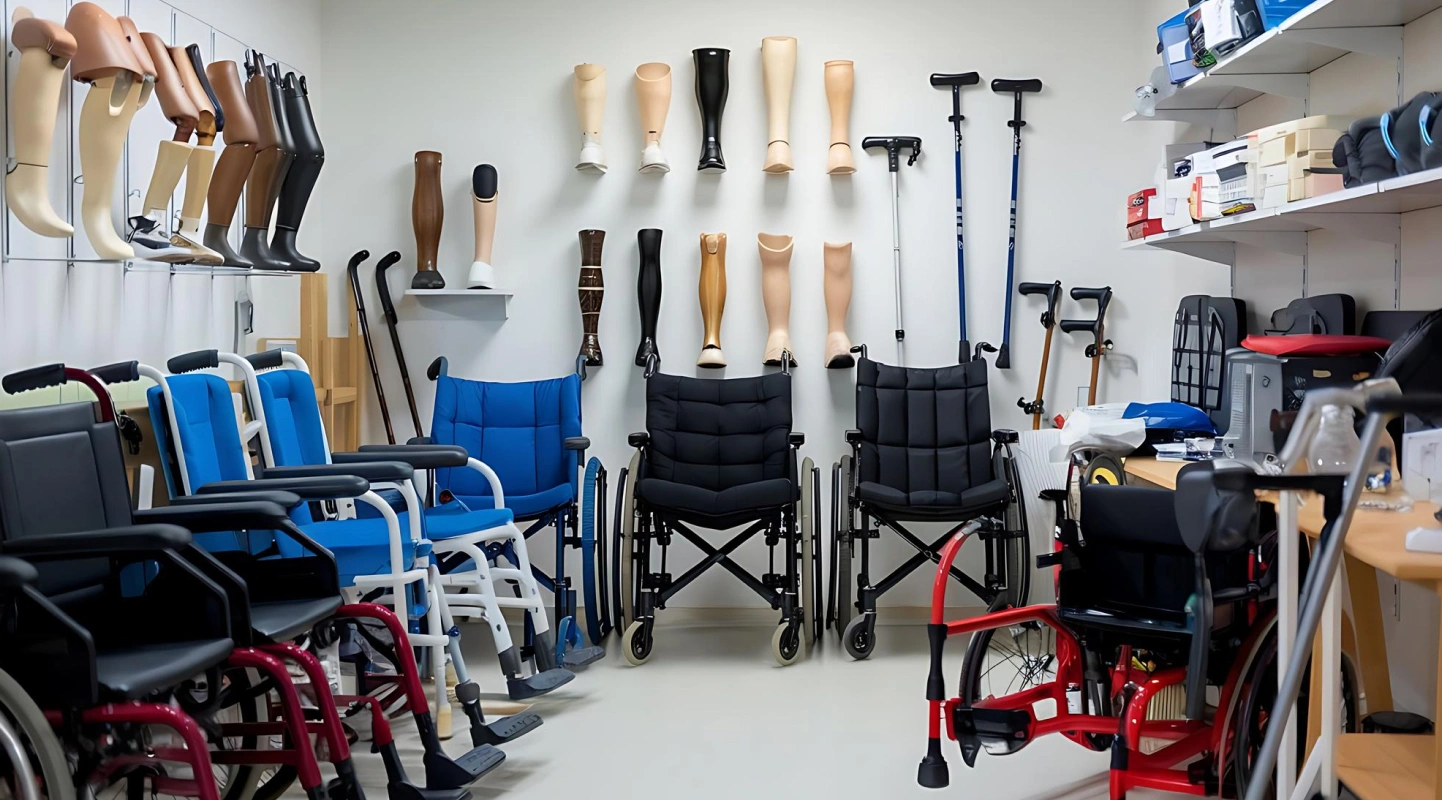
New disability equipment and mobility aids often cost a lot for many Australians.1 The second-hand market for used disability equipment is a cheaper alternative, so people can get the equipment they need without paying full price for brand-new items. This guide covers how to buy, sell, and donate used disability equipment for sale across Australia. For information on specific suppliers, you can also read our guides on Surgical House and Independent Living Centres.
It covers more than finding items. It also explains safety checks, what National Disability Insurance Scheme (NDIS) funding means for these purchases, and how to identify reputable sources. The second-hand market has benefits on both sides: buyers save money, and sellers can recoup some of their initial costs or pass on equipment they no longer need to someone who does.2 Re-using equipment also cuts waste and keeps useful items in circulation.
The main reason people look at the second-hand market is affordability.1 That saving has to be weighed against risks around safety, hygiene, and whether the equipment suits the user.4 Reliable information matters here because these are health-related products. The range of platforms, including many online marketplaces and community groups, can feel scattered.6 This guide pulls those options together and gives practical advice.
It is written for Australians searching for “second hand disability equipment,” “used mobility aids,” and related terms for buying and selling within Australia.
2. Weighing the Options: Benefits vs. Risks of Second-Hand Disability Equipment
Choosing between new and second-hand disability equipment is a trade-off between cost savings and risk. Weigh both sides so you make a decision that suits your budget and your well-being.
2.1 The Advantages (Beyond Cost)
The clearest benefit of buying second-hand is the cost saving compared to new items.1 Mobility aids and medical equipment depreciate heavily, similar to vehicles, so used items are often available at a fraction of their original price.9
Used equipment is also better for the environment. It reduces manufacturing demand and keeps working items out of landfill.2
Buying second-hand can also mean faster access. Wait times for new items, especially custom-ordered ones, can be long, while a used item may be available straight away. It can also be a way to find older or discontinued models that suit a user’s needs but are no longer sold new.
2.2 Potential Pitfalls and How to Avoid Them
While the benefits are attractive, prospective buyers must be aware of the potential downsides associated with second-hand disability equipment.
- Safety & Reliability: Used equipment can be worn, damaged, or prone to malfunction.4 Damage is not always visible, especially internal weaknesses from previous impacts.5 The true condition and history can be hard to assess 10, which can lead to safety hazards if the equipment fails during use.
- Mitigation Strategy: Thorough pre-purchase inspections (detailed in Section 6) and seeking advice from qualified professionals (like Occupational Therapists or Physiotherapists) are essential.
- Hygiene Concerns: Items used personally, such as commodes, shower chairs, or mattresses, present obvious hygiene challenges.4 Inadequate cleaning can pose health risks, particularly for individuals with compromised immune systems.4
- Mitigation Strategy: Clean and sanitise these items thoroughly (see Section 6).
- Suitability & Fit: Disability equipment often needs to be tailored to an individual’s specific measurements, condition, and functional requirements. A second-hand item may not provide the correct fit or support, potentially causing discomfort, reducing effectiveness, or even leading to injury.4 This is especially true for items like custom wheelchairs or fitted equipment such as stairlifts or hoists, which were originally customised for someone else.5 Using an inappropriate aid, or using an aid incorrectly, can sometimes cause more harm than good.11
- Mitigation Strategy: Get an Occupational Therapist (OT) or Physiotherapist (PT) to assess the item before purchase to confirm it suits the user (see Section 6).
- Lack of Warranty & Support: Unlike new products, second-hand items typically do not come with a manufacturer’s warranty.4 If the equipment breaks down, the buyer bears the full responsibility and cost of repairs. Finding replacement parts, especially for older or discontinued models, can be difficult or impossible, potentially rendering the item unusable.9
- Mitigation Strategy: Buyers should inquire about the item’s age, repair history, and the availability of spare parts before committing (see Section 6).
- Scams: Online marketplaces, while convenient, can expose buyers to potential scams, particularly when dealing with unknown private sellers.13 Misrepresentation of item condition or non-delivery after payment are risks.
- Mitigation Strategy: Use reputable platforms, stay cautious, and follow the platform’s safety guidelines. Platforms that specialise in disability equipment tend to be more trustworthy.
- Consumer Rights: Purchasing from private sellers offers fewer consumer protections under Australian Consumer Law compared to buying new items from a business.5 Recourse for faulty goods is significantly limited.
- Mitigation Strategy: Understanding basic consumer rights and preferring reputable sellers or platforms where possible. Linking to ACCC resources provides further information (see Section 7).
Avoiding these pitfalls takes care. Because the risks are not well understood, buyers can fixate on the price alone.4 Setting out the problems, along with the fixes covered later, helps. Suitability matters most. The need for professional assessment 5 shows that a cheap item is not enough on its own; it has to be the right item for the person’s safety and well-being.
3. Where to Find Second-Hand Disability Equipment in Australia
The market for used disability equipment in Australia is varied, with several places for buyers to look. Knowing where to look, and what each platform is like, makes the search quicker.
3.1 Online Marketplaces & Classifieds
These platforms reach a wide audience but vary in how specialised they are.
General Platforms:
| Platform | Website | Best For | Pros | Cons |
|---|---|---|---|---|
| Gumtree | gumtree.com.au | Local pickup, all equipment types | Free listings, location-based search, large audience | Variable quality, scam risk |
| Facebook Marketplace | facebook.com/marketplace | Local sales, quick transactions | Direct messaging, see seller profiles, free | Requires Facebook account |
| eBay Australia | ebay.com.au | Rare items, interstate purchases | Buyer protection, auction options, wide selection | Fees for sellers, shipping costs |
Specialist Disability Platforms:
| Platform | Website | Description |
|---|---|---|
| eBility | ebility.com | Australia’s leading accessible classifieds since 1998. Lists disability equipment, accessible vehicles, and modified properties. Trusted by the disability community. |
| AT Australia | ataustralia.org.au | Peak body for assistive technology with a second-hand equipment register and resources. |
| FlexEquip | flexequip.com.au | Equipment loan and recycling program operating across multiple states. Offers refurbished equipment at reduced prices. |
| Yooralla Equipment Solutions | yooralla.com.au | Victorian provider offering second-hand and refurbished equipment with professional assessment. |
| TAD (Technical Aid to the Disabled) | tad.org.au | Refurbishes and provides custom equipment. TADACT op shop sells reconditioned items. |
| MediAids Marketplace | Contact local branches | Regional platforms for buying and selling second-hand disability equipment. |
Key retailers who supply NDIS equipment, such as Surgical House and Independent Living Centres, may also have clearance or ex-demo stock available.
3.2 Dedicated Facebook Groups
Online communities can be valuable resources.
- Specific Australian Facebook groups facilitate buying, selling, and swapping:
- “Second-hand equipment for children with disability in Australia” 6
- “Disability Equipment Australia for Sale or Swap” 6
- “Buy and Sell Disability Products Australia - new and used” 6
- “Disability and Special Needs Equipment Australia - Buy, Sell Swap or Free” 6
- Pros: Community focus, potential for specific item requests, peer-to-peer interaction.
- Cons: Requires Facebook access, variable moderation, potential for scams still exists.
3.3 Specialist Retailers & Refurbishers
Some businesses that deal in mobility and disability equipment also sell used or refurbished items. Many retailers focus mainly on new equipment and NDIS services.20 Some, though, advertise second-hand, clearance, or refurbished stock:
- Examples include: Statewide Home Health Care (VIC) 21, ILS (National - check ‘Clearance Sale’) 23, Get About Mobility (online - mentions possibility) 15, Motobility (WA) 26, Liberty Healthcare (online - ‘Clearance’) 27, Westernport Mobility (VIC) 28, Astley Mobility (NSW - ‘Ex Demo’) 29, Mobility Scooters for Hire Sales Service Melbourne (VIC) 30, Freedom Mobility (VIC) 31, Mobility Scooters Kingsgrove (NSW - ‘Pre-Loved & Refurbished’) 32, Mobile Independence (QLD) 34, TADACT (ACT - Refurbished) 19, Blue Sky Healthcare (WA).35
- Pros: Items may have undergone some checks or servicing, potential for limited warranties (e.g., 3 months mentioned by 30), staff may have product knowledge.
- Cons: Selection is usually limited, and prices can be higher than private sales. Always confirm with the retailer that they actually stock used items, as many sell only new.
3.4 Charities and Non-Profits
Organisations accepting donations (see Section 5) sometimes resell equipment at low cost. The Rotary Aiding Mobility Program (RAMP) is specifically noted for providing donated mobility aids to those in need, often via health professionals.7
With this many channels, buyers need to weigh them against their priorities: budget, urgency, the need to inspect an item, or how much trust they want. Specialist platforms like eBility 1 let you search a focused set of listings, while general platforms like Gumtree 6 reach more people. Retailers selling used stock 28 sit in the middle, with some vetting but usually higher prices than private sales.
Table 1: Comparison of Platforms for Buying Second-Hand Disability Equipment in Australia
| Platform Type | Examples | Pros | Cons | Best For… |
|---|---|---|---|---|
| General Online Classifieds | Gumtree 6, eBay 6, Facebook Marketplace 7 | Large volume of listings, potentially lowest prices, local search options. | Higher scam risk, variable item quality/descriptions, less specialized, need for careful vetting. | Bargain hunting, finding common items locally, buyers comfortable with vetting. |
| Specialist Disability Platforms | eBility 6, MediAids Marketplace 6, AT Australia Register 6, TAD Equip 6 | Focused listings, potentially more knowledgeable users, potentially higher trust, specific categories. | Fewer listings than general sites, prices might be slightly higher. | Finding specific disability equipment, buyers seeking more specialized platforms. |
| Dedicated Facebook Groups | ”Disability Equipment Australia for Sale or Swap” 6, “Buy and Sell Disability Products Australia” 6, Children’s specific groups 6 | Community aspect, peer recommendations, specific item requests possible. | Requires Facebook, variable group rules/moderation, scam potential remains. | Community interaction, finding specific items through requests, niche needs. |
| Retailers (Used/Refurbished) | Westernport Mobility 28, Mobility Scooters for Hire (Melb) 30, Mobility Scooters Kingsgrove 32, TADACT 19, ILS Clearance 23, Liberty Clearance 27 | Items may be checked/serviced, potential for limited warranty, staff knowledge, physical inspection possible. | Limited selection, often higher prices than private sales, must verify they sell used stock. | Buyers who want some pre-checking and support and will pay more. |
| Charities/Non-Profits | Rotary RAMP 7, Salvos/Vinnies (check locally) 17 | Very low cost or free, supports a good cause. | Limited availability, often requires referral via health professional (e.g., RAMP), basic items usually. | Individuals with very limited budgets, often connected via support services. |
4. Selling Your Unused Disability Equipment in Australia
When disability equipment is no longer needed, selling it can recoup some of the cost and help someone else. Selling well comes down to choosing the right platform and presenting the item honestly.
4.1 Where to List Your Items
The same platforms used for buying are generally the primary avenues for selling:
- Online Marketplaces & Classifieds: General sites like Gumtree, eBay, and Facebook Marketplace offer wide exposure.6
- Specialist Disability Platforms: Websites like eBility are specifically designed for this purpose and attract a relevant audience.1 Listing on these platforms can connect sellers with buyers actively seeking disability-specific items.
- Dedicated Facebook Groups: Australian disability equipment buy/sell/swap groups provide a targeted community forum.6
- Retailers: While some retailers might buy used equipment or accept trade-ins 15, this is often less common, and the offered price may be significantly lower than private sales, reflecting the retailer’s costs and the typically high depreciation of used equipment.9
4.2 Tips for a Successful and Safe Sale
A good sale and a smooth transaction come down to preparation and clear communication:
- Honest and Detailed Descriptions: Be open about the item. Describe its make, model, age, features, dimensions, and weight capacity, and be upfront about its condition, noting any wear, tear, or known functional issues.15 In some cases there is a legal obligation to disclose known faults in writing when selling second-hand equipment.10 Honesty builds trust with buyers, sets expectations, and cuts the chance of disputes after the sale.
- High-Quality Photos/Videos: Clear visuals matter. Include several photos showing the item from different angles, including its main features and any wear or damage.15 A short video showing it working (a scooter moving, a lift chair operating) can be very effective.38
- Fair Pricing: Research what similar items are selling for on the chosen platforms. Be realistic about the value; second-hand equipment depreciates significantly from its new price.9 Factor in age, condition, and brand reputation. Setting a fair market price increases the likelihood of attracting serious buyers.
- Safety During Transaction: Exercise caution when arranging viewings or exchanges with buyers met online. Choose safe, public meeting locations if possible. Be wary of unusual payment requests. Follow the safety guidelines provided by the selling platform.13
- NDIS Considerations: If the equipment was originally purchased using NDIS funding, understand that while you generally own the item and can sell it (see Section 7), transparency is still important. Do not misrepresent the item’s funding history.
By giving clear information, pricing fairly, and keeping safety in mind, sellers can pass on their unused equipment to someone who needs it. Being open about an item answers the doubts buyers often have about used goods 9 and is the fair way to sell.
5. Giving Back: Donating Used Disability Equipment in Australia
Donating unwanted disability equipment helps individuals and communities and keeps useful items in use. Many organisations across Australia accept these donations.
5.1 The Positive Impact of Donating
Choosing to donate usable equipment rather than discarding it has several positive outcomes:
- Supports Individuals in Need: Donated items provide essential mobility and independence aids to people who might otherwise struggle to afford them.2
- Aids Charitable Organisations: Donations support the work of charities and non-profits serving people with disabilities and the aged care sector.2
- Environmental Responsibility: Re-using equipment keeps valuable resources in circulation and prevents functional items from ending up in landfill.2
5.2 Reputable Organisations Accepting Donations
Organisations that accept donations range from large national charities to local community groups. Always contact the organisation first to confirm their current needs, what they accept, and how drop-off or collection works.17
- National / Multi-State Organisations:
- Rotary Clubs: Many clubs participate in programs like RAMP (Rotary Aiding Mobility Program) which collects and distributes mobility aids (wheelchairs, walkers, commodes etc.) locally 7, or MediShare which sends equipment overseas.3 Contact local clubs or check specific program details.
- Endeavour Foundation: Supports people with disabilities and may accept mobility aids; check specific locations.17
- The Australian Foundation for Disability (Afford): A major service provider; acceptance depends on current needs.17
- Medicycle: Operates Australia-wide, facilitating donations of medical equipment (arranges collection, refurbishment).40
- Salvation Army / St Vincent de Paul: May accept mobility aids in good condition; check with local stores.17
- State-Specific / Regional Organisations:
- Active Rehabilitation Equipment (Victoria): Accepts donations of preloved equipment in good working order.41
- EnableNSW (New South Wales): Equipment returned to EnableNSW that isn’t reallocated may be donated to NSW Health clinical services, not directly accepted from the public for donation.42
- My Way Disability and Aged Care (WA & VIC): Accepts various items including equipment, furniture, clothing in Perth, Geraldton, Melbourne.2
- Sporting Wheelies (Queensland): Now part of Spinal Life Australia, supports people with disabilities through sport and recreation; may accept relevant equipment.39
- TADACT (ACT): Accepts and refurbishes items like scooters, walkers, bathroom aids.19
- Gilani Engineering (NSW): Primarily a retailer but their website discusses donations, suggesting potential involvement.17
- Local Options: Checking directly with local disability support organisations, community health centres, hospitals, or rehabilitation clinics is often effective, as their needs can be immediate and specific.17 Online platforms like Gumtree’s free section or local Facebook groups can also connect donors directly with individuals.17
With this many organisations, donors can usually find a suitable recipient fairly close by. Grouping the options by location helps narrow the search.
5.3 Preparing Equipment for Donation
To ensure donations are genuinely helpful, follow these guidelines:
- Condition: Items should be in good, clean, and safe working order. Most charities lack the resources to undertake significant repairs.17 Check for completeness (all parts present).
- Cleaning: Thoroughly clean and sanitise the equipment before donating, especially personal items.17
- Contact First: This is the most critical step. Call or check the organisation’s website before donating to confirm:
- They are currently accepting donations.
- They need the specific type of equipment you have.
- Their requirements regarding condition, manuals, etc.
- Drop-off times and locations or collection arrangements.
- This saves the donor a wasted trip and stops charities being left with items they cannot use.17 Include instruction manuals if available.
Table 2: Key Australian Charities & Programs Accepting Disability Equipment Donations (Examples - Always Verify First)
| Organisation/Program | Scope | Typical Equipment Accepted (Examples) | Contact Info / Website (Example) | Important Notes |
|---|---|---|---|---|
| Rotary (RAMP / MediShare) | National/Local | Mobility aids (wheelchairs, walkers, commodes), Medical Equipment | Contact local Rotary Club / Rotary Australia World Community Service 3 | RAMP often distributes locally via health pros. MediShare for overseas. Must be good condition. Check first. |
| Medicycle | National | Medical equipment & consumables | medicycle.com.au 40 | Facilitate collection, refurbishment, distribution. Assume liability post-donation. Contact first. |
| Endeavour Foundation | National (various) | Mobility aids, equipment (check needs) | endeavour.com.au 17 | Needs vary by location. Contact local branch first. |
| Afford | National (various) | Equipment (check needs) | afford.com.au 17 | Acceptance depends on current programs/needs. Contact first. |
| Salvation Army / Vinnies | National/Local | May accept mobility aids (check locally) | Contact local store 17 | Acceptance varies greatly by store. Must be good condition. Contact local store first. |
| Active Rehabilitation Equipment | Victoria | Preloved equipment (paediatric, seating, lifting etc.) | activerehab.net.au 41 | Requires photos, must be good working order. Email support team first. |
| My Way Disability & Aged Care | WA (Perth, Geraldton), VIC (Melbourne) | Equipment, furniture, clothing, household items | myway.org.au 2 | Accepts wide range if good quality. Contact first. |
| TADACT | ACT | Scooters, walkers, bathroom aids (for refurbishment) | tadact.org.au 19 | Refurbishes and resells items. Op Shop has specific hours. Contact first. |
| Local Disability Orgs | Local | Varies (check needs) | Search locally / Ask council or health service 17 | Needs are often specific and immediate. Contact first. |
6. Safety First: Your Essential Checklist for Buying Second-Hand
Buying second-hand disability equipment needs extra care. The saving is tempting, but safety, suitability, and hygiene have to come first to avoid harm or discomfort.4 Unlike new items, used equipment often comes without a warranty and with limited consumer protection, especially in private sales.5
6.1 Why Diligence Matters
The risks with used equipment are real. A malfunction from wear or hidden damage can cause falls or other injuries.4 Equipment that does not fit correctly can cause pressure sores, postural problems, or just not work.11 Hygiene problems with items like commodes or mattresses can carry infection risks.4 A thorough check before purchase is essential, not optional.
6.2 The Pre-Purchase Inspection (Detailed Checklist)
Before finalising a purchase, do a detailed physical inspection. If buying online, request photos and videos that show the whole item, and ask specific questions based on this checklist.
- Structure & Stability:
- Examine the frame for cracks, rust, bends, or stressed welds.
- Check overall sturdiness and stability on a level surface.5 Does it feel solid?
- Look for signs of significant impact or previous accidents.5
- Functionality:
- Test all moving parts thoroughly. Do wheels spin freely and straight? Do castors swivel correctly?
- Check brakes: Do they engage firmly and hold? Are cables intact?.12
- For electric items (scooters, power chairs, beds, hoists): Test controls, motors, and listen for unusual noises. Inquire about battery age and condition, as replacement is costly.12 Check charger compatibility and function.
- Operate any adjustment mechanisms (seat height, backrest angle, armrests, leg rests). Do they lock securely?
- Test lifting mechanisms on hoists or standers.
- Ensure all parts function as intended.5
- Wear & Tear:
- Inspect upholstery for rips, tears, or excessive wear.5 Check padding integrity.
- Examine tyres for tread depth and damage (pneumatic tyres offer comfort but can puncture).12 Check solid tyres for cracks or flat spots.
- Look at handgrips, armrests, and footplates for damage or excessive wear.
- Completeness:
- Are all essential components present? Any missing parts (e.g., belts, cushions, specific fittings)?.5
- Are instruction manuals or user guides available? These are important for safe operation and maintenance.5
- Specific Item Checks (Examples):
- Wheelchairs: Check wheel alignment, spoke tension, quick-release axle function, anti-tip wheels.
- Scooters: Test steering responsiveness, lights, indicators, horn, speed controls.
- Hoists: Check sling compatibility, spreader bar integrity, emergency stop/lower functions.
- Beds: Test all motorised functions (head, foot, height adjustment), mattress condition (stains, sagging, suitability for pressure care if needed), side rail function.
- Hygiene:
- Assess the overall cleanliness. Are there stains, odours, or visible soiling?.5
- Pay particular attention to items used for toileting or bathing, and mattresses/cushions. Factor in the cost and effort of professional cleaning if required.4
6.3 Verifying Compliance and History
Beyond the physical check, investigate the item’s background and compliance:
- Australian Standards: Look for labels indicating compliance with relevant Australian Standards (AS/NZS) where applicable.5 Be cautious with items imported directly from overseas, as they may not meet local standards.5 Some medical devices should have an Australian Register of Therapeutic Goods (ARTG) number; check if applicable.5
- Recalls & Bans: Before buying, check the Australian Competition and Consumer Commission’s (ACCC) Product Safety Australia website (www.productsafety.gov.au) for any safety recalls or bans related to the product type or specific brand.5 This step helps you avoid products that are unsafe by design.
- History & Maintenance: Ask the seller specific questions 5:
- How old is the item? How heavily was it used?
- Has it ever been damaged or involved in an accident?
- Have any repairs or modifications been made? By whom? Were genuine parts used?
- Is there any remaining warranty (unlikely, but worth asking)?.5
- What is the manufacturer’s stated life expectancy for this type of equipment?.5
- Repairability: Can the item still be serviced if needed? Are spare parts available from the original supplier or third parties?.5
6.4 Why Professional Assessment Matters
The most important safety step, especially for items that affect mobility, posture, or pressure care (wheelchairs, scooters, hoists, specialised seating, pressure mattresses), is to consult a qualified healthcare professional before buying.
- An Occupational Therapist (OT) or Physiotherapist (PT) can assess the individual’s specific clinical needs, functional abilities, and environment.5
- They can determine if the specific second-hand item being considered is appropriate, safe, and correctly configured for the user.11
- Using mobility aids without professional assessment, or using them incorrectly, can cause further injury or make existing conditions worse.11 Guidelines and user discussions consistently back getting a professional involved.5 Do not skip this step, especially for complex equipment.
6.5 Cleaning and Sanitisation
Once purchased, clean the item thoroughly, especially anything with previous owners.
- Follow manufacturer’s instructions if available.
- Use appropriate cleaning agents for different materials (metal, plastic, vinyl, fabric).
- Pay special attention to disinfection using hospital-grade or appropriate disinfectants, particularly for items like commodes, shower chairs, mattresses, and cushions, to eliminate bacteria and viruses.
Putting these steps together, physical inspection, background checks, professional assessment, and proper cleaning, gives you a solid way to buy second-hand disability equipment safely.
Table 3: Second-Hand Disability Equipment Pre-Purchase Safety Checklist
| Check Area | Specific Points to Inspect/Verify | Why It Matters (Link to Risk) | User Action |
|---|---|---|---|
| Structure | Frame integrity (cracks, rust, bends), welds, stability, signs of impact 5 | Structural failure risk, instability leading to falls. | Inspect visually, test stability. |
| Functionality | Moving parts (wheels, brakes, adjustments), electrics (motor, battery, controls), noises 5 | Malfunction risk (e.g., brake failure, motor failure), ineffective use. | Test all functions, listen carefully, ask about battery age.12 |
| Wear & Tear | Upholstery (tears), tyres (wear), grips, cables 5 | Discomfort, reduced function (poor grip, flat tyres), potential failure (worn cables). | Inspect visually and by touch. |
| Completeness | All necessary parts present, instruction manuals available 5 | Inability to use correctly/safely, difficulty with maintenance. | Check against product description/photos, ask seller for manual. |
| Hygiene | Cleanliness, stains, odours, especially personal items 4 | Infection risk, unpleasantness. | Inspect visually and by smell, factor in cleaning needs/costs. |
| Compliance | Australian Standards markings (AS/NZS), ARTG number (if applicable) 5 | Item may not meet Australian safety requirements (esp. if imported).5 | Look for labels/markings, ask seller. |
| Recalls/Bans | Check product type/brand against Product Safety Australia website 5 | Item may have known safety defects or be banned from sale. | Check www.productsafety.gov.au before buying. |
| History | Age, usage level, accident history, repairs/modifications (who/what/when) 5 | Understanding potential lifespan, hidden damage, non-standard/unsafe repairs. | Ask seller detailed questions. |
| Suitability | Does the item meet the specific user’s clinical needs, size, and environment? 4 | Risk of discomfort, injury, ineffective support, condition worsening.11 | Consult OT/PT for assessment BEFORE purchase.5 |
| Repairability | Can the item be serviced? Are spare parts available? 5 | Item may become unusable if minor parts fail and cannot be replaced.9 | Ask seller, research supplier/parts availability. |
7. NDIS Funding and Second-Hand Equipment: What You Need to Know
The National Disability Insurance Scheme (NDIS) can potentially fund the purchase of second-hand assistive technology (AT), but specific rules and considerations apply, particularly depending on how a participant’s plan funding is managed.
7.1 Can You Use NDIS Funds for Used Equipment?
The ability to use NDIS funds for second-hand items largely depends on the plan management type:
- Self-Managed Participants: Have the most flexibility. They can generally purchase second-hand equipment using their NDIS funds, provided the item meets the ‘reasonable and necessary’ criteria (see below), aligns with their plan goals, represents value for money, and they obtain adequate proof of purchase (like a detailed receipt).6 Self-managers can buy from either NDIS-registered or unregistered providers/sellers, offering access to private sales and platforms like Gumtree or Facebook Marketplace.47 This flexibility comes with the responsibility of managing funds, paying providers, and keeping records.47
- Plan-Managed Participants: Also have significant flexibility. The participant chooses the item, and their Plan Manager makes the purchase on their behalf from either registered or unregistered providers/sellers, provided the NDIS criteria are met.48 The Plan Manager handles payments, claims, and record-keeping, simplifying the process for the participant.48 Plan Managers should support participants in making informed choices.48
- Agency-Managed Participants: Face more restrictions. Funding managed by the NDIA generally must be used with NDIS-registered providers.50 This often limits the ability to purchase directly from private sellers or non-registered platforms commonly used for second-hand sales. However, it might still be possible to acquire refurbished equipment offered by a registered provider.50 Participants are advised to discuss options like refurbished items with their AT advisor or planner.50
How a plan is managed directly affects which sources you can use to buy second-hand equipment with NDIS funds.
7.2 The ‘Reasonable and Necessary’ Test for Second-Hand AT
Even if purchased second-hand, any assistive technology funded by the NDIS must meet all the standard ‘reasonable and necessary’ criteria.18 This means the item must:
- Be related to the participant’s disability.
- Assist the participant in pursuing their goals.
- Represent ‘value for money’.
- Be effective and beneficial for the participant.
- Consider what is reasonable for families and the community to provide.
- Be most appropriately funded by the NDIS (not other systems like health or education).49
For second-hand items, ‘value for money’ is not just the price. A lower price helps, but the NDIS also looks at the item’s expected lifespan, suitability, likely repair costs, and overall benefit.45 A very cheap item that is unsuitable, unsafe, or breaks quickly is not good value.45 The NDIS aims to fund the minimum specifications needed to meet a need.52
Participants may still need to provide evidence, such as an assessment report from an OT or other therapist, to justify the need for the equipment, even if it’s second-hand, particularly for mid-cost (over $1,500) or high-cost (over $15,000) items.45 For second-hand vehicles with existing modifications, specific OT assessments and engineering reports confirming safety, suitability, and compliance are required.45
7.3 NDIS Price Thresholds for Second-Hand Equipment
Understanding NDIS funding categories is essential when purchasing second-hand equipment:
| Category | Price Range | Requirements | Second-Hand Considerations |
|---|---|---|---|
| Low-Cost AT | Under $1,500 | No quote required, minimal documentation | Easiest to purchase second-hand. Keep receipt. |
| Mid-Cost AT | $1,500 to $15,000 | Cost estimate required, may need OT/PT assessment | Document condition, compare to new price, justify value for money. |
| High-Cost AT | Over $15,000 | Multiple quotes, detailed OT/PT assessment, NDIS approval | Rare for second-hand purchases. Extensive documentation needed. |
NDIS Funding Tips for Second-Hand Equipment:
- Under $1,500: Self-managed and plan-managed participants can usually purchase without pre-approval. Keep detailed receipts.
- $1,500 to $5,000: Provide a cost comparison showing how the second-hand price represents value versus new equipment.
- $5,000 to $15,000: An OT or PT report is typically required, even for second-hand items. Document the equipment’s condition and expected remaining lifespan.
- Over $15,000: Rarely funded second-hand. Would require exceptional justification and multiple quotes.
Documentation for Second-Hand NDIS Purchases:
A valid receipt or proof of purchase should include:
- Seller’s name and contact details (or ABN if a business)
- Buyer’s name (participant’s name)
- Date of purchase
- Detailed description of the item (make, model, serial number if applicable)
- Total cost paid
- Condition statement (e.g., “good working condition, minor cosmetic wear”)
7.4 Selling Equipment Originally Bought with NDIS Funds
Understanding the rules around selling items previously funded by the NDIS is important:
- Ownership: Assistive technology purchased outright using NDIS funds generally becomes the property of the participant.18 Once ownership is established, the participant has the right to decide what to do with it, including selling it.53
- Right to Sell: There are no explicit NDIS rules presented in the source materials that prohibit a participant from selling equipment they legally own.18 Platforms like eBility are mentioned as places where individuals can sell their used AT.18
- Considerations: While selling is generally permissible, participants should be mindful of potential (though unspecified in sources) implications for future NDIS funding requests if they need a replacement for the sold item soon after. Pricing should be fair, reflecting the item’s used condition, aligning with the general principle of fair market value within the NDIS ecosystem.54
The key principle appears to be ownership: once the participant owns the equipment, they control its disposal.53
7.5 Fair Pricing & Consumer Rights
The wider NDIS system is built around fairness and consumer protection:
- Fair Pricing: The NDIS Quality and Safeguards Commission works to stop providers overcharging NDIS participants (the “NDIS wedding tax”).54 These rules target providers selling new goods and services, but the principle of fair market value applies to the second-hand market too.
- Australian Consumer Law (ACL): Provides consumer guarantees when buying goods from businesses (including potentially some second-hand dealers or refurbishers). These guarantees include rights regarding acceptable quality, fitness for purpose, and matching descriptions.56 Protections are weaker for private sales between individuals.5 The ACCC website offers resources on consumer rights.56 The ACCC’s February 2025 report on NDIS provider exploitation highlights the importance of understanding your consumer rights when purchasing disability-related products and services.
Knowing these NDIS rules helps participants and their support networks decide how to use funding for second-hand equipment, stay compliant, and get the most value.
8. Second-Hand Disability Equipment Near Me: State-by-State Guide
Finding second-hand disability equipment locally has real advantages: you can inspect items before you buy, avoid shipping costs for bulky equipment, and use local repair services. Below is a state-by-state guide to help you find equipment near you.
8.1 New South Wales (Sydney & Regional)
Where to Find Second-Hand Disability Equipment in Sydney:
| Retailer/Organisation | Location | Contact | Offers |
|---|---|---|---|
| Mobility Scooters Kingsgrove | Kingsgrove, Sydney | mobilityschairs.com.au | Pre-loved & refurbished wheelchairs, scooters |
| Astley Mobility | Hornsby, Sydney | astleymobility.com.au | Ex-demo equipment, servicing |
| ILS (Independent Living Specialists) | Multiple Sydney locations | ilsau.com.au | Clearance stock, equipment trials |
| EnableNSW | Statewide service | enable.health.nsw.gov.au | Equipment reallocation program |
Regional NSW:
- Hunter Valley: Contact Hunter New England Health for equipment recycling programs
- Illawarra: Disability Trust offers equipment advice and referrals
- Central Coast: Local Rotary clubs run RAMP equipment programs
Search Tips for NSW:
- Use Gumtree Sydney/NSW filters for local listings
- Join “Disability Equipment NSW Buy Sell Swap” Facebook groups
- Contact local Independent Living Centres for equipment trials
8.2 Victoria (Melbourne & Regional)
Where to Find Second-Hand Disability Equipment in Melbourne:
| Retailer/Organisation | Location | Contact | Offers |
|---|---|---|---|
| Westernport Mobility | Hastings | westernportmobility.com.au | Dedicated second-hand section |
| Freedom Mobility | Ringwood | freedommobility.com.au | Used equipment, trade-ins |
| Statewide Home Health Care | Bentleigh | statewidehomehealth.com.au | Refurbished equipment |
| Yooralla Equipment Solutions | Multiple locations | yooralla.com.au | Second-hand with OT assessment |
| FlexEquip Victoria | Statewide | flexequip.com.au | Equipment recycling program |
Regional Victoria:
- Geelong: Barwon Health has equipment loan programs
- Bendigo: Active Rehabilitation Equipment accepts donations and sells refurbished items
- Ballarat: Contact Grampians Community Health for local resources
Search Tips for VIC:
- Melbourne has the largest second-hand market - more options available
- Rotary Club of Keilor and Prahran run active RAMP programs
- Check EACH (Eastern Access Community Health) for equipment trials
8.3 Queensland (Brisbane, Gold Coast & Regional)
Where to Find Second-Hand Disability Equipment in Brisbane:
| Retailer/Organisation | Location | Contact | Offers |
|---|---|---|---|
| Mobile Independence | Caboolture | mobileindependence.com.au | Second-hand section, trade-ins |
| Hello Mobility | Stafford | hellomobility.com.au | Refurbished equipment |
| Mobility Rentals & Sales | Virginia | Phone enquiries | Ex-hire and used stock |
| Spinal Life Australia | Woolloongabba | spinal.com.au | Equipment advice, community connections |
Gold Coast & Regional QLD:
- Gold Coast: Check Gumtree Gold Coast, multiple mobility stores
- Sunshine Coast: Contact local disability support organisations
- Cairns/Townsville: Regional NDIS providers often know of local equipment sources
- Toowoomba: Darling Downs Health has equipment programs
Search Tips for QLD:
- Queensland has strong community Facebook groups for equipment exchange
- FlexEquip operates in QLD with equipment recycling
- Contact QCOSS (Queensland Council of Social Service) for referrals
8.4 Western Australia (Perth & Regional)
Where to Find Second-Hand Disability Equipment in Perth:
| Retailer/Organisation | Location | Contact | Offers |
|---|---|---|---|
| Motobility | Osborne Park, Joondalup, Mandurah | motobility.com.au | Second-hand equipment noted |
| Blue Sky Healthcare | Osborne Park | blueskyhealthcare.com.au | Refurbished items |
| Daily Living Products | Multiple WA locations | dailylivingproducts.com.au | Clearance stock |
| My Way Disability Services | Perth, Geraldton | myway.org.au | Accepts equipment donations, may resell |
| Rocky Bay | Multiple locations | rockybay.org.au | Equipment advice and trials |
Regional WA:
- Bunbury/South West: Contact South West Community Care
- Geraldton: My Way has a regional office
- Kalgoorlie: Limited local options - consider Perth suppliers with delivery
Search Tips for WA:
- Perth market is smaller than eastern states - be patient
- Gumtree Perth disability section is active
- WA NDIS providers often maintain equipment lending programs
8.5 South Australia (Adelaide & Regional)
Where to Find Second-Hand Disability Equipment in Adelaide:
| Retailer/Organisation | Location | Contact | Offers |
|---|---|---|---|
| ILS (Independent Living Specialists) | Adelaide showroom | ilsau.com.au | Clearance, equipment trials |
| Novita | Multiple SA locations | novita.org.au | Children’s equipment programs |
| Disability Equipment SA | Contact for locations | Local enquiries | Second-hand equipment |
| SA Health DES | Statewide | sahealth.sa.gov.au | Equipment schemes (transferred ownership) |
Regional SA:
- Mount Gambier: Contact local community health
- Murray Bridge: Murraylands disability services
- Port Augusta: Regional NDIS coordinators can advise on local sources
Search Tips for SA:
- Adelaide has fewer specialist retailers - expand search to Melbourne suppliers
- Local Rotary clubs are active in SA with RAMP program
- JFA Purple Orange provides disability advocacy and may have equipment leads
8.6 Tasmania
Where to Find Second-Hand Disability Equipment in Tasmania:
| Organisation | Coverage | Contact | Offers |
|---|---|---|---|
| Independent Living Tasmania | Statewide | ilt.org.au | Equipment display, advice |
| Paraquad Tasmania | Statewide | ptas.org.au | Mobility equipment programs |
| FlexEquip Tasmania | Statewide | flexequip.com.au | Equipment recycling |
Search Tips for TAS:
- Smaller market means less availability - patience required
- Consider Victorian suppliers who can ship to Tasmania
- Local Facebook groups are particularly active in Tasmania
- Hobart and Launceston have the best local options
8.7 ACT (Canberra)
Where to Find Second-Hand Disability Equipment in Canberra:
| Organisation | Location | Contact | Offers |
|---|---|---|---|
| TADACT | Canberra | tadact.org.au | Op shop with refurbished equipment, custom modifications |
| ILS Canberra | Fyshwick | ilsau.com.au | Showroom, clearance items |
| Communities@Work | Multiple locations | commsatwork.org | Community support, equipment advice |
Search Tips for ACT:
- TADACT is particularly well-known for refurbished equipment
- Small market - also check NSW suppliers who service Canberra
- Queanbeyan (NSW) retailers also accessible from Canberra
8.8 Northern Territory
Where to Find Second-Hand Disability Equipment in NT:
| Organisation | Coverage | Contact | Offers |
|---|---|---|---|
| Disability Advocacy NT | Darwin, Alice Springs | dant.com.au | Advice and referrals |
| Somerville Community Services | Darwin region | somerville.org.au | Disability support services |
Search Tips for NT:
- Very limited local market - most equipment shipped from interstate
- Contact Darwin NDIS providers for local knowledge
- Consider Brisbane or Adelaide suppliers who deliver to NT
- Remote communities have specific equipment access programs through health services
8.9 Tips for All Locations
How to Find Second-Hand Disability Equipment Near You:
- Search Multiple Platforms: Check Gumtree, Facebook Marketplace, and eBility simultaneously
- Set Up Alerts: Create saved searches with email notifications for new listings
- Call Before Visiting: Many retailers only stock new equipment - always verify
- Join Local Facebook Groups: State and city-specific disability equipment groups are very active
- Contact Local Rotary Clubs: RAMP programs operate nationwide
- Ask Your OT/Physio: Healthcare providers often know of local equipment sources
- Check Charity Shops: Larger Salvos and Vinnies sometimes have mobility equipment
- NDIS Plan Managers: May know of equipment exchange programs in your area
Interstate Purchases: For rare or specific equipment, consider interstate purchases. Many retailers offer:
- Australia-wide shipping
- Assembly upon delivery for complex items
- Video demonstrations before purchase
- Return options if equipment is unsuitable
9. Conclusion: Making Informed Choices for Your Mobility Needs
The market for second-hand disability equipment in Australia has opportunities and challenges. The main draw is affordability, with essential aids available at a lower cost than new items. That saving has to be weighed against the risks around safety, hygiene, suitability, and the lack of warranties or standard consumer protection that come with new purchases.4
This guide has set out where to buy, sell, and donate used equipment, from broad online platforms like Gumtree and eBay to specialist sites like eBility, community Facebook groups, select retailers selling refurbished goods, and charities like Rotary.6
Safety cannot be compromised. Thorough pre-purchase inspections, checking compliance with Australian standards, checking for product recalls, understanding the item’s history, and cleaning it properly are all essential.5 Getting advice from an Occupational Therapist or Physiotherapist before buying matters too, especially for complex mobility equipment.5 They can confirm the equipment is safe and genuinely meets the person’s clinical needs and goals, which prevents harm from unsuitable aids.11
NDIS funding has its own rules. Plan management type affects what you can buy, and the ‘reasonable and necessary’ criteria apply even to used items, so participants on the scheme need to understand both.45
Buying second-hand disability equipment can work well when you go in carefully and informed. Using the checklists, resources, and information in this guide, Australians can approach the market with more confidence and balance cost against safety, suitability, and well-being. The single most important step stays the same: always consult qualified healthcare professionals to make sure any assistive technology, new or used, is the right choice for your circumstances.
If you are looking for new equipment through funded programs, Carevo can connect you with providers for wheelchair and mobility equipment assessment, hoist and transfer equipment, bed and pressure care equipment, and a full range of assistive technology assessment services.
Frequently Asked Questions
Where to sell second-hand disability equipment in Australia?
The best places to sell your used disability equipment in Australia include:
Online Marketplaces (Widest Reach):
- eBility - The most trusted platform specifically for disability equipment. Free to list and reaches buyers actively searching for assistive technology.
- Gumtree - Large local audience, free listings, good for bulky items where local pickup is preferred.
- Facebook Marketplace - Direct messaging, see buyer profiles, reaches local community quickly.
- eBay Australia - Best for valuable or rare items, buyer protection available, nationwide reach.
Specialist Facebook Groups:
- “Disability Equipment Australia for Sale or Swap”
- “Buy and Sell Disability Products Australia - new and used”
- “Second-hand equipment for children with disability in Australia”
- Search for state-specific groups (e.g., “Disability Equipment NSW Buy Sell Swap”)
Tips for Selling Successfully:
- Take clear photos from multiple angles, including any wear or damage
- Provide detailed descriptions: make, model, age, weight capacity, dimensions
- Be honest about condition - this builds trust and reduces disputes
- Price fairly (typically 30-60% of original retail for good condition items)
- Offer local pickup to avoid shipping complications for large items
Where are the best places to find second-hand disability equipment in Australia?
The best places to find second-hand disability equipment vary depending on your priorities. For the widest selection, general online marketplaces like Gumtree, Facebook Marketplace, and eBay offer numerous listings, though quality varies significantly. For more specialized options, dedicated disability platforms like eBility, FlexEquip, and AT Australia focus specifically on assistive technology. Several Facebook groups (such as “Disability Equipment Australia for Sale or Swap”) provide community-focused spaces for buying and selling. Some mobility equipment retailers offer refurbished or clearance stock, including Westernport Mobility (VIC), Mobility Scooters Kingsgrove (NSW), and Motobility (WA) - though always call first to confirm availability. For very limited budgets, contacting local charities like Rotary clubs (RAMP program) or checking with community health services might yield affordable or free options. The most successful approach often combines multiple sources - using online platforms for breadth while also contacting local specialists and community organizations for potentially higher-quality options.
Is it safe to buy second-hand mobility equipment?
Buying second-hand mobility equipment carries inherent risks that must be carefully managed. Safety concerns include structural damage that may not be immediately visible, worn parts that could fail during use, improper previous repairs, and hygiene issues (particularly with items like shower chairs or commodes). To mitigate these risks: (1) Thoroughly inspect any item before purchase, checking for cracks, rust, stability, and proper functioning of all mechanisms; (2) Request maintenance history and ask about previous accidents or repairs; (3) Verify the item hasn’t been subject to safety recalls by checking the Product Safety Australia website; (4) Look for compliance with Australian Standards where applicable; (5) Clean and sanitize thoroughly after purchase using appropriate disinfectants; and most importantly, (6) Consult with an Occupational Therapist or Physiotherapist before purchasing to ensure the equipment is appropriate for your specific needs. Equipment that doesn’t properly fit or support your condition can cause new problems or worsen existing ones. While cost savings are appealing, they should never compromise safety or suitability, and professional assessment matters most for complex items like wheelchairs, hoists, or specialized seating.
Can I use NDIS funding to buy second-hand disability equipment?
Yes, NDIS funding can be used to purchase second-hand disability equipment, but with important qualifications depending on how your plan is managed. Self-managed participants have the most flexibility, able to purchase from private sellers, online marketplaces, or any provider, provided the equipment meets the ‘reasonable and necessary’ criteria and aligns with plan goals. Plan-managed participants have similar flexibility, though purchases are processed through their Plan Manager. Agency-managed participants face the most restrictions, generally only able to purchase from NDIS-registered providers, which significantly limits second-hand options, typically to refurbished items from registered retailers. For any management type, the equipment must still represent ‘value for money,’ which considers not just the lower price but also durability, suitability, safety, and expected lifespan. Documentation is essential - keep detailed receipts showing the seller’s details, price paid, and item description. For mid-cost ($1,500-$15,000) or high-cost (over $15,000) items, you’ll likely still need an assessment report from a health professional justifying the need, just as with new equipment. Always verify the specific requirements with your Support Coordinator, Plan Manager, or the NDIS directly before proceeding with a significant purchase.
How do I clean and sanitize used disability equipment?
Thorough cleaning and sanitization of second-hand disability equipment is essential for health and safety. Start by checking the manufacturer’s cleaning instructions if available, as some materials require specific care. For general cleaning: (1) Begin with mechanical cleaning - remove any visible dirt, debris, or body fluids using detergent, warm water, and a cloth or soft brush; (2) Pay special attention to crevices, joints, padding, and textured surfaces where contaminants can hide; (3) For metal and hard plastic components, use hospital-grade disinfectant wipes or spray after cleaning (products containing at least 70% alcohol or quaternary ammonium compounds are effective); (4) For upholstery and soft materials that can’t be removed and washed, use fabric-safe disinfectant sprays and allow adequate drying time; (5) For removable fabric components, machine wash according to care instructions where possible; (6) For electronics, never submerge in water - instead, use alcohol wipes on controls and touchpoints; (7) For heavily soiled personal care items like commodes or shower chairs, consider professional cleaning services; and (8) Allow all components to dry completely before reassembly or use. Items requiring extra attention include cushions (potential pressure areas), toilet/bathroom equipment (infection risk), respiratory equipment (if applicable), and any surfaces that contact skin regularly. For complex equipment, consult with a healthcare professional about appropriate cleaning protocols. Maintaining regular cleaning schedules after acquisition is equally important for ongoing hygiene and equipment longevity.
What questions should I ask when buying used mobility aids?
When purchasing used mobility aids, asking the right questions can help assess safety, condition, and suitability. Essential questions include: (1) How old is the item and how much use has it had? This helps estimate remaining lifespan; (2) Why is it being sold? Understanding if it’s due to upgrade, change in needs, or potential problems; (3) Was it purchased new or second-hand? This provides context about its history; (4) Has it ever been damaged, dropped, or involved in an accident? Impacts can cause structural weaknesses; (5) Has it undergone any repairs or modifications? If so, who performed them and were genuine parts used? Non-professional repairs may compromise safety; (6) For powered items: What is the battery age and condition? Battery replacement is expensive; (7) Is there any warranty remaining or transferable? Unlikely but worth asking; (8) Do you have the original manual or can you provide access to one online? Manuals provide important operation and maintenance information; (9) What is the weight capacity? Ensure it’s appropriate for the intended user; (10) For wheelchairs/seating: What are the exact measurements? (seat width/depth, back height, etc.); (11) Has the equipment been regularly serviced? Service history indicates care level; (12) Are there any known issues, even minor ones? Transparency about current condition; and (13) Would it be possible to have it assessed by an OT/PT before finalizing purchase? This is reasonable for significant investments. Document responses and compare them with your physical inspection findings. Be wary if a seller seems reluctant to answer these basic questions.
Can I donate disability equipment I no longer need?
Yes, donating disability equipment you no longer need is an excellent way to help others while preventing useful items from ending up in landfill. Many organizations across Australia accept donations, including: Rotary Clubs (through programs like RAMP or MediShare), Medicycle (which facilitates collection and refurbishment nationwide), disability-specific organizations like Endeavour Foundation or Afford (check local branches), general charities like Salvation Army or St Vincent de Paul (though acceptance varies by store), and regional specialists like Active Rehabilitation Equipment (Victoria), TADACT (ACT), or My Way Disability and Aged Care (WA/VIC). Before donating, follow these important steps: (1) Thoroughly clean and sanitize the equipment; (2) Gather any instruction manuals, warranty information, or maintenance records; (3) Make a list of any known issues or missing parts; and most critically, (4) Contact the organization before bringing or sending items. This pre-contact is essential as acceptance policies vary widely, change frequently, and depend on current needs and storage capacity. Many organizations cannot accept items needing repairs or missing key components. Some may offer collection services for larger items, while others require drop-off. By donating properly functioning equipment through appropriate channels, you can make a significant difference to someone who might otherwise struggle to afford necessary support aids.
How much should I pay for second-hand disability equipment?
Pricing for second-hand disability equipment varies widely but generally follows certain patterns. Most mobility aids and assistive technology depreciate significantly, similar to vehicles. As a rough guideline, well-maintained used equipment typically sells for 30 to 60% of its original retail price, depending on age, condition, and demand. Newer items (1 to 2 years old) in excellent condition might command 50 to 70% of retail price, while older items (3+ years) typically sell for 20 to 40%. Factors affecting value include: brand reputation (established brands like Sunrise Medical, Invacare, or Pride hold value better), item complexity (high-tech equipment depreciates faster due to technology advances), completeness (missing parts significantly reduce value), condition (visible wear, damage, or repairs lower value), and demand (common items like standard wheelchairs or walkers generally sell for less than specialized equipment with limited supply). To determine fair pricing: (1) Research the current new price of the same or equivalent model; (2) Check prices of similar used items on platforms like eBay, Gumtree, and specialized disability marketplaces; (3) Assess condition objectively using the criteria in this guide’s inspection checklist; (4) Consider any additional costs you might incur (cleaning, repairs, replacement parts, professional assessment); and (5) Factor in convenience value if buying locally with opportunity for inspection. Remember that equipment that perfectly meets your needs might be worth paying more for, while items requiring modification should be discounted accordingly. Never compromise safety for price.
What types of disability equipment are commonly available second-hand?
The second-hand market offers a wide range of disability equipment across several categories:
Mobility Equipment:
- Manual and electric wheelchairs
- Mobility scooters and power chairs
- Walking frames, rollators, and walkers
- Crutches and walking sticks
- Transfer boards and sliding sheets
- Portable ramps and accessibility equipment
Daily Living Aids:
- Shower chairs and bath seats
- Over-toilet frames and commodes
- Bed rails and hospital/adjustable beds
- Lifting hoists and patient lifters
- Kitchen and dining aids
- Dressing and grooming tools
Communication and Technology:
- Speech generating devices (SGDs)
- Computer access equipment and switches
- Environmental control systems
- Hearing aids and assistive listening devices
- Vision aids and magnification equipment
High-Demand Items (sell quickly, often worth paying more for):
- Electric wheelchairs and mobility scooters
- Adjustable beds and pressure-relief mattresses
- Bathroom safety equipment
- Communication devices
- Vehicle modifications and equipment
- Children’s adaptive equipment
How do I ship large disability equipment interstate?
Shipping large disability equipment like wheelchairs, hospital beds, or mobility scooters requires careful planning:
Shipping Options:
- Specialist Medical Equipment Couriers: Companies experienced with fragile medical equipment offer door-to-door delivery with appropriate handling
- Freight Companies: Cost-effective for large/heavy items. Get quotes from TNT, Toll, and StarTrack
- Courier Services: Sendle, Pack & Send for smaller items with tracking
- Buyer Collection: Often preferred for expensive items, allows inspection before purchase
Preparation Tips:
- Disassemble where possible (remove footrests, armrests, batteries)
- Wrap all parts individually with bubble wrap
- For electric wheelchairs/scooters: disconnect and secure batteries separately
- Take photos before packing for insurance purposes
- Include clear instructions for reassembly
Cost Considerations:
- Expect $100 to $400 for interstate shipping of a standard wheelchair
- Mobility scooters and hospital beds: $300 to $800+ depending on size
- Insurance is essential for valuable items, add 2 to 5% of item value
- Some buyers prefer to arrange their own freight to control costs
Can I get tax deductions for donating disability equipment?
In Australia, you may be eligible for tax deductions when donating disability equipment to registered charities. Key points:
- Donations must be to Deductible Gift Recipients (DGRs) registered with the ATO
- Keep records of the donation including receipt from the charity
- The deductible value is the market value at time of donation (not original purchase price)
- For items over $5,000, you may need an independent valuation
- Donations of equipment purchased with NDIS funding may have different implications - consult your accountant
Charities Registered as DGRs (Examples):
- Rotary clubs (for RAMP program)
- Endeavour Foundation
- The Salvation Army
- St Vincent de Paul Society
Always confirm DGR status with the organization before donating if you intend to claim a deduction.
Find the right provider through Carevo
Answer a few quick questions and get matched with providers who fit your needs. Free, no obligation.
Need Plan Management?
Who is the care for?
Takes 30 seconds. Free, no obligation.
Co-founder & CEO · Updated
Andre is the co-founder and CEO of Carevo. He holds a Bachelor of Commerce, majoring in Marketing, and a Bachelor of Arts from UNSW Sydney, where his majors were International Relations, Politics, Information Systems, and Media and Communications, graduating in 2014, and went through the UNSW 10x Founders accelerator in 2023.